


























Kids helmets

























































































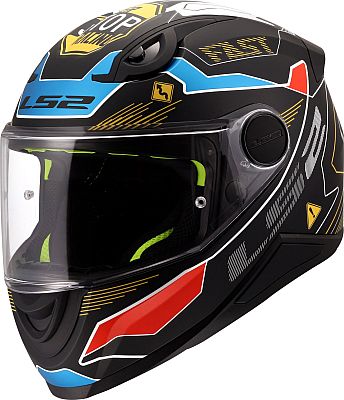


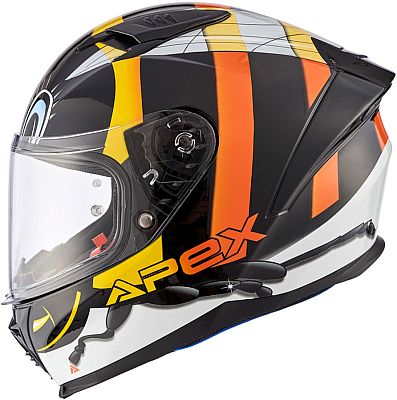


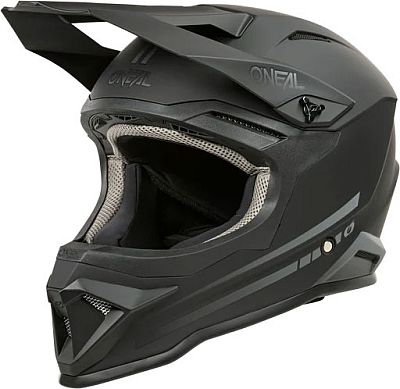


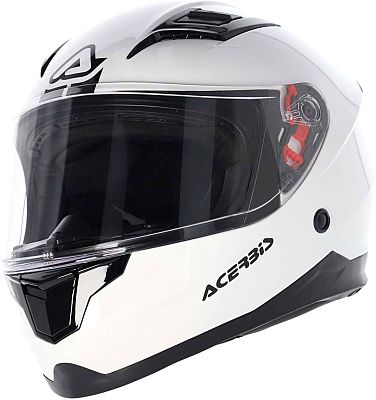


















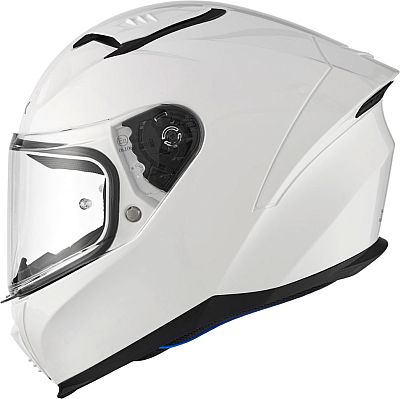


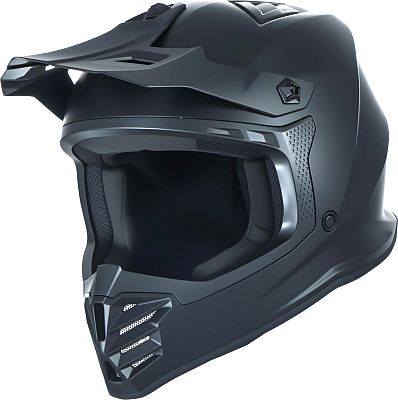


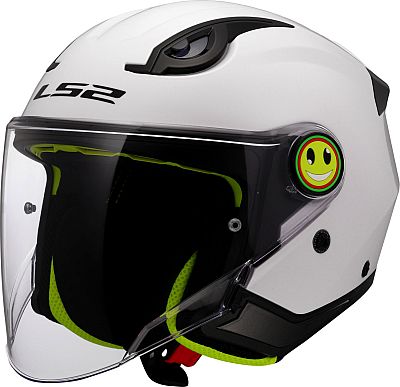


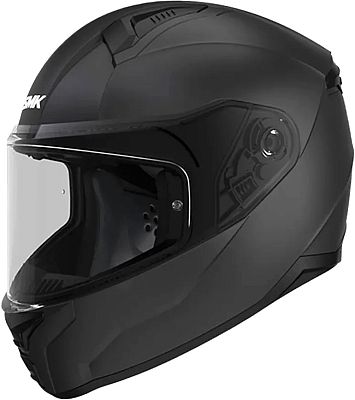



Filter & sort
Sortierung
Children's motorcycle helmets: Uncompromising safety for the youngest bikers
The fascination of motorcycling knows no age limits. Seeing your children's eyes light up when they get to go on a ride with you is an unforgettable experience. But despite all the fun, safety is the top priority and there can be no compromises. As a parent, you are responsible for ensuring the best possible protection for your child. One thing must be crystal clear: a normal bicycle helmet is absolutely taboo and life-threatening on a motorized two-wheeler. Only a motorcycle helmet specially designed for children and ECE-approved offers the protection your child deserves and is required by law.
This guide has been written especially for parents. We take you by the hand and explain everything you need to know about children's helmets: from legal requirements and the different types of helmets to the all-important question of the right fit and weight. So you can make an informed and safe decision.

Legal requirements & safety: What parents need to know
Before choosing a helmet, it is important to be aware of the legal and physical requirements.
Helmet requirements for children in Germany
In Germany, helmets are compulsory (§ 21a StVO) for everyone on a motorcycle, without exception. Age is irrelevant. As soon as a child is riding as a passenger, they must wear a suitable, type-approved helmet.
The ECE standard: the seal for tested safety
Only look for helmets with a valid ECE test mark (e.g., ECE 22-05 or the new, even stricter standard ECE 22-06). This seal guarantees that the helmet has passed standardized safety tests that check, among other things, impact absorption, the strength of the chin strap, and the resistance of the material. All children's motorcycle helmets at motoin meet this standard.
The right age and physical requirements
There is no legal minimum age for children to ride on a motorcycle. However, the decisive criteria are:
- Secure seat: The child must be able to sit safely and independently on the passenger seat.
- Accessibility of the footrests: The child's feet must be able to reach the footrests or restraint systems provided.
- Strong neck muscles: The child's neck muscles must be strong enough to support the additional weight of the helmet without fatigue or risk of injury, even during longer rides and braking maneuvers. If in doubt, you should discuss this with a pediatrician before the first ride.
The right type of helmet for your child: full-face, open-face, or jet?
Different types of helmets are suitable depending on where and how the child is riding. Safety should always be the top priority.
The full-face helmet: maximum protection for the road
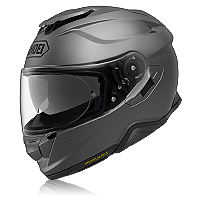
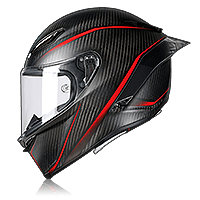
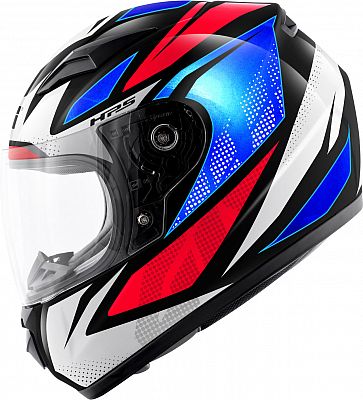
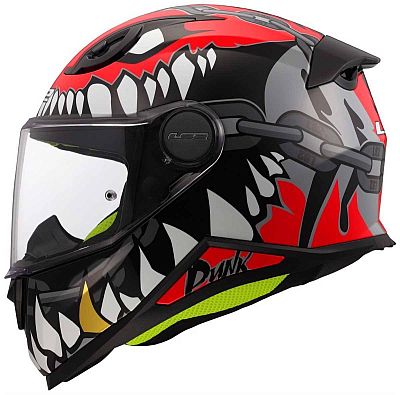
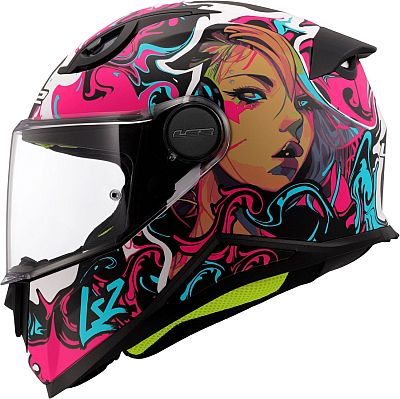
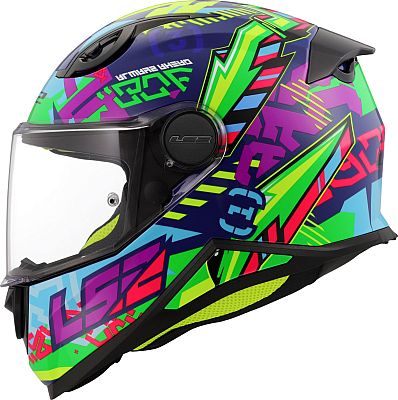
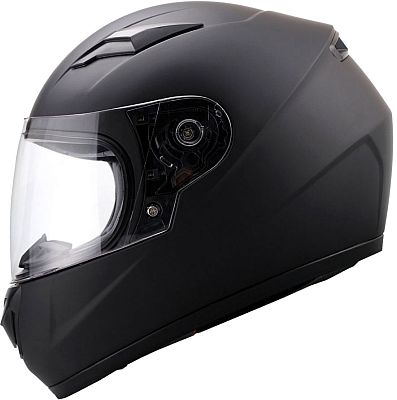
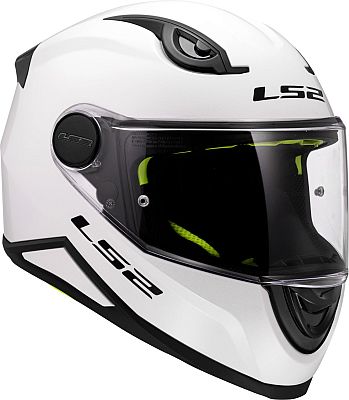
- Description: A full-face helmet is the safest choice for riding as a passenger in traffic. The closed design with a fixed chin section offers the best all-round protection. Modern children's full-face helmets are specially designed for the anatomy and lower weight of children.
- Top recommendation: The Vito Bambino full-face helmet is an excellent example of a safe and child-friendly helmet for the road.
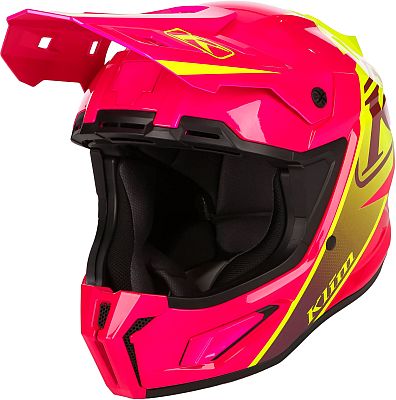
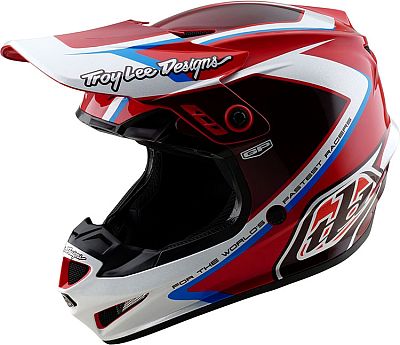
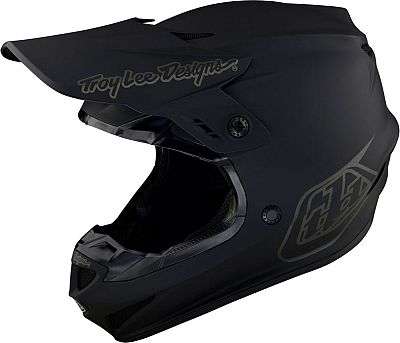
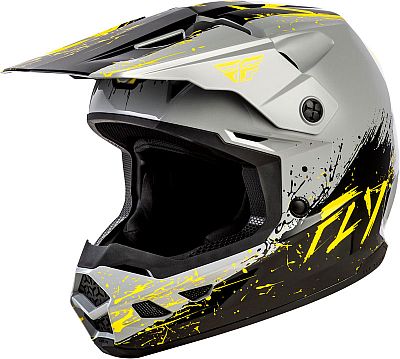
The motocross helmet: For young talents in off-road sports
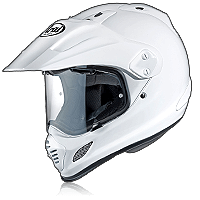
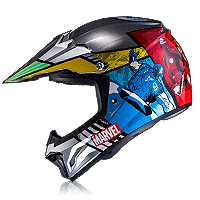
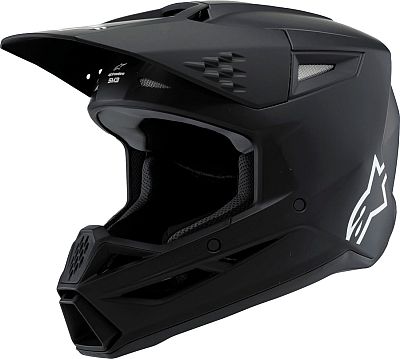
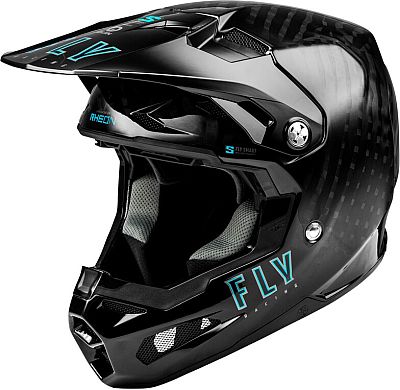
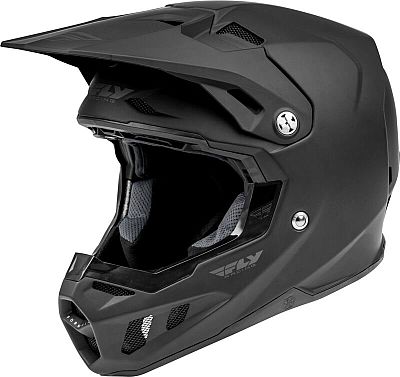
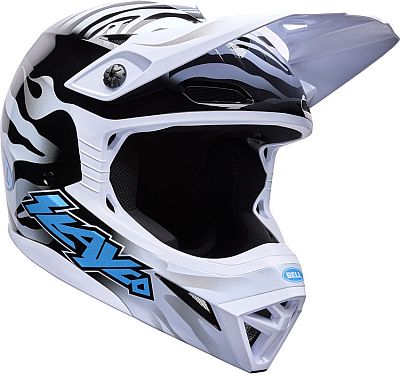
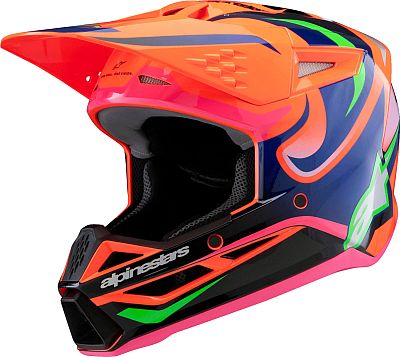
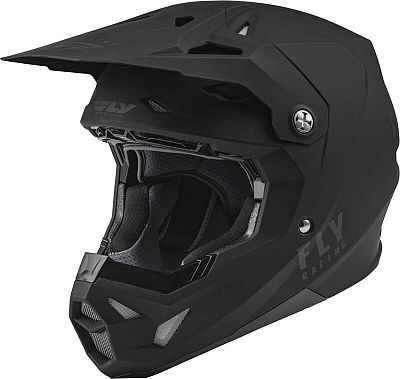
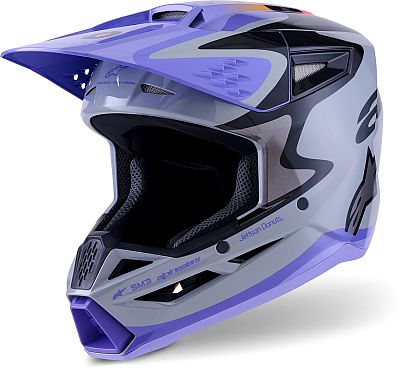
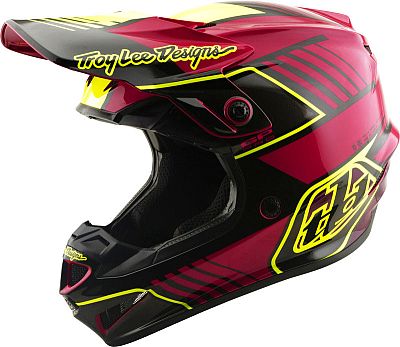
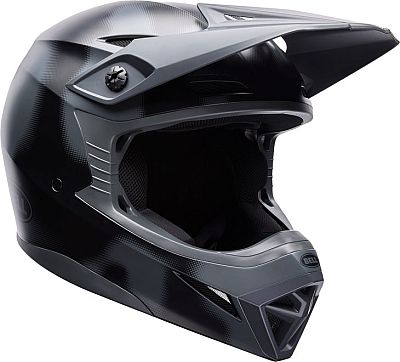
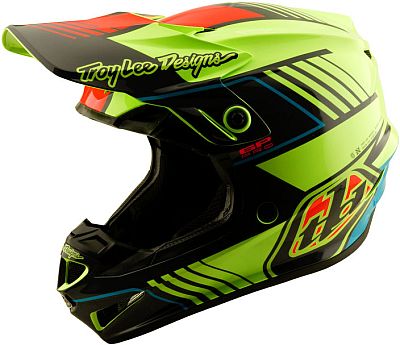
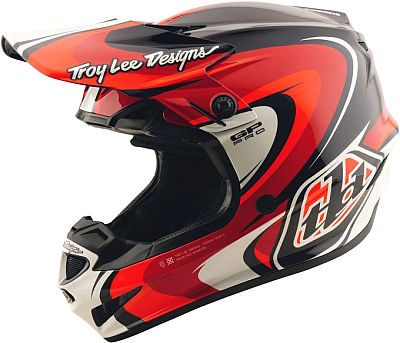
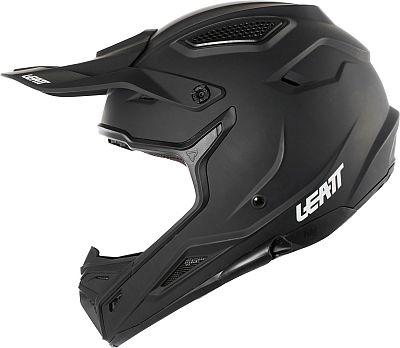
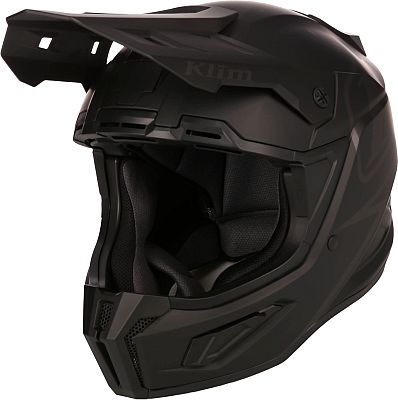
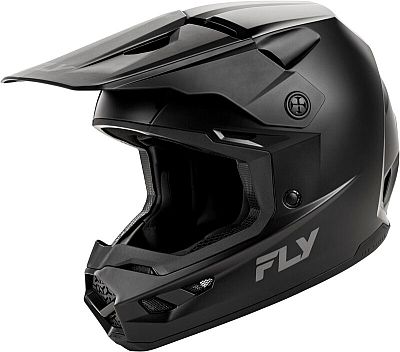
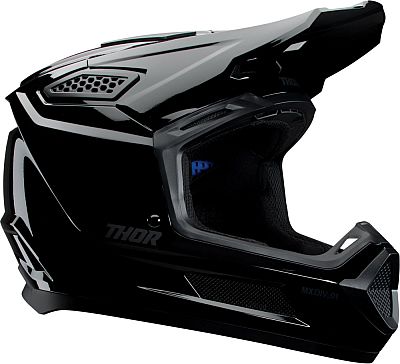
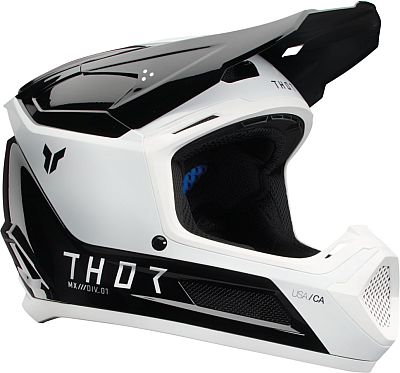
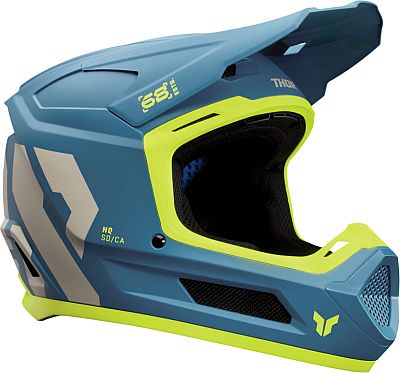
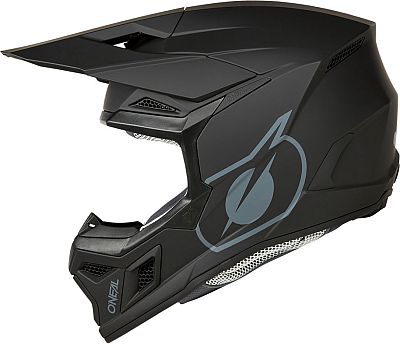
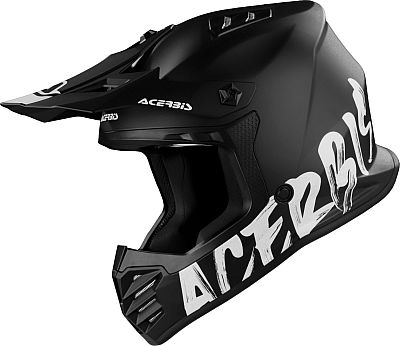
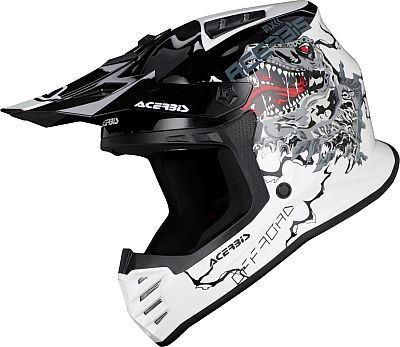
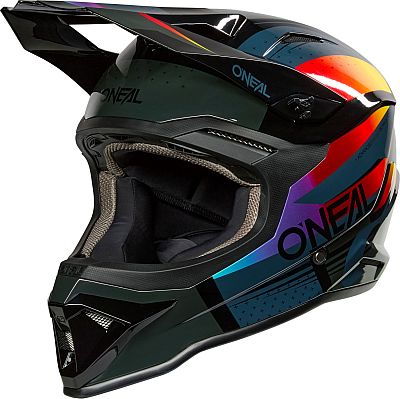
Description: If your child is active – whether it's motocross, BMX or downhill mountain biking – a children's motocross helmet is ideal. It is extremely lightweight, offers maximum ventilation and, in combination with motocross goggles, provides optimum protection and excellent visibility off-road.
Top recommendation:
- Leatt GPX 4.5: Known for its innovative safety technologies to protect against concussions.
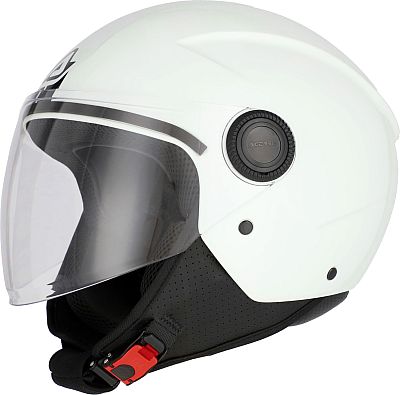
The jet helmet: For short trips on a scooter
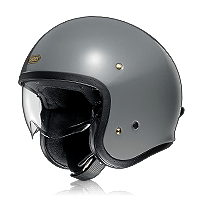
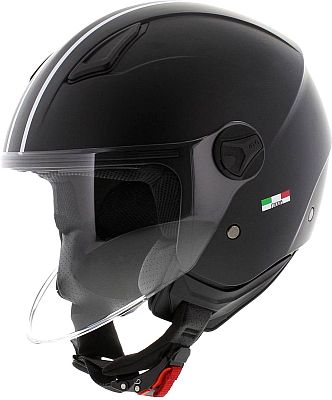
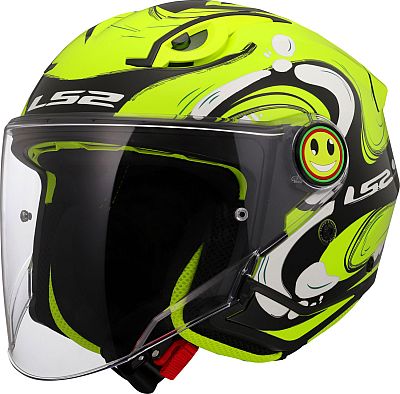
- Description: An open-face helmet can be an option for very short and slow rides on a moped or scooter. It offers an open riding experience and is easy to put on. However, always keep in mind that it does not provide chin protection.
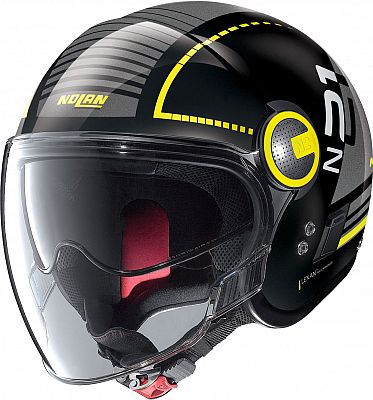
- Top recommendation: The Nolan N21 Visor Runabout is a high-quality children's jet helmet that offers additional protection from wind and insects thanks to its long visor.
Buying advice for children's helmets: What really matters
The selection criteria for children's helmets differ from those for adults. These three points are crucial:
| Criterion | Description | Why is it important for children? |
|---|---|---|
| Low weight | The most important feature of a children's helmet. The neck muscles are still developing and less developed. | A helmet that is too heavy leads to fatigue, discomfort and, in the event of an accident, increases the risk of injury to the cervical spine. The aim should be a weight of well under 1,300 grams. |
| Perfect fit | The helmet must not be bought too large (“they'll grow into it”). It must fit snugly and securely right from the start. | A helmet that is too large can twist or slip off the head in a fall, completely losing its protective effect. A helmet that is too small causes painful pressure points. |
| Easy to use | Features such as an easy-to-use fastener or a scratch-resistant visor are important. | A child-friendly fastener (usually a micro-ratchet) promotes independence and ensures that the helmet is always closed correctly. |
Instructions: Finding the right helmet size for your child
- Measure the head circumference: Take a flexible tape measure and measure the circumference of your child's head at the widest point, approx. 1-2 cm above the eyebrows.
- Check the size chart: Compare the measured value (in cm) with the size chart of the respective helmet manufacturer to determine the correct size (e.g., S, M, L).
- Try it on and check the fit: The helmet must fit snugly without wobbling when your child shakes their head. After a few minutes, ask your child if anything is pressing on them. There should be no pressure points, especially on the forehead and temples.
FAQ: The 10 most important questions parents ask about children's motorcycle helmets
1. At what age can a child ride on a motorcycle?
There is no minimum age required by law. However, a child must be able to sit independently and reach the footrests. The neck muscles must be strong enough to support the weight of the helmet.
2. Is a bicycle helmet allowed on a motorcycle?
No, under no circumstances. It is illegal and extremely dangerous. Only ECE-approved motorcycle helmets are permitted.
3. What is the right helmet size for a child?
The size depends on the head circumference. Measure this and select the appropriate size according to the manufacturer's table. Never buy a helmet “to grow into.”
4. How heavy can a children's helmet be?
As light as possible! A weight between 1,000 and 1,250 grams is a good guideline for children's full-face and motocross helmets.
5. Does my child also have to wear protective clothing?
Although only the helmet is required by law, full protective gear (jacket and pants with protectors, gloves, sturdy boots) is highly recommended for your child's safety.
6. Is there a difference between children's helmets for boys and girls?
No, the fit and safety features are identical. The only difference is usually in the design and color scheme.
7. How often do I need to replace a children's helmet?
Just like adult helmets, we recommend replacing them every 5-7 years. However, as children grow, the fit must be checked regularly (at least once a season) and the helmet replaced sooner if necessary. Immediate replacement is mandatory after every fall.
8. My child wears glasses. Are there special helmets for this?
Yes, look for models that are labeled “glasses-friendly.” These have special recesses in the padding that make wearing glasses comfortable.
9. Which is better for a child: a full-face helmet or a motocross helmet?
For riding on the road, a full-face helmet is the best choice because it offers better protection. For off-road sports, a lighter and better ventilated motocross helmet is the better option.
10. Can I buy a used children's helmet?
This is strongly discouraged. You don't know the history of the helmet. It could have invisible damage from a fall, or the material could already be aged, which would greatly reduce its protective effect.
Conclusion: There are no compromises when it comes to safety
Your child's safety is non-negotiable. Investing in a high-quality, lightweight, and perfectly fitting children's motorcycle helmet is the most important decision you can make for your shared experiences on two wheels. Look for the ECE test standard, low weight, and, above all, the correct size.
Browse our selection of tested children's helmets now and make sure your kids are as safe as possible on every ride.
Table of contents