

































Kidney belts


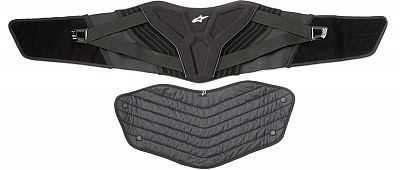


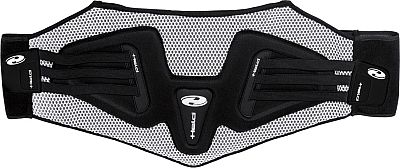


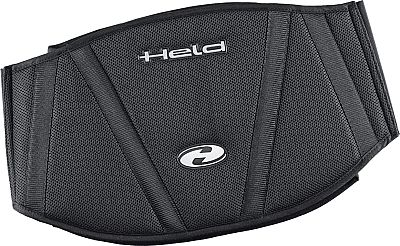


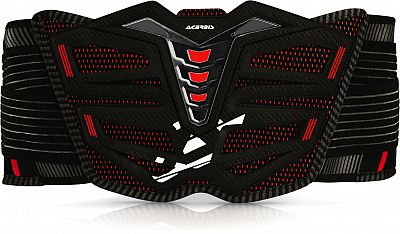



















Filter & sort
Sortierung
Motorcycle kidney belts: your guide to warmth, stability, and comfort
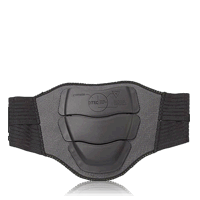
It is one of the most traditional and, at the same time, most misunderstood pieces of equipment in the world of motorcycling: the kidney belt. Many motorcyclists see it as a relic of a bygone era, while experienced touring riders and professionals swear by it. But what does a modern kidney belt actually do? Does it really protect the kidneys from vibrations, or is there much more to it than that? The answer is: yes, there is much more to it than that! A kidney belt is a multifunctional comfort and protection device that fulfills three important tasks: it warms, supports, and protects.
It provides invisible support for your lower back during long rides, acts as a heat shield against the icy wind, and offers an extra layer of protection in the event of a fall. In this ultimate guide, we debunk the old myths, explain the modern biomechanical benefits of a kidney belt, guide you through the different types for each purpose, and help you find the model that will take your riding comfort to a whole new level.

Myth & truth: what a kidney belt really does
To understand the value of a kidney belt, we need to break away from outdated ideas and look at its three modern core functions.
Function 1: The supporting function – your external torso muscles
This is perhaps the most important, but least known benefit. Prolonged sitting on the bike, vibrations, and the need to stabilize the bike when cornering put strain on your core and lower back muscles.
How it works: A kidney belt exerts gentle pressure on your abdominal and lumbar vertebrae. This stabilizes your core, supports your muscles, and promotes a straighter, more ergonomic sitting position.
Your benefit: Fatigue during long rides is noticeably reduced. You stay fit and focused for longer and actively prevent painful back strain. It's like a passive gym for your torso.
Function 2: Heat protection – The barrier against wind chill
Your kidney area has excellent blood circulation and cools down very quickly due to the wind chill effect.
How it works: The kidney belt forms a tight, windproof barrier between your jacket and pants. It prevents cold air from reaching your lower back and sensitive kidney area.
Your advantage: Your muscles stay warm and relaxed, which prevents tension. At the same time, it protects your internal organs from cooling down, which significantly improves your overall well-being during cold rides.
Feature 3: Light impact protection
How it works: Although it does not replace a certified back protector, the thick, often padded material of a kidney belt offers a certain degree of protection against bruises and contusions in the lumbar region and sides in the event of a light fall or spill.
Your advantage: it fills the space between the end of the back protector and the beginning of the hip protectors in the pants, creating an additional, overlapping protection zone.
The myth: protection against vibrations
The widespread assumption that a kidney belt would “protect” the kidneys from engine vibrations is a myth from the days of motorcycles with rigid frames. Your internal organs are well protected against normal vibrations by your torso muscles and your body's own fatty tissue. The real benefits mentioned above are the reason why a kidney belt is so useful today.
The right kidney belt for your application
From simple all-rounders to high-tech off-road belts – find the model that suits you.
The classic all-rounder: for everyday use and touring
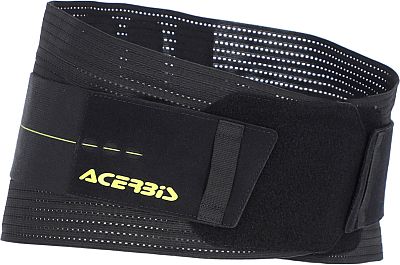
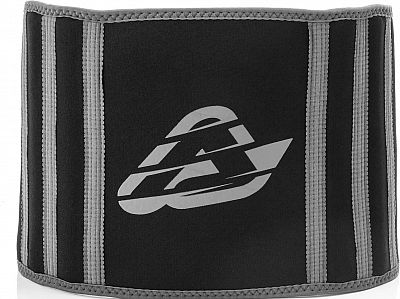
Description: This is the standard kidney belt that most motorcyclists know and appreciate. It is usually made of elastic neoprene or a textile blend, fastens with a wide Velcro closure, and focuses on the core functions of warmth and light support.
Ideal for: touring cyclists, daily commuters, and anyone looking for simple and effective basic protection.
Product example: MT-Gear Snipe kidney belt
It is a perfect example of such a universal and affordable all-round product.
The touring specialist: Comfort for long distances
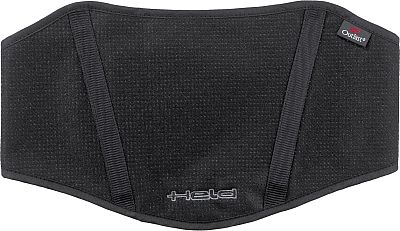
Description: Touring kidney belts are designed for maximum comfort over many hours. They often have a wider, ergonomically contoured cut that adapts perfectly to the anatomy of the back. Advanced, breathable materials are often used here to prevent heat build-up even in warmer temperatures.
Product example: Held Falun II kidney belt
With its breathable mesh material and comfortable fleece lining, it is an ideal companion for long journeys.
The off-road & sports belt: maximum grip during intense movements
Description: In motocross and enduro, the lower back is subjected to enormous strain due to jumps and hard impacts. Sports kidney belts therefore offer the strongest support. They are often equipped with an additional adjustable strap to tighten the belt even further. and hard impacts. Sports kidney belts therefore offer the strongest support. They are often equipped with additional stabilizing bars and a double belt system to ensure an absolutely secure and firm fit.
The high-tech protective belt: protection and support in one
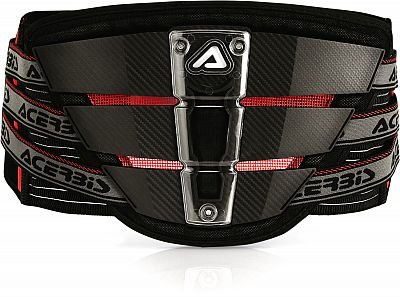
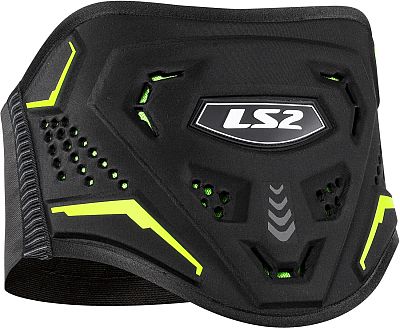
Description: Some models go one step further and integrate certified protective elements directly into the belt. They are the perfect solution for motorcyclists who want to close the gap between a short back protector and their pants.
Product examples: Held Tri-Tec kidney belt
It has an integrated, flexible SAS-TEC® shin protector, protecting a particularly sensitive area.
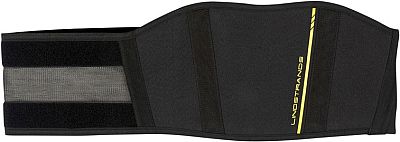
Product example: Lindstrands Stalon kidney belt
It can be equipped with an optional Level 1 back protector, making it an extremely versatile and safe solution.
FAQ: Frequently asked questions about kidney belts for motorcyclists
1. Is a kidney belt useful when riding a motorcycle?
Yes, absolutely. Not only is it useful, it is even highly recommended. It protects against cooling, supports the core muscles, prevents fatigue and thus increases comfort and safety on every ride.
2. How do you wear a kidney belt correctly?
The belt should be worn around the waist so that it covers the area between the lower ribs and the upper pelvic bone. It should be tight enough to fulfill its supportive function, but should not restrict breathing.
3. Do you wear the kidney belt over or under your jacket?
Almost always under the jacket. It is worn as the last layer over the sweater or shirt before zipping up the motorcycle jacket. This ensures the best warmth and support.
4. Does a kidney belt really protect the kidneys?
It protects the kidney area from cooling down due to the wind. This is its primary “kidney protection function.” However, it offers only very limited protection against the mechanical forces of a heavy fall.
5. Do I also need a kidney belt in the summer?
Yes, even in summer, the supportive function for the back during long rides is very beneficial. Choose a model made of light, breathable mesh material instead of a thick neoprene belt.
6. Does a kidney belt replace a back protector?
No, absolutely not! A kidney belt offers only minimal protection against shocks. A certified back protector that can be fastened or placed inside your jacket is essential for protecting your spine.
7. How do I find the right size?
The size depends on your waist size. Measure your waist at the level of your navel and compare the measurement with the manufacturer's size chart. Thanks to the wide Velcro fastening, most belts have a wide range of adjustment.
8. My back protector is very long. Do I still need a kidney belt?
Yes, because their functions only partially overlap. The back protector provides protection against shocks, while the kidney belt supports the torso muscles and protects against sideways drafts, which the protector does not cover.
9. Are there special kidney belts for women?
Yes, some manufacturers offer models with a special women's fit, which is adapted to the female anatomy and thus offers a better fit without pressure points in the hip area.
10. How do I wash my kidney belt?
Most models can be washed by hand with a mild detergent. First close the Velcro fastener so that it does not damage other items of clothing. Always follow the manufacturer's care instructions.
Conclusion: the little powerhouse for your back
Don't think of the kidney belt as an old-fashioned relic, but as what it is today: an intelligent, multifunctional aid that noticeably improves your comfort and endurance on the motorcycle. It's a small, inexpensive investment that makes a huge difference to your well-being on long trips and on cold days. Once you've experienced the difference, you'll never want to ride without one again.
Support your back, protect yourself from the cold, and ride longer and more comfortably.
Table of contents