






























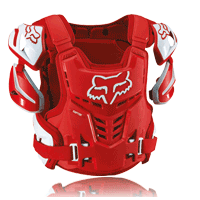
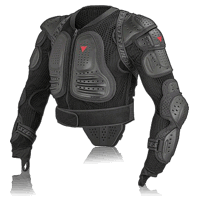
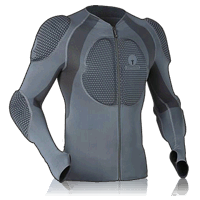
Back / Chest protectors






























Filter & sort
Sortierung
Back and chest protectors: your guide to protecting your spine and organs
When we talk about motorcycle safety, most people think of the helmet first. But then comes the protective zone that determines everything: your torso. This is where your vital organs and central nervous system are located: the spine. A collision in this area can have very serious consequences. That's why investing in high-quality back and chest protectors is not an option, but an absolute necessity for every responsible motorcyclist. It's the invisible protection that can make the difference between a scare and a life-changing event.
Many jackets come with only a simple foam padding that offers no protection whatsoever. Replacing this is the simplest and most important safety upgrade you can make. In this ultimate guide, we explain everything you need to know: We explain the difference between insert protectors and protectors with straps, explain the most important protection levels, and introduce you to the best technologies and products so that you feel safe on every ride.
PART 1: The back protector – your protective shield for the spine
 Why a certified back protector is essential
Your spine is a masterpiece of nature, but it is also extremely vulnerable. A direct blow or extreme strain during a fall can have disastrous consequences. A certified back protector is designed to prevent exactly that.
The anatomy of risk
Protection against impact and penetration
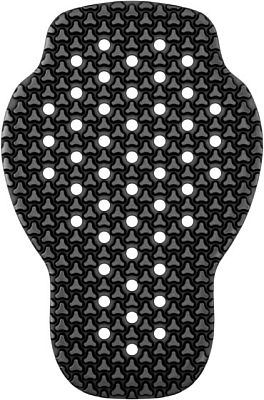
The most important task of a back protector is to distribute the point load of an impact (e.g., against a curb, a stone, or another vehicle component) over as large an area as possible. This significantly reduces the pressure on a single vertebra. At the same time, the protective material itself absorbs a large part of the energy. High-quality protectors also offer a certain degree of protection against the penetration of sharp objects.
The foam rubber placeholder
A dangerous illusion
Please note: the thin foam rubber found in many new jackets is not a protector! It only serves as a placeholder to maintain the shape of the jacket. It has no certified protective function and must be replaced immediately with a genuine protector tested in accordance with EN 1621-2.
The two systems: retrofit or convert?
The most fundamental choice is between an insert protector and a separate model that can be converted.
| System type | Description & operation | Advantages | Disadvantages |
|---|---|---|---|
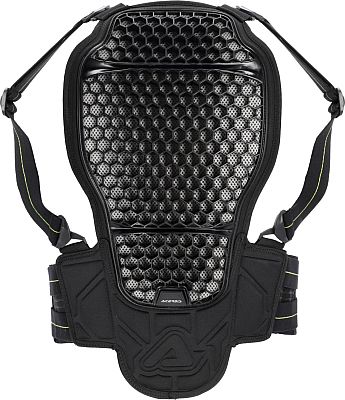
| The insertable back protector | Inserted into the designated pocket in the back of the motorcycle jacket. | Invisible and comfortable: “Set and forget.” Once in place, it stays in place. High wearing comfort, as there are no additional straps to get in the way. | The fit depends on the jacket: If the jacket is too loose, the protector may shift and lose its position in the event of a fall. |
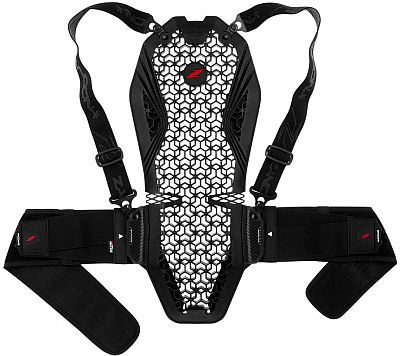
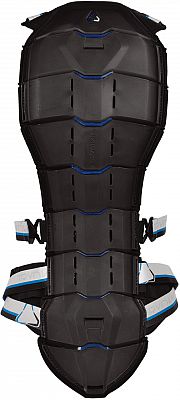
| The back protector with strap | Worn directly on the body with a hip strap and shoulder straps, independently of the jacket. | Perfect fit: the protector always sits exactly in the right place, regardless of which jacket is worn over it. Often larger protective surface. | Disadvantages: must be put on separately for each ride. May be noticeable under tight jackets. |
Our top recommendations for insertable back protectors
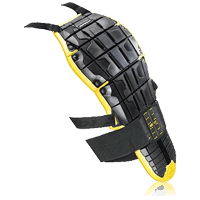
The high-tech retrofit: Held Exosafe D3O back protector
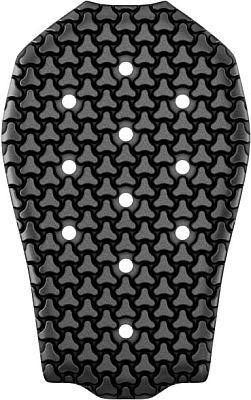
This protector is a masterpiece of material technology. It combines a hard outer shell for energy distribution with intelligent, flexible D3O® technology, which hardens on impact. It is certified to the highest protection level 2 and offers excellent wearing comfort thanks to its intelligent ventilation.
Our top recommendations for back protectors with straps
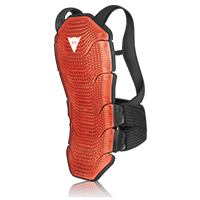
The ventilated classic: Dainese Wave D1 Air
The Wave from Dainese is an icon. The wave-shaped hard shell construction offers excellent protection and unparalleled ventilation, making it extremely comfortable to wear, especially on hot days. The adjustable kidney belt ensures a good fit.
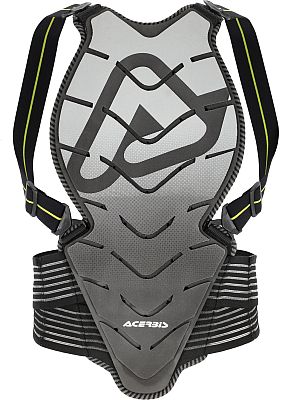
The comfortable all-rounder: Acerbis Comfort 2.0
This protector lives up to its name. It is lightweight, extremely well ventilated and, thanks to its ergonomic shape, offers a high level of comfort, even on long rides. An excellent choice for motorcyclists looking for inconspicuous but safe protection.
Purchasing advice for back protectors: size and protection level
Finding the right size and length (CB vs. FB)
The fit is crucial. A protector that is too short leaves important areas unprotected. The EN 1621-2 standard makes a distinction here:
FB (Full Back): Protects the entire length of the spine, including the shoulder blades and the lumbar region.
CB (Central Back): Protects the central part of the spine. To determine the correct length, measure the distance from your waist to your shoulder. Manufacturers indicate in their size charts which protection size (S, M, L) corresponds to which back length.
Protection level 2 as a clear goal for your back
We cannot emphasize it enough: your spine is irreplaceable. The safety gain of level 2 is enormous, as these protectors absorb almost twice as much energy. The additional cost and slightly higher weight are one of the best investments you can make in your safety.
PART 2: The chest protector – the often forgotten lifesaver
Why chest protection is so important
While a fall on the asphalt puts your back at risk, there is another danger from the front: colliding with your own motorcycle.
The risk of a head-on collision
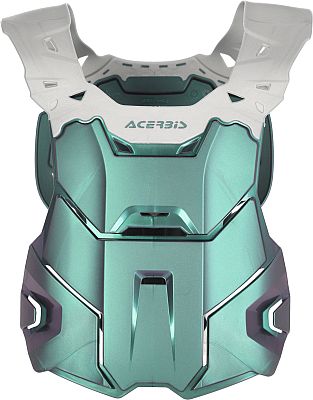
In a head-on collision or a sudden braking maneuver followed by a fall, the rider's upper body can hit the tank or handlebars. This can cause serious injury to the sternum, ribs, and organs behind them, such as the heart and lungs. A chest protector is designed to absorb and distribute precisely this type of blunt force.
A small upgrade with a big impact
A retrofittable chest protector is often a small and relatively inexpensive investment that can make all the difference in an emergency. It is an indispensable part of a 360° protection zone around your torso.
Our top recommendations for protecting your chest
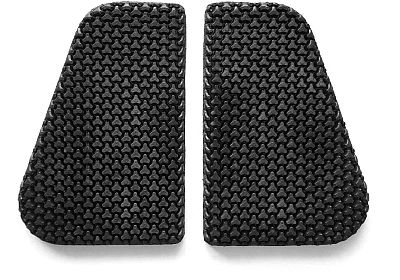
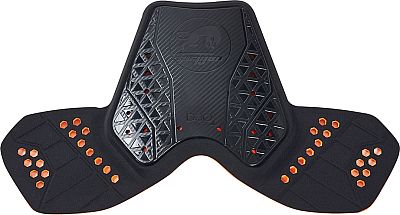
Chest protectors are usually designed as two-piece sets that slide into the inner pockets of motorcycle jackets.
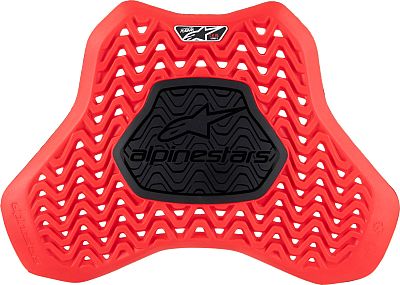
High-tech protection: Alpinestars Nucleon Flex Pro Ci
This protector shows just how comfortable modern protection can be. The extremely flexible and well-ventilated honeycomb structure adapts perfectly to the body and is barely noticeable. Yet it offers certified protection according to the highest level 2. The perfect choice for sporty riders and anyone who doesn't want to compromise.
The flexible all-rounder: Knox Micro-Lock chest protector
The Micro-Lock from Knox uses the same intelligent material technology as D3O®. In its normal state, it is soft and flexible, but in the event of an impact, it hardens. It offers solid Level 1 protection and excellent wearing comfort at an attractive price.
FAQ: Frequently asked questions about back and chest protectors
1. Is a back protector mandatory?
No, it is not legally required in Germany. However, together with a helmet, it is the most important part of your protective gear.
2. Buckle-on or insert back protector – which is better?
Strapped-on protectors offer a better fit and often a larger protective surface. Insert protectors are more comfortable and practical for everyday use. If your jacket fits perfectly, an insert protector is a very good choice. For loose-fitting clothing, a strapped-on protector is safer.
3. What size do I need for a back protector?
The size depends on your back length (waist to shoulder), not your clothing size. Measure this length and compare it with the manufacturer's size chart.
4. What is the difference between level 1 and level 2?
Level 2 absorbs almost twice as much impact energy as level 1 and therefore offers a significantly higher level of safety.
5. How does a chest protector fit properly?
It should cover as much of your sternum and ribs as possible without restricting your freedom of movement.
6. Can I put any back protector in any jacket?
No, the protective pockets of different manufacturers come in different shapes and sizes. It is safest to buy a protector from the same brand as the jacket or to measure the pocket carefully.
7. Do I need to replace my protector after a fall?
Yes, absolutely. Even if there is no visible damage, the internal energy-absorbing structure may be damaged.
8. How do I maintain my protector?
Most protectors can be cleaned with a damp cloth. Do not use aggressive solvents. Protectors with fabric can often be washed by hand (follow the manufacturer's instructions!).
9. Do you wear protection with straps over or under your clothing?
Always wear it directly on your body, i.e., under your jacket. Usually over a thin functional shirt.
10. Is chest protection really worth it?
Yes. It is an inexpensive and simple way to significantly increase passive safety and protects vital organs in a head-on collision.
Conclusion: your 360° safety zone for peace of mind
Your safety on the motorcycle is the basis for carefree riding pleasure. A high-quality, certified back protector – ideally level 2 – and a retrofitted chest protector are not luxury items, but the smartest investment in your health. They form a 360° protection zone around your torso and give you the assurance that you are as well protected as possible.
Take your safety into your own hands. Check out our range of top-notch protectors now and take your gear to the next level.
Table of contents