































Balaclava









































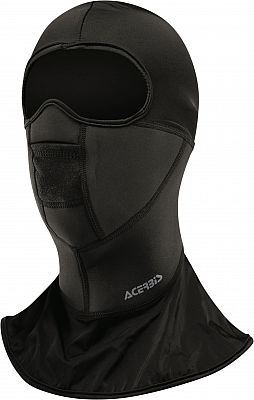

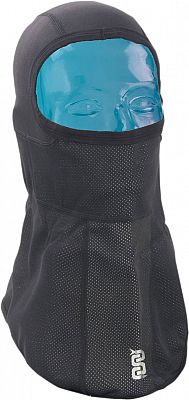


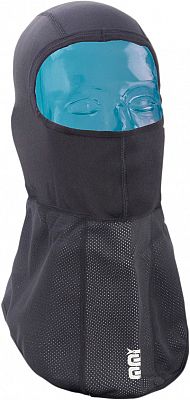


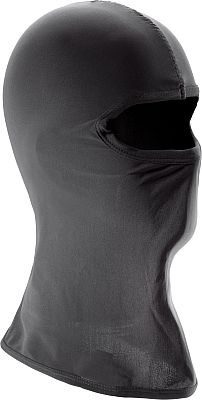














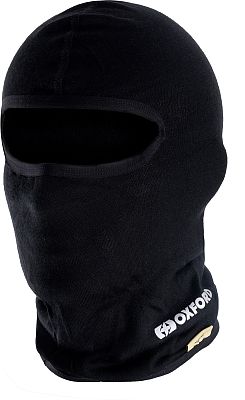


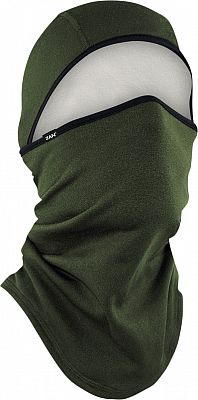


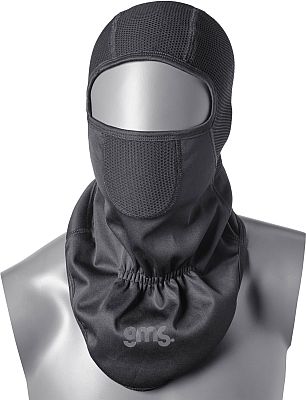


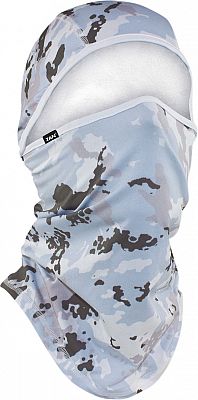















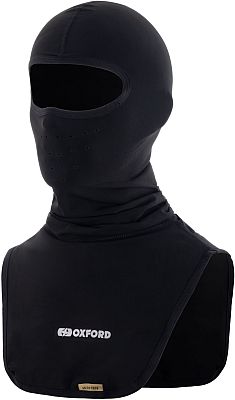


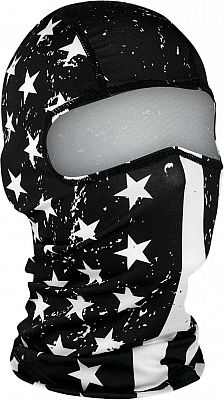


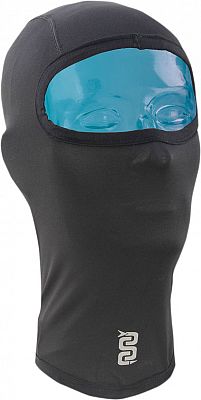


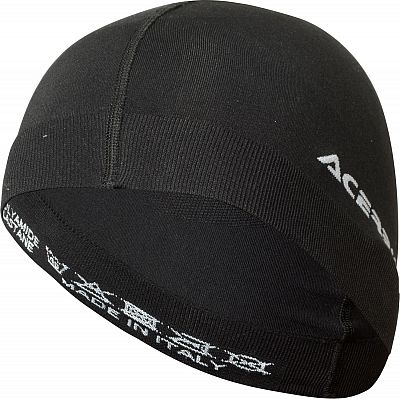



























Filter & sort
Sortierung
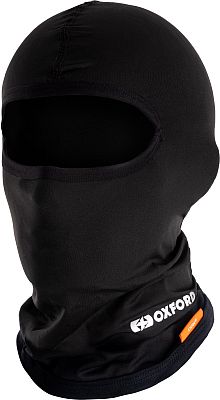
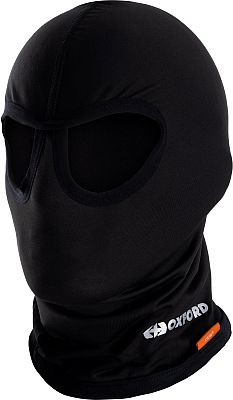
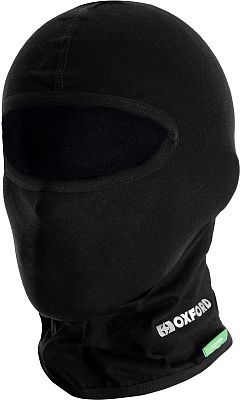
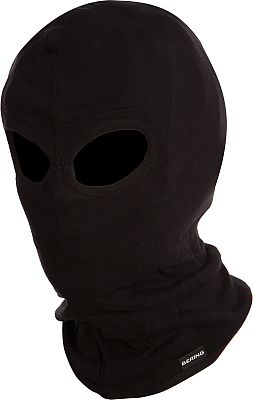
Motorcycle balaclavas: your ultimate guide to protection and comfort under your helmet
You've invested in a high-quality helmet that fits perfectly and ventilates well. You wear a jacket that protects you from wind and weather. But do you still feel that icy airflow on your neck, which spoils the pleasure of riding after a few kilometers? Or does your helmet lining feel uncomfortably damp after a warm summer ride? The solution to all these problems is a single, often underestimated, but ingenious and effective piece of clothing: the balaclava.
It is much more than just a piece of fabric. It is your personal air conditioning, your protection against the wind, and the hygienic barrier between you and your helmet. It is the key to greater comfort, greater concentration, and ultimately greater safety on every ride. In this ultimate guide, we take you into the world of functional balaclavas. We explain why it is indispensable for every serious motorcyclist, unravel the differences between the materials, from silk to Windstopper®, and help you find exactly the model that will make your equipment perfect for every season.
What are the advantages of a balaclava when riding a motorcycle? The 3 most important advantages
A balaclava is one of the smartest upgrades for your gear. It solves three typical motorcycle problems at once.
1. The battle against wind chill: your protection against cold and drafts
This is the most important task, especially on cold days. The wind that blows through the smallest gap between the helmet and the collar of the jacket leads to extreme local cooling in the neck and throat. This inevitably leads to painful and dangerous muscle tension. A storm hood seals this opening hermetically.
Windproof models: block the icy wind 100% and thus prevent the dreaded wind chill effect.
Insulating models: create a warm air cushion around your head and neck, thus retaining body heat.
2. Climate control: dry head, cool head
Your head is one of the parts of your body that perspires the most. This sweat normally ends up directly in the expensive lining of your helmet.
Moisture wicking: A functional balaclava absorbs sweat from your skin and hair and actively wicks it away. Your skin stays drier, which keeps you cool in summer and prevents you from cooling down due to evaporative cooling in winter.
Hygiene: The washable balaclava protects the lining of your helmet. Instead of laboriously cleaning your helmet, you can simply wash the balaclava. This extends the life of your helmet and ensures a permanently fresh feeling.
3. Comfort: easier to put on, easier to take off
Every cyclist knows the problem: putting on and taking off a tight helmet can pull your hair and deform your ears. A balaclava made of a smooth material such as silk or synthetic material acts as a perfect sliding layer. The helmet glides effortlessly over your head without pulling or ruining your hairstyle.
The right balaclava for every season: your material guide
Choosing the right material is crucial. There is no such thing as the perfect balaclava, only the perfect balaclava for a specific purpose.
For summer & the transitional season: focus on cooling & hygiene
Silk: the luxurious climate regulator
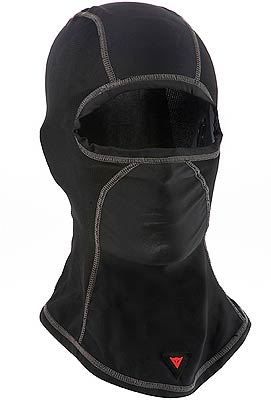
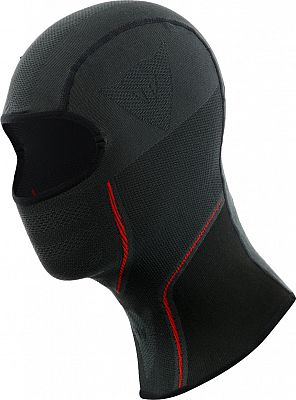
Silk is a natural fiber with impressive properties. It is extremely thin, light, and feels incredibly pleasant on the skin. It can absorb a lot of moisture without feeling wet and has a cooling effect in warm weather. At the same time, it provides light insulation when it gets a little cooler in the evening.
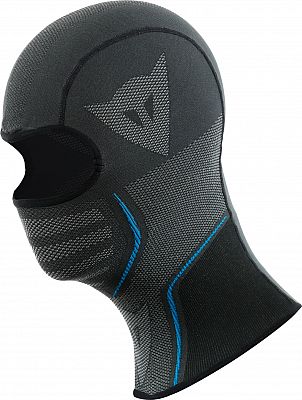
Product example: Dainese silk balaclava
It is the perfect, barely noticeable companion for warm days, significantly increasing comfort under the helmet.
Thin synthetic fibers: the masters of sweat wicking
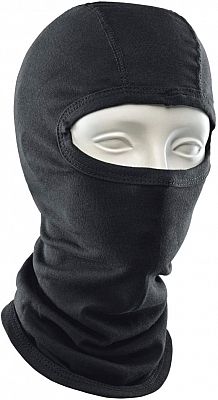
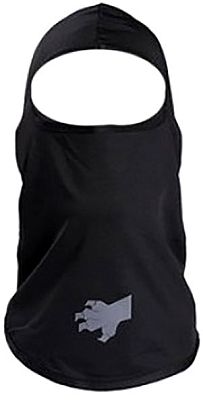
Balaclavas made of thin polyester or polyamide are designed for maximum moisture wicking. They are extremely breathable and dry very quickly. Ideal for sporty cyclists who perspire a lot in high temperatures
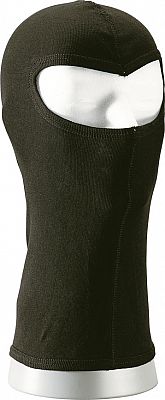
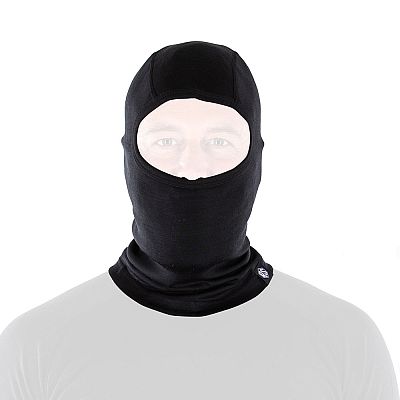
Product example: Buese 173290 Sturmhaube
It is a classic, functional all-rounder made of synthetic fibers that should be part of every outfit.
For winter and cold days: focus on insulation and wind protection
Fleece: cozy warmth retention
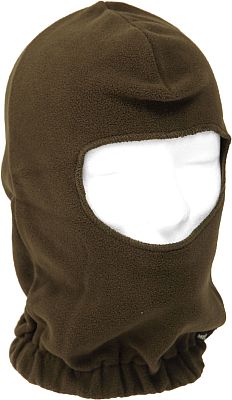
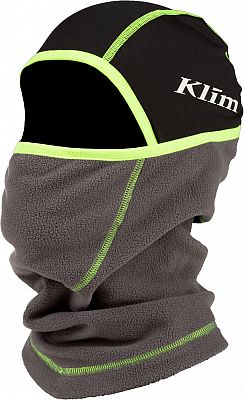
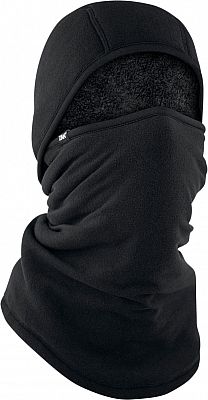
Fleece is the classic choice when it comes to pure insulation. The material is extremely soft, light, and, thanks to its brushed structure, can retain a lot of warm air. A pure fleece balaclava is perfect for rides in dry, cold conditions.
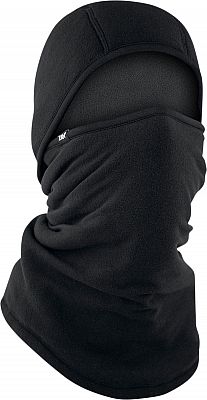
Product example: Mil-Tec fleece balaclava
It is a simple but extremely effective source of warmth for the coldest days of the year.
Windstopper® & windproof membranes: the impenetrable fortress
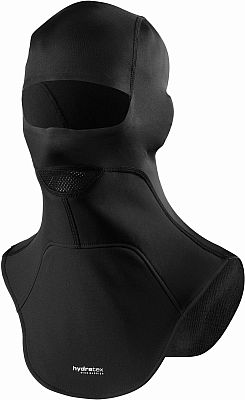
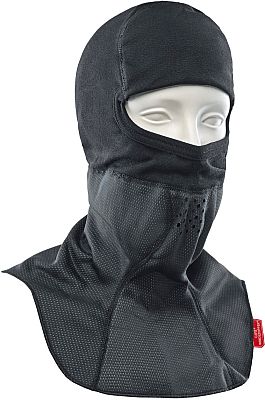
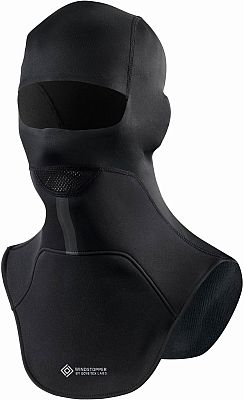
This is the high-tech solution for the uncompromising cyclist who cycles all year round. These storm hoods combine a warming inner layer (often made of fleece) with an absolutely windproof membrane (e.g., Gore-Tex Windstopper®) at the front, neck, and chest. They block the icy wind 100% and are the most effective weapon against cooling down.
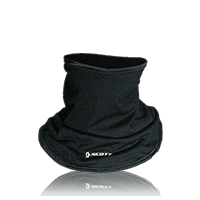
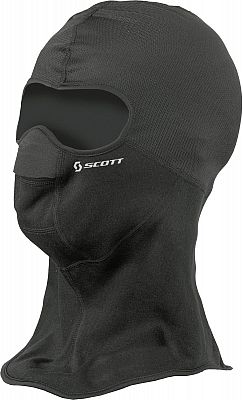
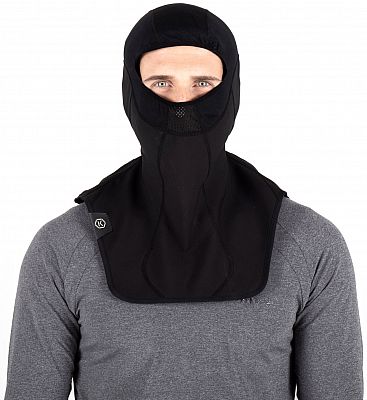
Product examples Scott Wind Warrior balaclava
It is a legend among winter cyclists. The long chest flap made of Windstopper® material prevents any form of draft.
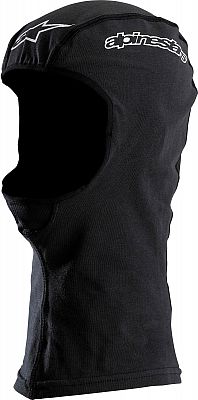
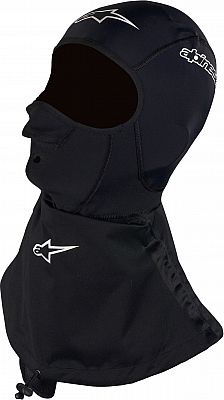
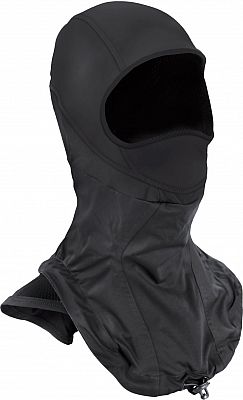
Product example: Alpinestars Touring Winter Balaclava
It is specially designed for the needs of touring riders and offers a perfect balance between thermal insulation, wind protection, and moisture regulation.
FAQ: Frequently asked questions about motorcycle balaclavas
1. Are balaclavas prohibited when riding a motorcycle?
No. The ban on face coverings in Germany applies to gatherings. In traffic, a balaclava worn under a helmet as protection against cold or bad weather is expressly permitted and sensible. It is important that the area around the eyes remains free and recognizable.
2. What do you wear under a balaclava?
Usually nothing. The balaclava is the first layer (“baselayer”) directly on the skin and hair.
3. Which balaclava for winter?
The best choice for winter is a model with a windproof membrane (e.g., Windstopper®) at the front and a warm fleece lining.
4. Which balaclava for summer?
In summer, a thin balaclava made of silk or moisture-wicking synthetic fiber is ideal. It cools, keeps the head dry, and protects the helmet lining.
5. Does a balaclava help prevent the visor from fogging up?
Yes, it can help. By channeling warm, moist breath and preventing it from rising directly into the helmet, fogging can be reduced. Many winter models have an extra nose cutout or a neoprene mouth section for this purpose.
6. How should a balaclava fit?
It should fit snugly like a second skin, but not pinch or press. The elastic material usually ensures a universal fit.
7. Are there special balaclavas for people who wear glasses?
Some models are cut in such a way that they make it easier to wear glasses. In general, with very thick winter balaclavas, it is advisable to put on your glasses after you have put on your helmet.
8. How do you wash a balaclava?
Most models are machine washable on a delicate cycle at 30°C or 40°C. Always use a functional detergent and never use fabric softener, as this will destroy the breathable properties.
9. What is the difference between a multifunctional scarf?
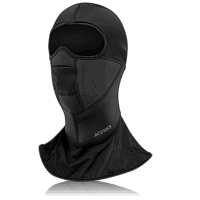
A multifunctional scarf is a versatile tube that can also be worn as a neckerchief, etc. A balaclava is a sturdy, sewn hat that is specially designed to provide full protection for the head and neck under a helmet and offers a better, more defined fit.
10. Why do some balaclavas have a long chest flap?
The long flap, as on the Scott Wind Warrior, tucks into the jacket and perfectly seals the transition between the helmet and the jacket collar. It is the most effective method of preventing drafts around the upper body.
Conclusion: the small accessory with the greatest comfort effect
A balaclava is one of the smallest, cheapest, but at the same time most effective investments in your riding comfort and safety. It makes the difference between an unpleasant, cold ride and a relaxed trip where you can concentrate fully on the road. It extends your season in fall and spring and even makes summer rides more bearable. It is the unsung hero of your equipment.
Equip yourself with the right second skin and experience how much more comfortable motorcycling can be.
Table of contents