





























Helmet configurator
Helmet configurator
In 5 steps to the perfect helmet
Choose the helmet type:
Visor features:
Comfort features:
Sizes:
Availability:
Your selection:
Based on your selection we recommend the following helmets:
Integral helmets


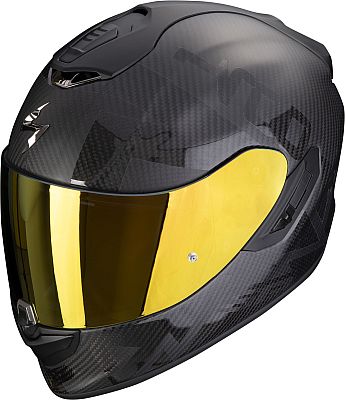


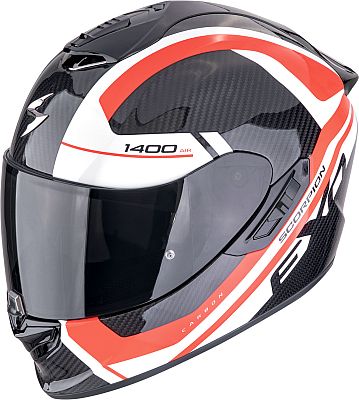


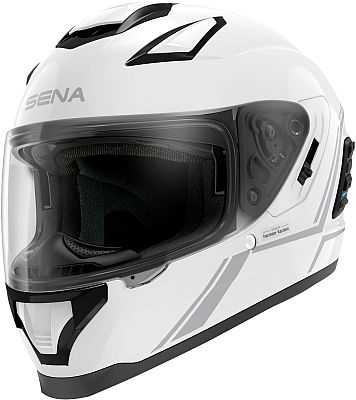


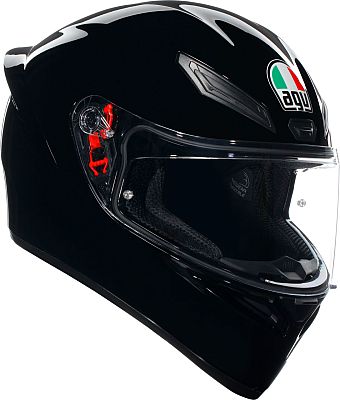


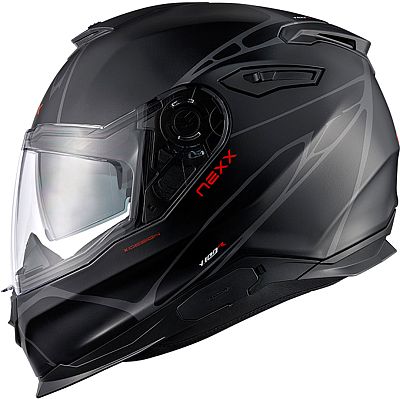


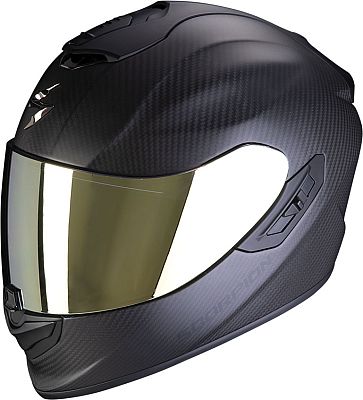


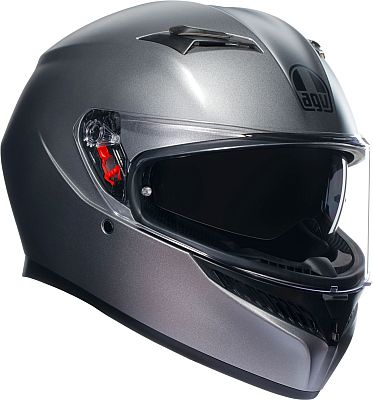


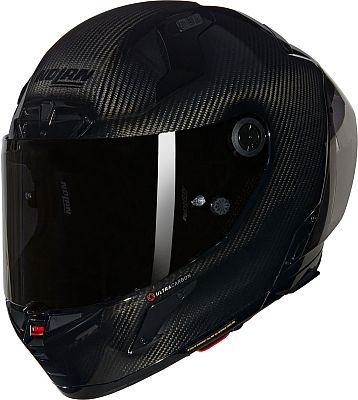


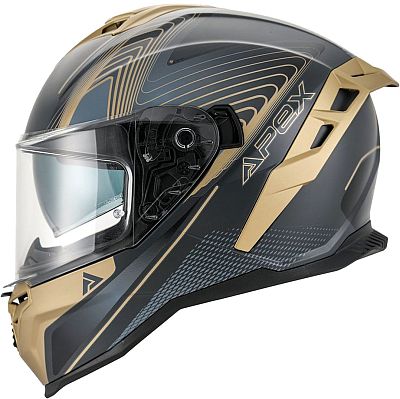


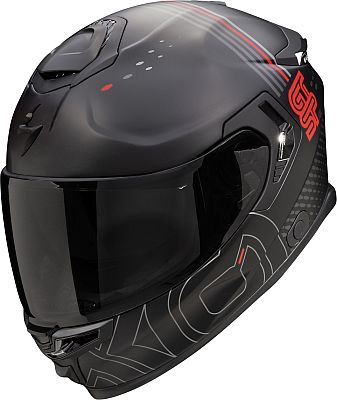


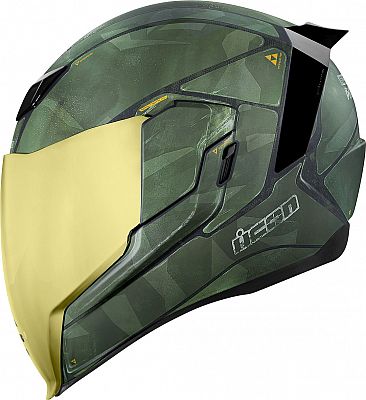


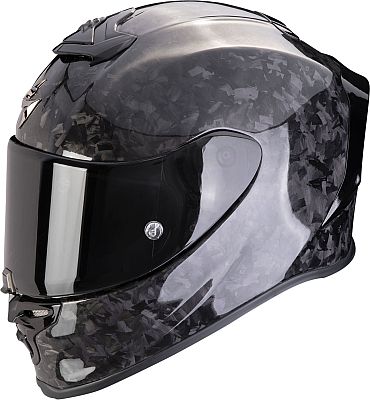


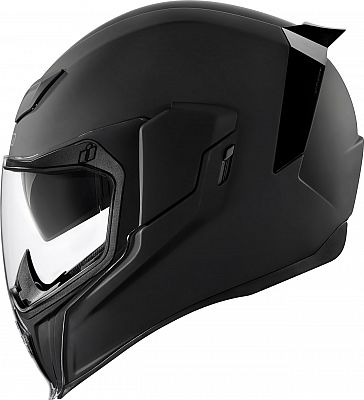


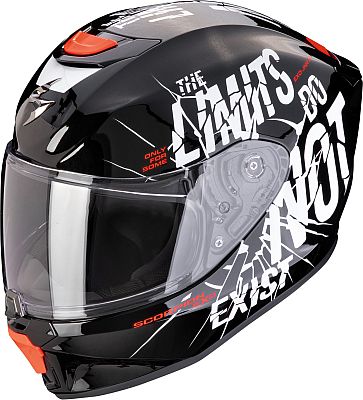


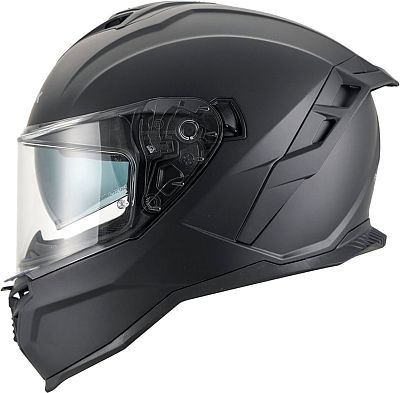


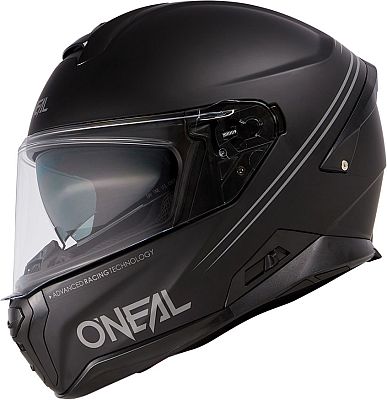


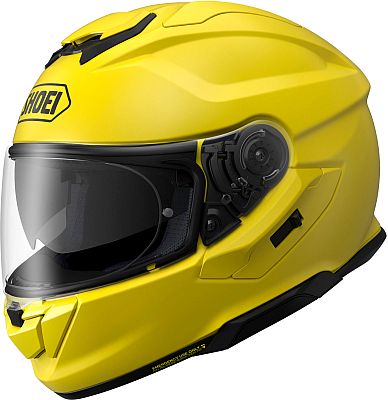


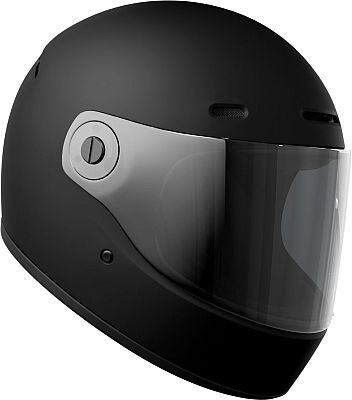


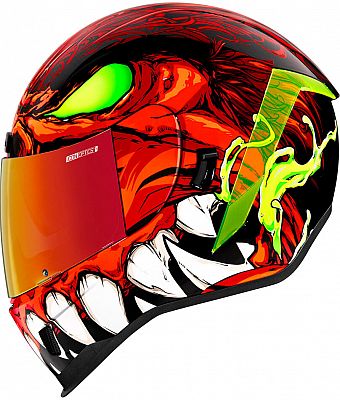


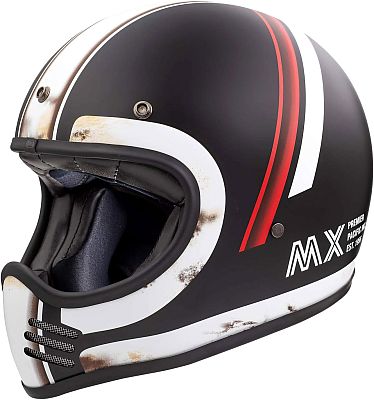


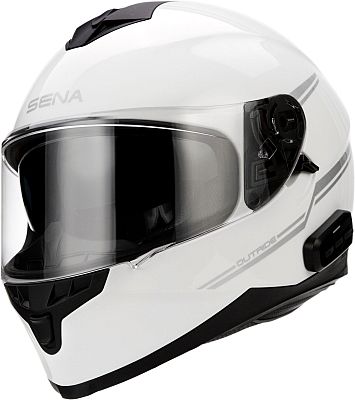


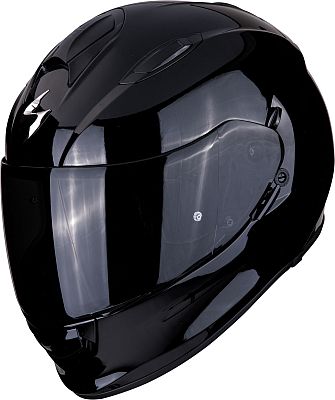


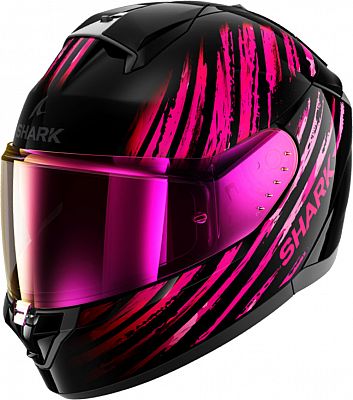


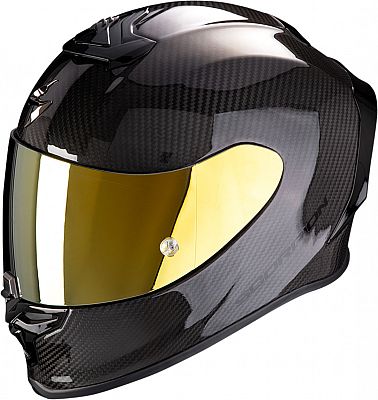










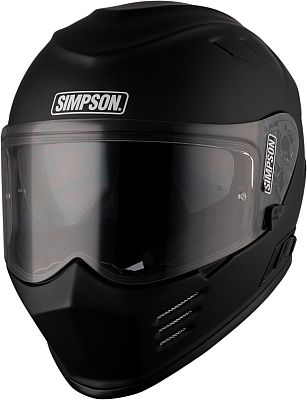


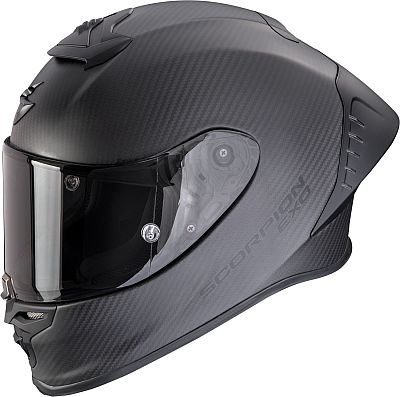


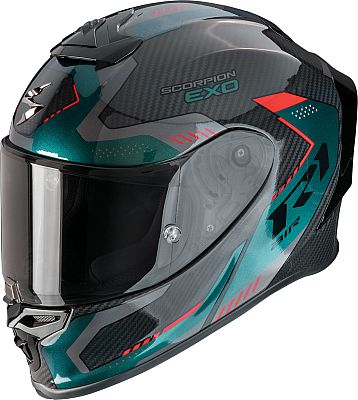


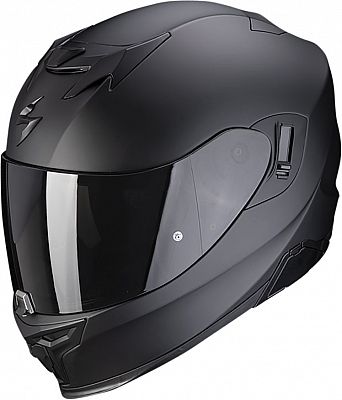


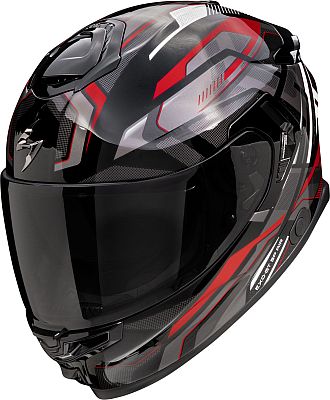


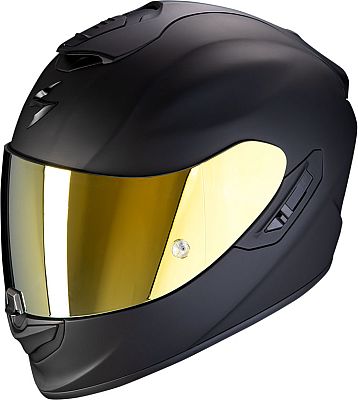


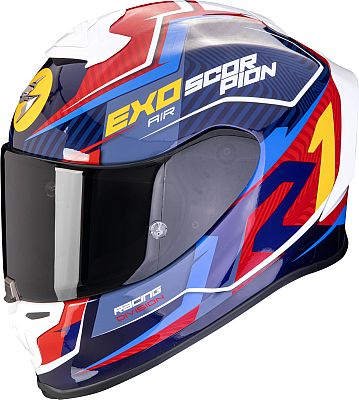


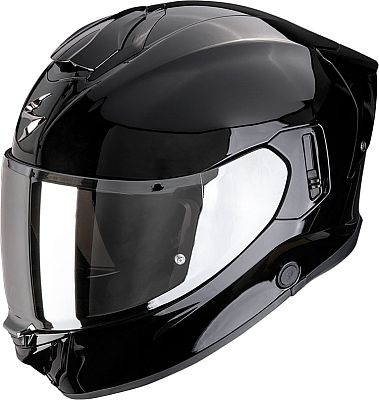


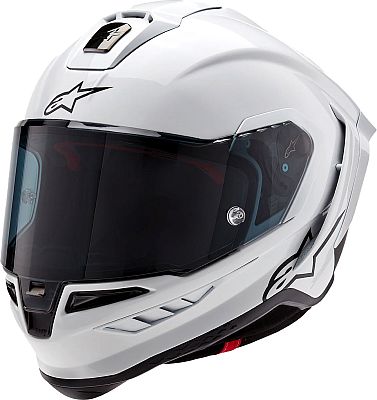


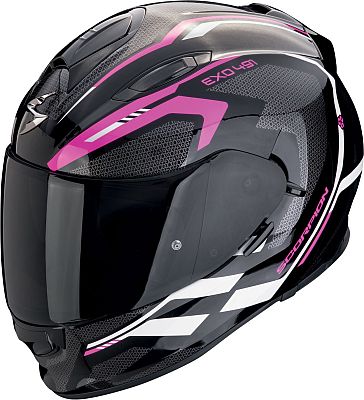




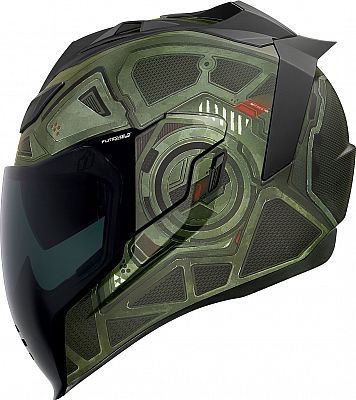


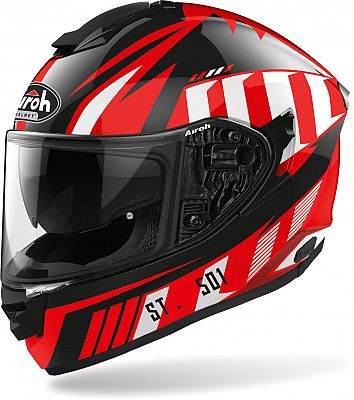


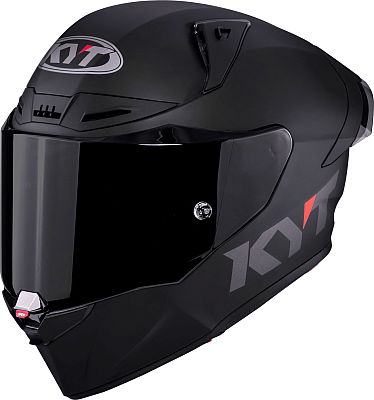


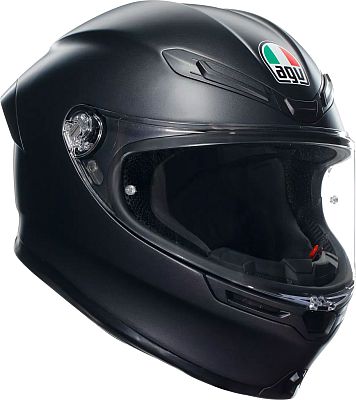


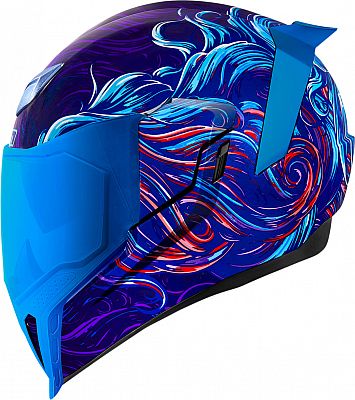


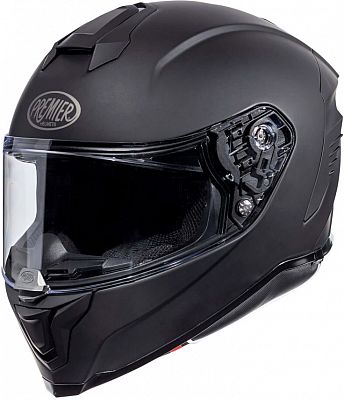


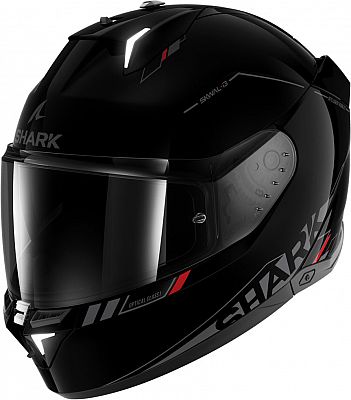


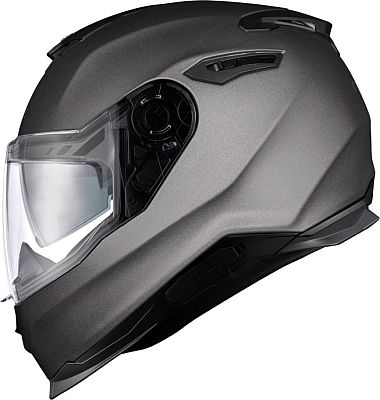


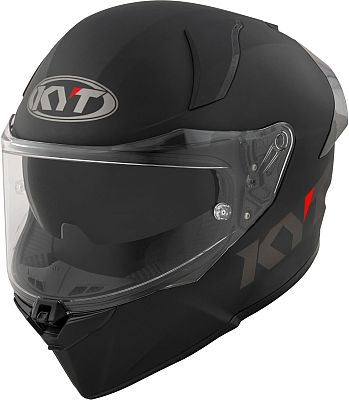










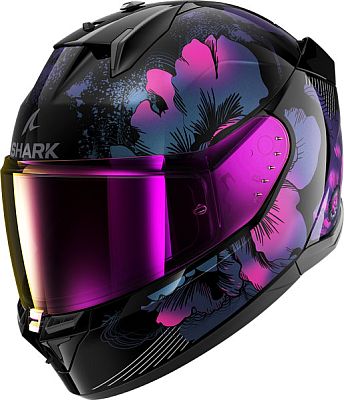


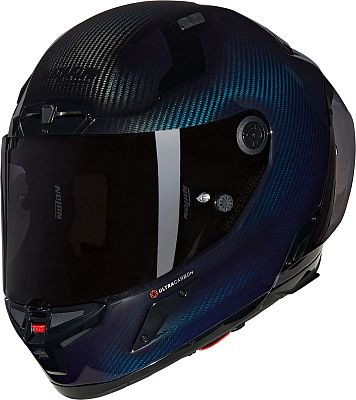


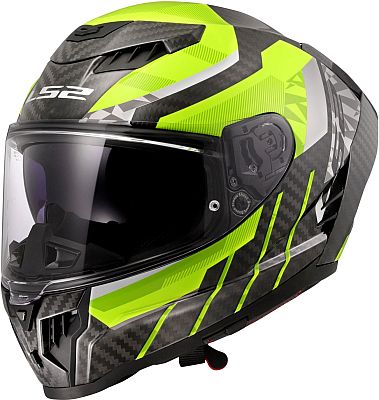


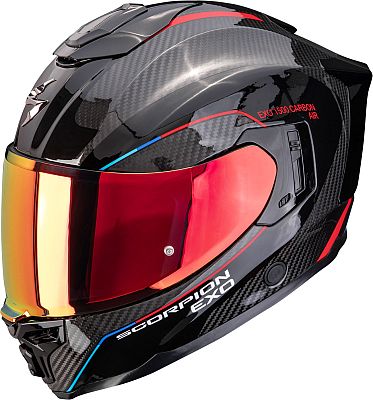


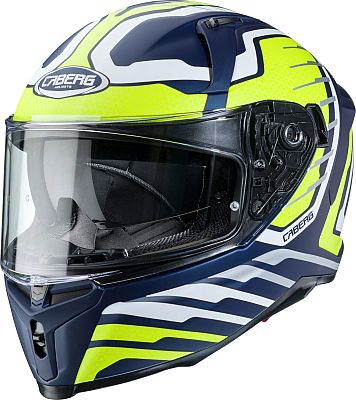


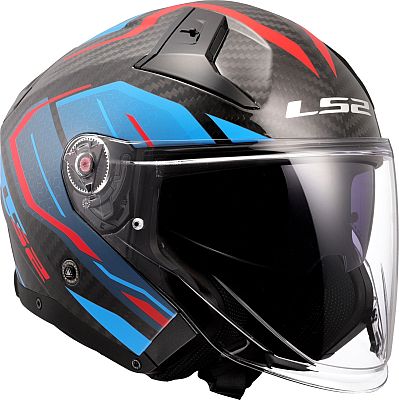


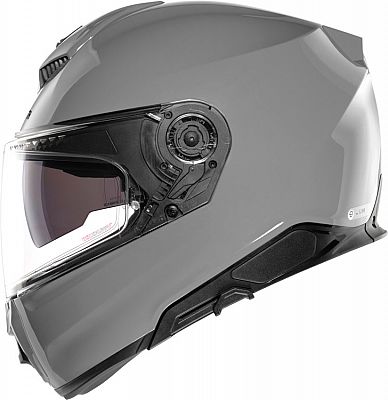


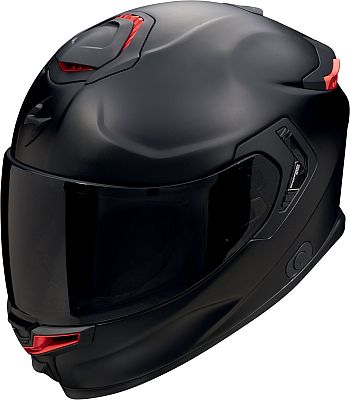


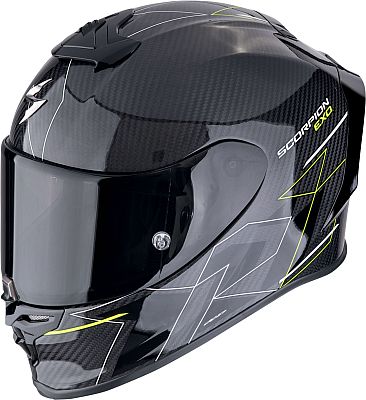


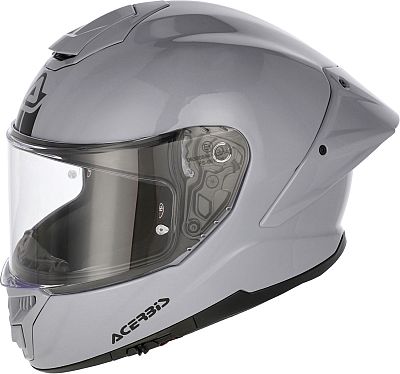


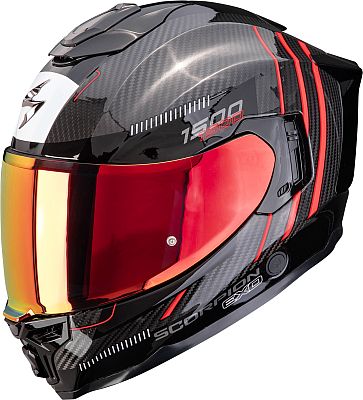


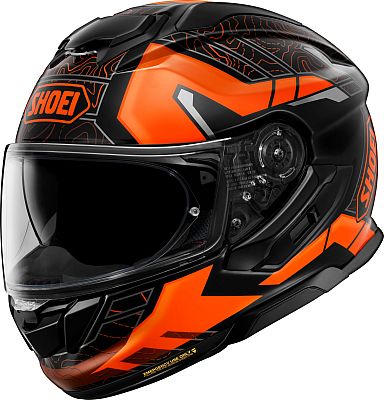


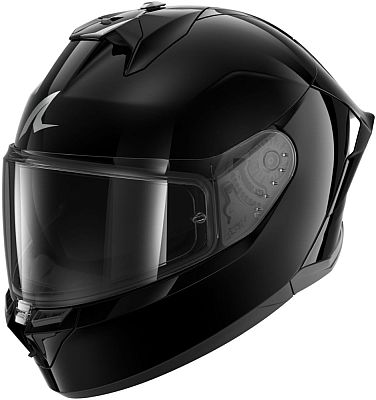


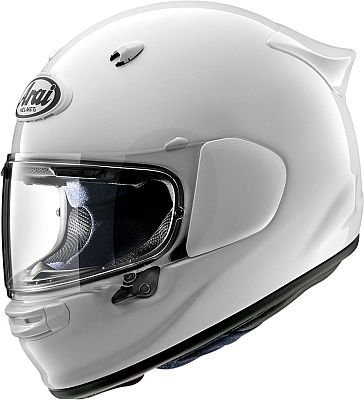


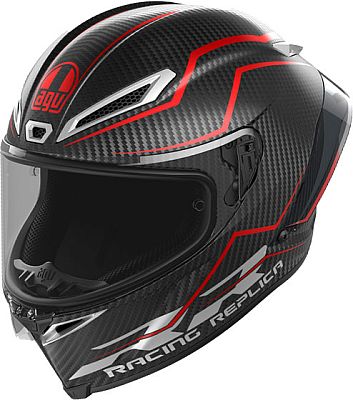


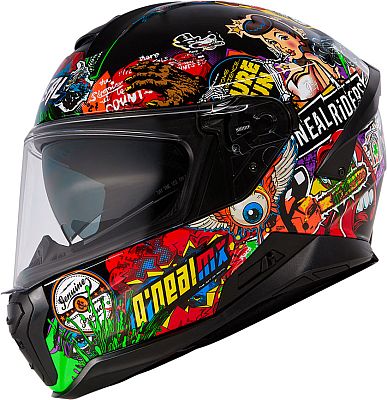




Filter & sort
Sortierung
Full-Face Helmets: Maximum Protection for Sport, Touring & Everyday Use
The full-face helmet is the first choice for motorcyclists who don’t want to compromise on safety. Its one-piece outer shell with a fixed chin bar offers the most comprehensive protection for the entire head, making it the safest helmet type on the market. But not all full-face helmets are the same. The differences between a pure racing helmet and a comfortable touring helmet are huge. In this guide, we’ll walk you through the world of full-face helmets, show you the key differences between sport and touring models, present our top recommendations, and help you find the perfect helmet for you and your riding style.
Sport Full-Face Helmets: Built for the Racetrack and High Speeds
If your heart beats for speed, lean angles, and the perfect racing line, then a sport full-face helmet is the only right choice. These helmets are uncompromisingly designed for performance and packed with technology directly derived from professional racing such as MotoGP.

Characteristics & Features of Sport Helmets
What makes a helmet a true sport helmet? Look for these features:
- Aggressive Aerodynamics: Prominent spoilers at the back provide maximum stability at very high speeds and reduce lift. This relieves your neck muscles in a sporty crouched riding position.
- Ultra-Lightweight Construction: Helmet shells made of carbon or advanced fiber composites minimize weight, which is crucial for performance and endurance on the track.
- Maximum Ventilation: Efficient air intakes are designed to provide maximum cooling during intense physical effort.
- Wide Field of Vision: The visor is often vertically extended to ensure optimal forward vision in a tucked racing position. Racing visors are also usually prepared for tear-offs.
- Secure Double-D Ring Fastener: In racing, the double-D closure is mandatory. It guarantees the safest and always perfectly adjusted fit of the chin strap.
Our Top Recommendations for Sport Full-Face Helmets
These models represent the cutting edge of helmet technology and are worn by professionals worldwide:
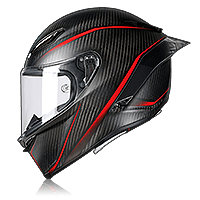
- AGV Pista GP RR: The ultimate racing machine. A pure carbon shell, MotoGP-tested aerodynamics, and maximum ventilation make it the first choice for the track.
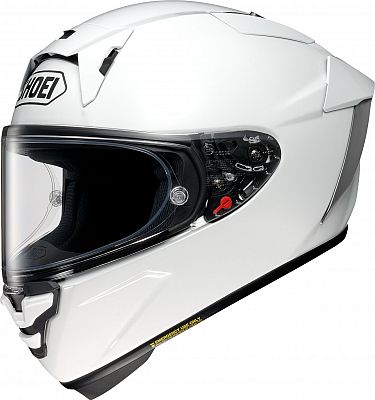
- Shoei X-SPR Pro: The champion of Marc Márquez. Developed for extreme speeds, it offers unrivaled stability and is a favorite in professional racing.
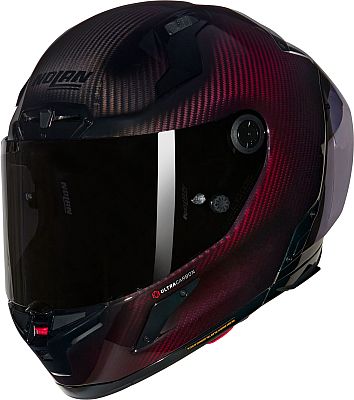
- Nolan X-804 RS Ultra Carbon: A lightweight helmet with impressive features. It combines a carbon shell with an advanced ventilation system and a wide field of view.
- Alpinestars Supertech S-R10: The result of years of racing research. This helmet impresses with its unique aerodynamic shape and maximum protection.
- Scorpion EXO-R1 Evo Air: The price-performance champion in the sport segment. It offers features like a carbon shell and the Airfit™ system for inflatable cheek pads at an unbeatable price.
Touring Full-Face Helmets: Comfort and Features for Long Journeys
If you ride long distances, commute daily, or simply want the best everyday comfort, a touring full-face helmet is your perfect companion. Here, the focus is less on aggressive lightweight design and more on features that make long rides more pleasant and safe.
Characteristics & Features of Touring Helmets
You can recognize touring helmets by their well-thought-out comfort features. This list will help you choose:
- Integrated Sun Visor: An absolute must for touring riders. It can be flipped down quickly in changing light conditions and replaces separate sunglasses.
- Sophisticated Noise Reduction: With special padding, an optimized helmet rim, and less aggressive aerodynamics, touring helmets are often significantly quieter than sport helmets. A blessing on long highway rides.
- Comfort Interior: High-quality, removable, and washable padding that wicks away moisture is standard. Touring helmets are also usually perfectly prepared for installing communication systems.
- Upright Aerodynamics: The shape is optimized for the more upright riding position on touring and naked bikes, ensuring a stable ride.
- Convenient Ratchet Closure: The microlock closure is easy to operate with gloves and offers high everyday comfort.
Our Top Recommendations for Touring Full-Face Helmets
These models set benchmarks in comfort and features for long-distance riding:
- Shoei GT-Air 3: Considered the benchmark among touring helmets. Perfect balance of comfort, ventilation, noise reduction, and safety.
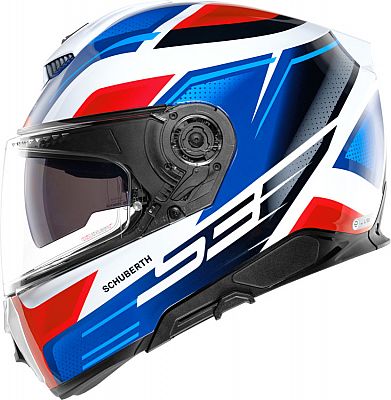
- Schuberth S3: German engineering for maximum quietness. The S3 is one of the quietest full-face helmets on the market and ideal for audio-focused riders.
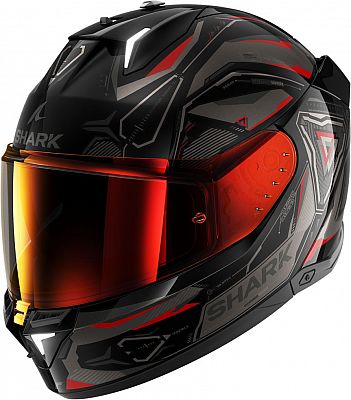
- Shark Skwal i3: Unique with its integrated LED brake system, significantly increasing passive safety in traffic.
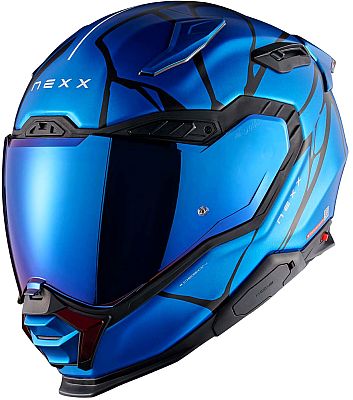
- Nexx X.WST3: A versatile all-rounder with cool design, good features, and an attractive price.
- Icon Airflite: For riders who want extravagant design without sacrificing touring comfort and features.
Buying Guide: How to Find the Right Full-Face Helmet
Still unsure between models? These points will help you make the final decision.
Material Check: What Does Carbon Really Offer?
A carbon full-face helmet is noticeably lighter, which reduces strain on the neck, especially on long tours or on the racetrack. Fiberglass helmets offer the best compromise between weight, safety, and price. Polycarbonate helmets are the most affordable option and ideal for beginners.
The Perfect Fit: How Tight Should a Full-Face Helmet Be?
A new helmet must fit snugly! The padding will loosen by about 15–20% over time. Here’s how to test the fit:
- 1. Measure: Determine your head circumference at the widest point above your eyebrows.
- 2. Try On: The helmet should not slide onto your head by itself when putting it on.
- 3. Feel: There should be no hard pressure points on your forehead or temples. The cheek pads should noticeably press against your cheeks.
- 4. Test: Fasten the chin strap and shake your head quickly side to side. The helmet should not wobble or slip.
Important Features for Glasses Wearers
If you wear glasses, look for the label "suitable for glasses wearers". These helmets have special cutouts in the cheek pads, allowing you to wear glasses comfortably without painful pressure points.
FAQ: Frequently Asked Questions About Full-Face Helmets
1. Which is better: Full-face or flip-up helmet?
For maximum safety and sporty riding, the full-face helmet is the better choice because its shell is made in one piece. For touring riders who value high comfort and flexibility during breaks, a flip-up helmet may be the more practical alternative.
2. How long does a full-face helmet last?
Most manufacturers recommend replacement after 5–7 years. The outer shell material and the damping properties of the EPS foam inside degrade over time due to UV exposure and use. After a crash, a helmet must always be replaced immediately.
3. How do I find the right helmet size?
Measure your head circumference at the widest point above your temples and eyebrows and compare the value with the manufacturer’s size chart. A new helmet must fit tightly as the padding will loosen over time.
4. Can you wash the lining of a full-face helmet?
Yes, in almost all modern helmets the lining is removable and can be hand-washed with mild detergent. This improves hygiene and extends the helmet’s lifespan.
5. How much does a good full-face helmet weigh?
The weight varies depending on material and features. Lightweight carbon helmets often weigh only 1200–1400 grams. Fiberglass helmets usually range between 1400 and 1600 grams. Touring helmets with sun visors tend to be slightly heavier.
6. Are expensive full-face helmets safer?
Every helmet with an ECE certification mark meets the same high safety standards. The price difference usually comes from material (carbon is more expensive), weight, comfort, ventilation, and noise reduction.
7. What does Pinlock mean?
Pinlock is the brand name for a secondary lens attached inside the main visor. The air layer between them works like double glazing and prevents fogging very effectively.
8. Are there full-face helmets specifically for women?
Yes, some manufacturers offer models adapted to female anatomy. However, most are unisex models in smaller sizes and special designs. Much more important than gender is your individual head shape.
9. Can I wear glasses with a full-face helmet?
Yes, many models are explicitly labeled as "glasses-friendly." They feature cheek pad cutouts (glasses channels) that allow comfortable use of glasses.
10. What’s the difference between ECE 22-05 and the new ECE 22-06 standard?
The ECE 22-06 standard is significantly stricter. It additionally tests the absorption of rotational forces and sets higher requirements for accessories such as visors and sun visors.
Conclusion: Find Your Perfect Full-Face Helmet
Whether you’re chasing adrenaline on the racetrack or exploring the world in comfort – the full-face helmet is your safest partner. The key question is: Are you the sport type or the touring type? Once you’ve answered that for yourself, you can specifically search for models with the features most important to you – be it ultra-light carbon construction or maximum touring comfort with sun visor and communication system preparation.
Use our filters to narrow down your selection and compare the top models from leading brands.
Table of contents