































Protector pants





































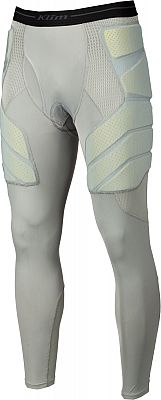


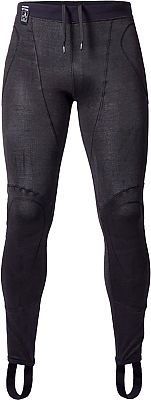


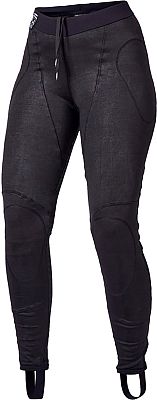


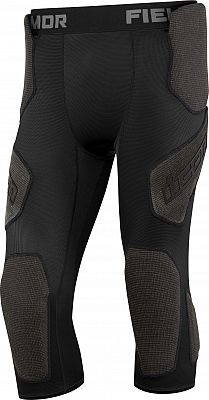

















Filter & sort
Sortierung
Protective pants and shorts: your guide to protecting your hips, shins, and thighs
When you think of protective clothing, you immediately think of a helmet, a jacket, and maybe a back protector. But what about the area that hits the ground first in a sideways fall? Your hips. Many motorcyclists neglect this critical area, often because the standard protectors in motorcycle pants are missing or uncomfortable. Protective pants are the intelligent and uncompromising solution to this problem. They are the foundation of your safety, providing close-fitting protection that ensures that the protection is exactly where it is needed at the crucial moment.
Whether you're looking for discreet, armored shorts under your favorite jeans or full-fledged, wear-resistant pants that combine protection and outer material in one, modern protective pants offer you a level of safety and comfort that was unthinkable just a few years ago. In this ultimate guide, we'll walk you through the different concepts, explain the protection technologies, and help you find the perfect gear for your lower body.
Why protective pants? The often underestimated protection
Protective pants are much more than just “padded underwear.” They are highly specialized garments that fill critical safety gaps.
The anatomy of risk: hips & coccyx in focus
While knee injuries are often the result of friction and direct blows, falls on the side are particularly treacherous. A direct blow to the hip on the asphalt can lead to painful bruising or even complicated fractures of the femoral neck or pelvis. The tailbone is also at great risk in a backward fall. Protective pants are specially designed to distribute and absorb the impact energy across a large area in precisely these areas.
Filling the gap in standard equipment
The reality is that most motorcycle jeans and many textile pants are delivered from the factory without hip protectors. They do have the pockets for them, but the protection itself must be purchased separately as an upgrade. Protective pants solve this problem completely. They not only protect the hips, but often also the outside of the thighs and the tailbone – areas that cannot be adjusted in normal pants.
Perfect fit guaranteed: no shifting in an emergency
The biggest advantage of close-fitting protective pants is that the protective elements cannot shift. Thanks to the close-fitting compression material, the protectors fit like a second skin. Unlike protectors in wider-cut pants, they cannot shift in the event of a fall and therefore do not lose their protective function.
The two concepts: Armored Baselayer vs. Standalone pants
There are two basic principles for protective pants, each of which is perfect for different motorcyclists and applications.
Concept 1: protective shorts (as a base layer)
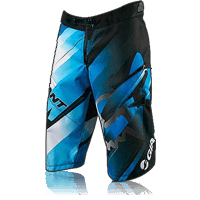
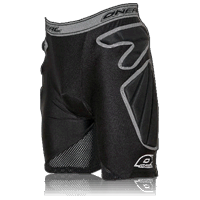
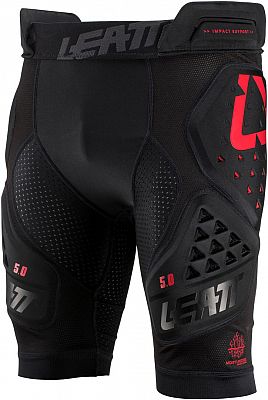
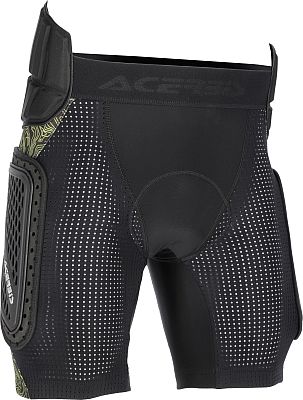
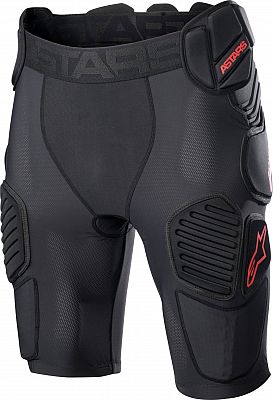
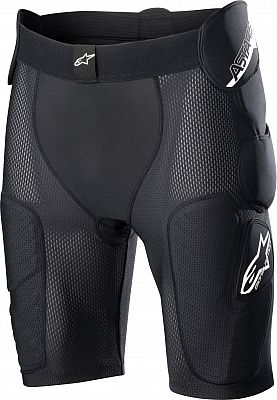
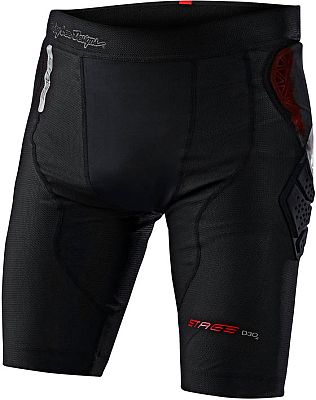
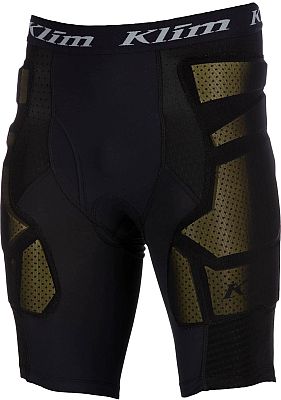
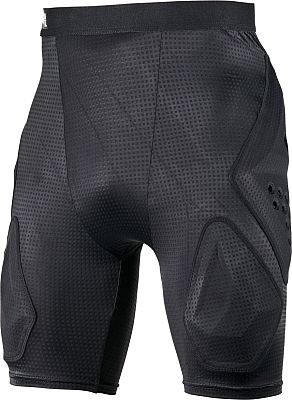
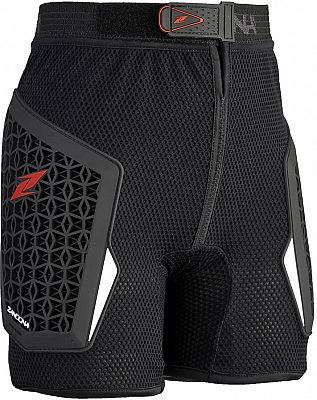
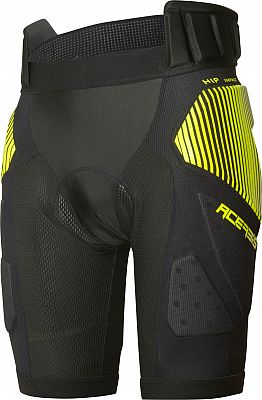
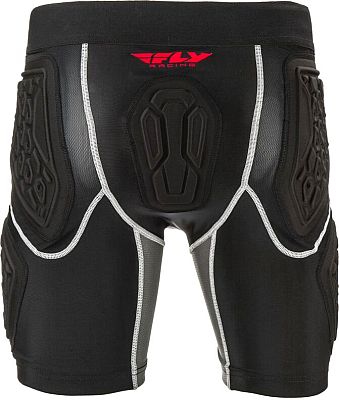
Description: This is the most common type. They are short, tight compression pants (similar to cycling shorts) with protectors for the hips, thighs, and tailbone. They are designed as a pure protective base layer and are worn under durable motorcycle pants (e.g., jeans, leather, or textile pants).
Target group: Any motorcyclist who wants to improve the safety of their existing motorcycle pants. Particularly popular with off-road riders, track riders, and urban bikers who want maximum protection under normal jeans.
Our top recommendations for protective shorts:
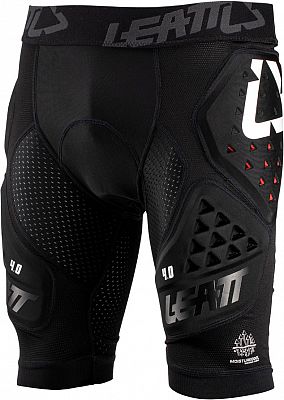
The comfort champion: Leatt 3DF 4.0 protective shorts
These shorts use Leatt's intelligent 3DF AirFit foam. It is soft, flexible, and extremely well ventilated, ensuring unparalleled comfort. An excellent choice for long days in the saddle, both on and off-road.
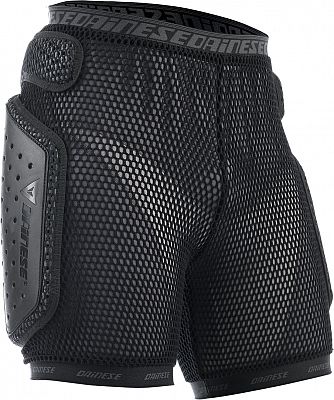
The hybrid with hard shells: Dainese Hard E1 protective shorts
The Dainese Hard Shorts combine a soft base with robust polypropylene hard shells on the thighs and hips. This construction not only offers good shock absorption, but also improved sliding properties under the pants.
The off-road specialists: Scott MX protective shorts
These models are designed purely for off-road use. They offer strategically placed padding and an ergonomic fit that allows maximum freedom of movement on the bike.
Concept 2: the abrasion-resistant protective pants (as separate pants)
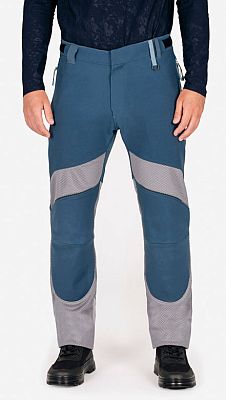
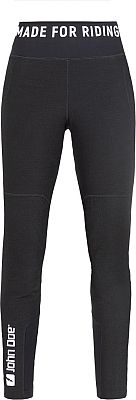
Description: These are full-fledged motorcycle pants that combine both layers—abrasion protection and protectors—in one advanced garment. The pants are certified as standalone pants and do not need to be worn over other pants.
Target group: Mainly urban commuters and style-conscious motorcyclists looking for comfortable, airy, and unobtrusive pants for the summer that still offer full protection. The pants are the perfect complement to a protective jacket.
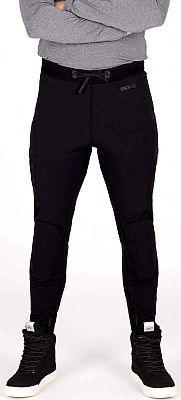
The all-in-one solution: Knox Action Pro MK2 protective pants
The Action Pro from Knox is a revolution. It is made of an extremely stretchy and abrasion-resistant material and is certified as class AA – the protection level of high-quality textile pants. At the same time, it is just as comfortable and breathable as sports pants. It comes with knee and hip protectors and can be worn as the only pair of pants while riding.
Purchasing advice: what to look for when buying protective pants
The level of protection: level 1 vs. level 2 for hip protectors
As with other protective gear, hip protectors are subject to the EN 1621-1 standard. Level 1 offers good basic protection. However, Level 2 absorbs significantly more impact energy and is the clear choice for such a critical area as the hips, if available.
Material & technology of the protectors
Intelligent materials are also used for hip and shin protectors. Soft, flexible protectors made of D3O® or SAS-TEC® are particularly suitable here, as they adapt perfectly to the complex shape of the hip and are not noticeable under pants, but offer excellent protection in the event of a fall.
The fit: snug but not tight
The compression fit is essential. The pants should fit snugly around the body so that the protectors cannot shift. They should feel like high-quality sports leggings: supportive, but without restricting blood circulation. Base the size on the waist and hip measurements in the manufacturer's tables.
Ventilation and comfort
Because protective pants are worn as a base layer directly on the skin (or over underwear), good moisture management is crucial. Look for breathable materials and mesh inserts that ensure good ventilation and a comfortable climate.
FAQ: frequently asked questions about protective pants
1. Do you wear protective pants with or without underwear?
That is a matter of preference. Most riders wear them over normal, close-fitting functional underwear for maximum hygiene and comfort.
2. How should protective pants fit?
The pants should fit snugly to the body without forming creases or restricting freedom of movement. The protectors should cover the hip bones, the outside of the upper legs, and the tailbone precisely.
3. Can the protectors be removed for washing?
Yes, the protectors are removable on all high-quality models. The fabric can then be washed according to the washing instructions (usually hand wash or delicate cycle).
4. Are protective pants also suitable for summer?
Yes, they are even ideal for summer. Because they are made of breathable compression fabrics, they are often lighter than thick touring pants. Combined with light motorcycle jeans, this is a very safe and comfortable summer combination.
5. Do protective shorts replace the protectors in my motorcycle jeans?
They replace and extend them. You remove the (usually inferior or missing) hip protectors from your jeans and wear the protective shorts underneath instead. However, the knee protectors in the jeans remain in place.
6. Are there protective pants with knee protectors?
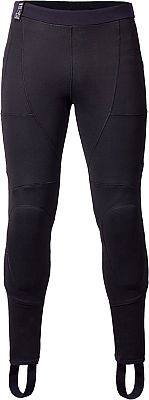
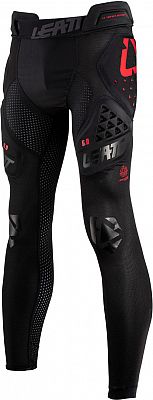
Yes, long protective pants (often for off-road use) also have knee protectors. The separate pants presented here, such as the Knox Action Pro, do too. However, standard protective shorts end above the knee.
7. Do these pants also protect against abrasion?
Pure protective shorts do not offer any protection against abrasion. This is the responsibility of the motorcycle pants worn over them. The only exception to this are full-fledged, certified pants such as the Knox Action Pro MK2.
8. Are protective pants for women and men different?
Many models are designed as unisex models. However, some manufacturers offer special women's models that are better adapted to the female anatomy in the hip and waist area.
9. What level of protection is important for hip protectors?
Although level 1 offers good basic protection, level 2 is always recommended for such a critical area as the hip, if available.
10. Do protective pants also protect the tailbone?
Yes, that is one of the major advantages. Most models have special, often removable padding to protect the sensitive tailbone.
Conclusion: the invisible foundation of your safety
Think of protective pants as the foundation of a house: you can't see it, but it supports the entire safety structure of your lower body. It closes a dangerous gap in protection that many motorcyclists don't even notice and, with its perfect fit, allows you to concentrate on what's most important: the pleasure of riding. Whether as a smart upgrade for your favorite jeans or as separate, airy pants for the summer, it's one of the smartest investments you can make in your safety.
Switch now and ensure seamless protection from your hips to your knees.
Table of contents