





























Visors























































































































Filter & sort
Sortierung
Motorcycle helmet visors: The guide to clear vision, protection, and perfect style
The visor is much more than just a simple plastic screen in front of your face—it is your window to the road and a crucial safety and comfort feature of your motorcycle helmet. It protects you from wind, rain, insects, and flying debris. A clear, undistorted, and fog-free view is essential for your safety. At the same time, the visor is a strong style element that allows you to give your helmet a personal touch.
But the choice is huge: clear, tinted, mirrored or even self-tinting? What is the difference between “Pinlock® ready” and “Pinlock® included”? And can you even ride at night with a dark visor? In this comprehensive guide, we answer all your questions, explain the most important technologies, and help you find the perfect replacement or upgrade visor for your helmet.

The different types of visors: clear, tinted, or mirrored?
The tint of your visor has a huge impact on comfort and safety in different lighting conditions.
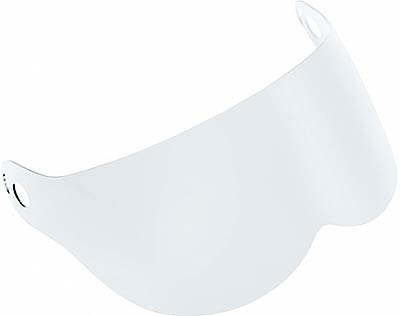
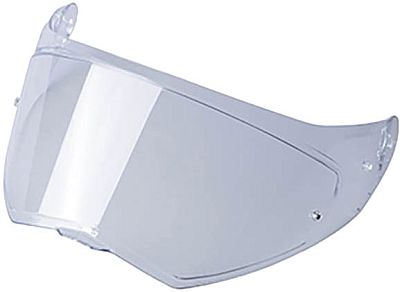
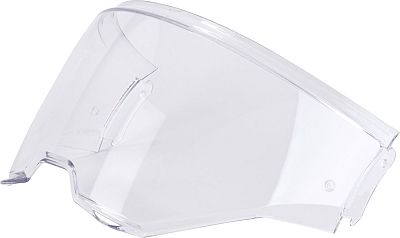
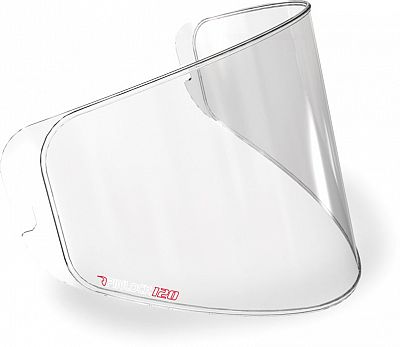
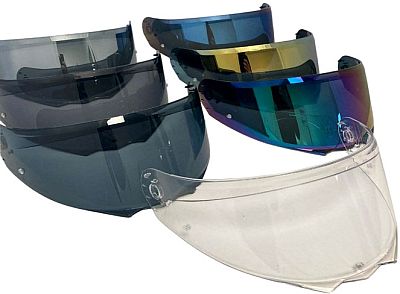
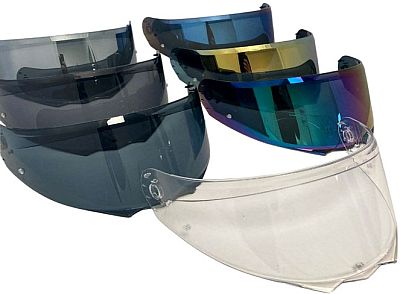
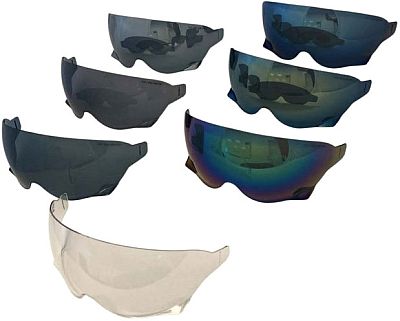
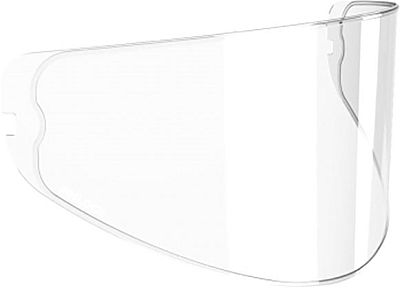
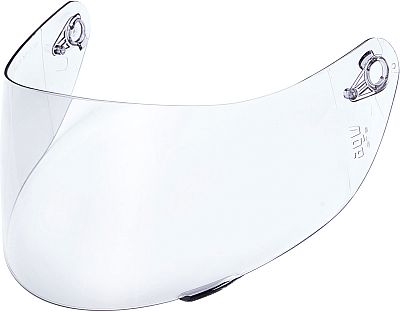
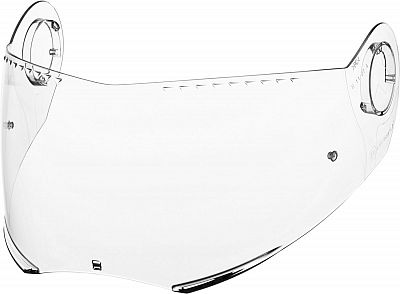
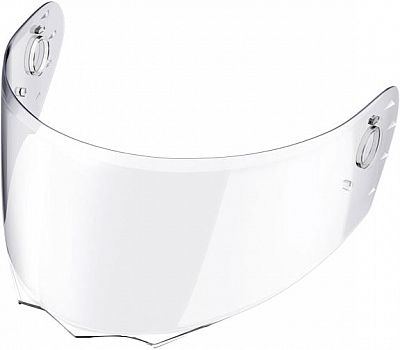
Clear visors: The universal standard
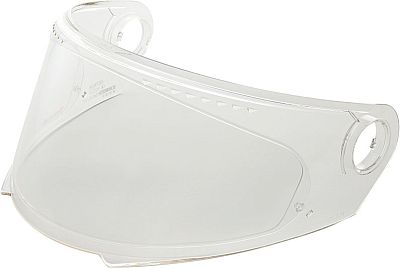
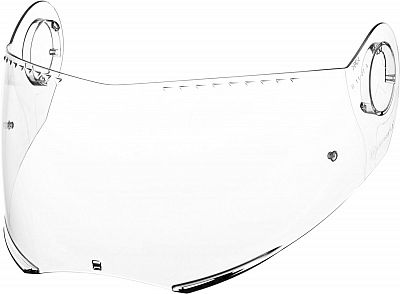
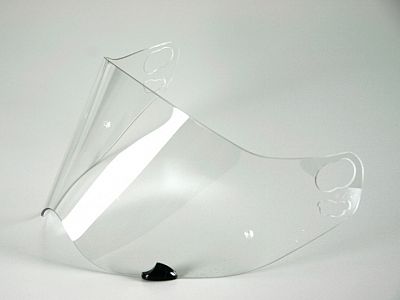
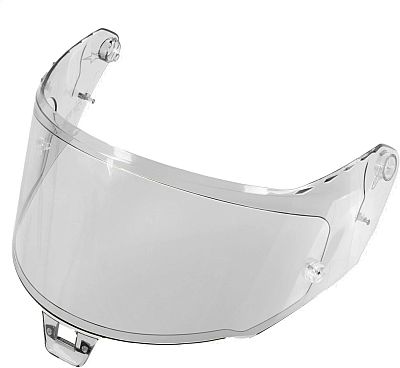
- Description: The clear visor is standard equipment on almost every helmet. Its greatest strength is its unrestricted usability in all conditions whether in bright sunshine, at dusk, at night or in the rain. It offers an unobstructed view of the road and is the only visor variant that is legally approved for use around the clock without restriction.
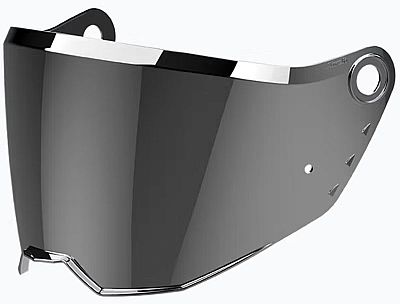
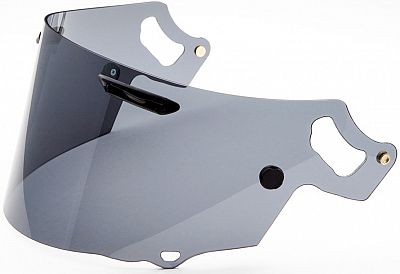
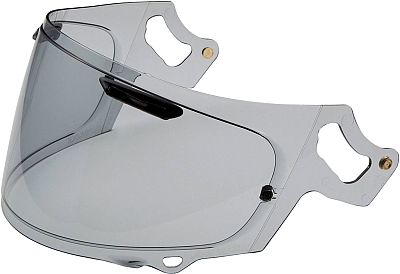
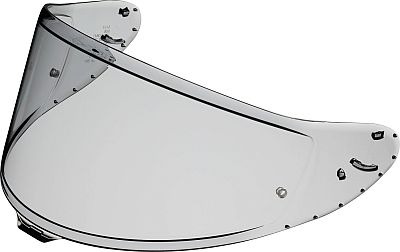
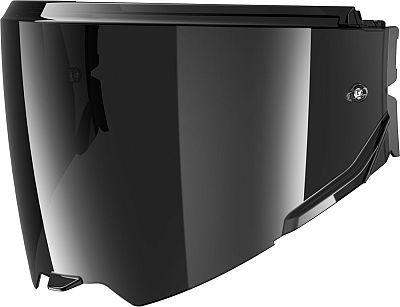
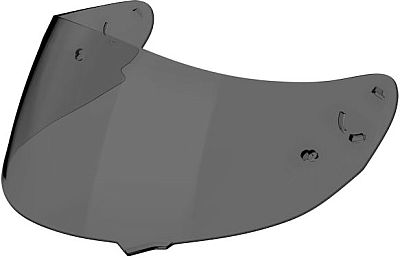
Tinted visors: Effective sun protection
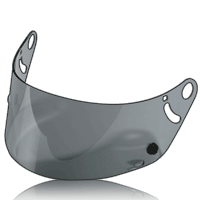
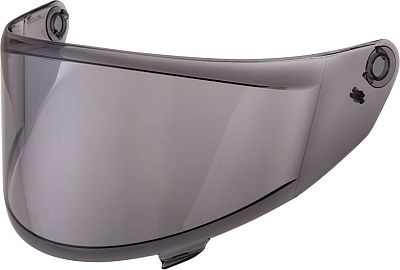
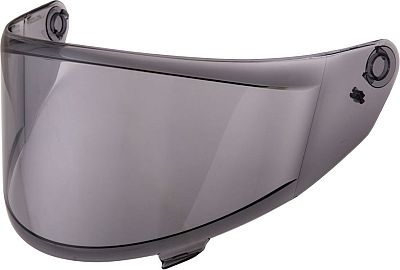
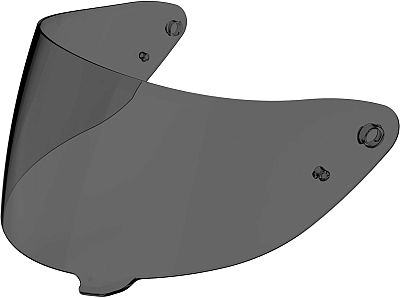
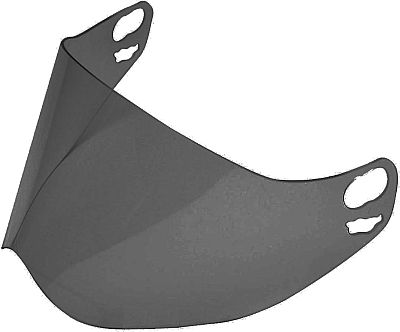
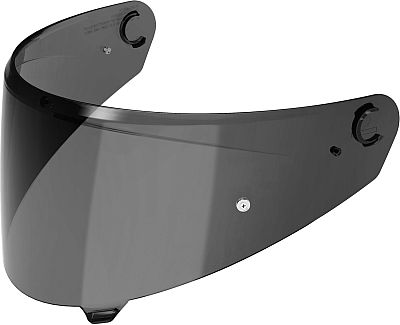
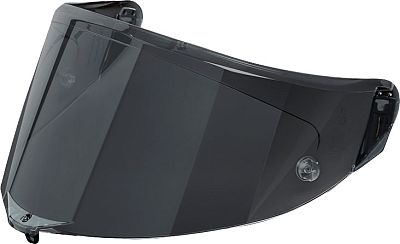
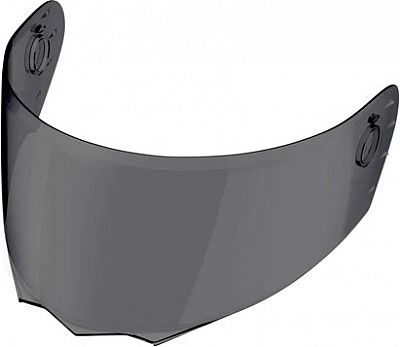
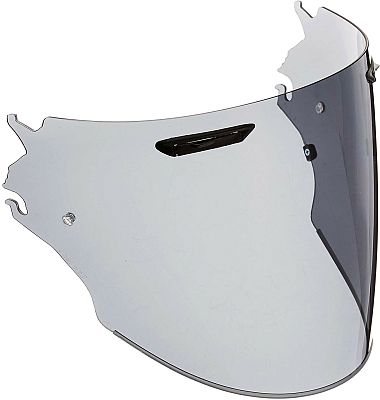
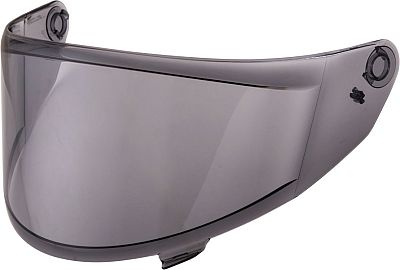
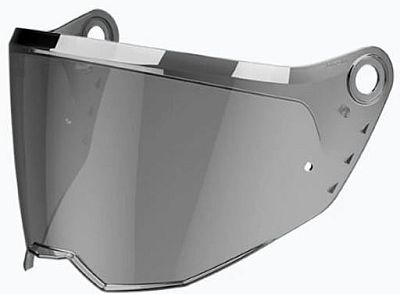
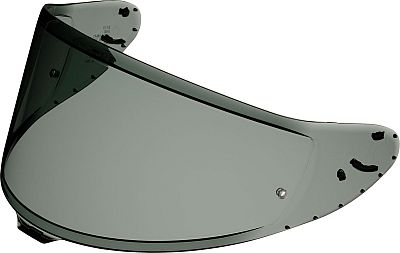
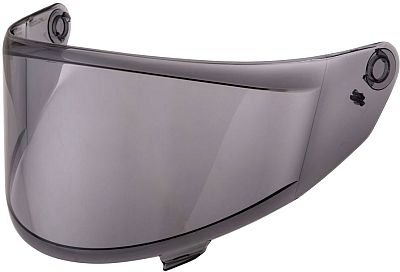
- Description: Lightly or heavily tinted visors (often called “smoke” or “dark smoke”) work like high-quality sunglasses. They reduce glare, filter out dazzling sunlight and relax the eye muscles, which significantly increases comfort, especially on long journeys on sunny days.
- Legal notice: Dark-tinted visors are generally only approved for daytime use. Driving at night or at dusk is not permitted and is dangerous.
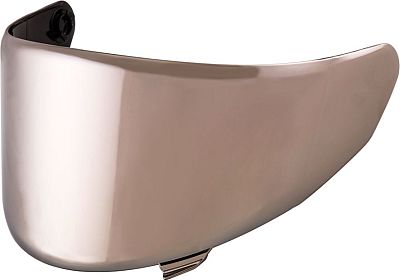
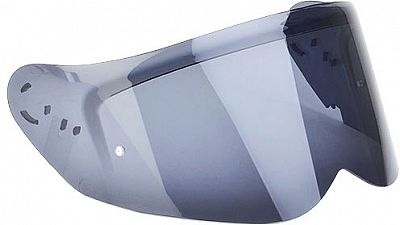
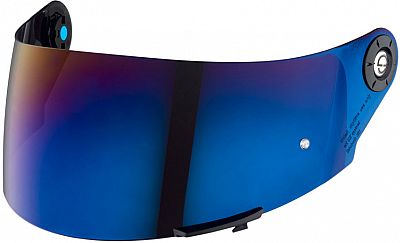
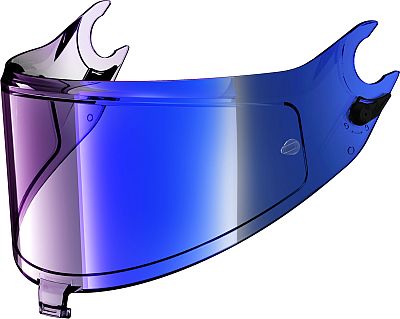
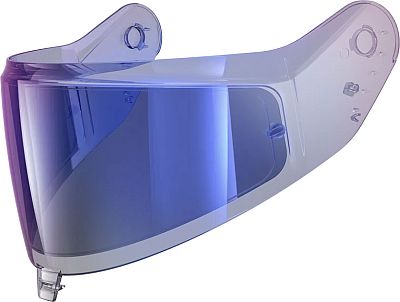
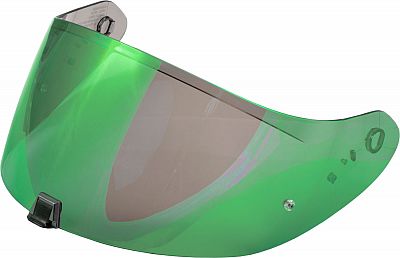
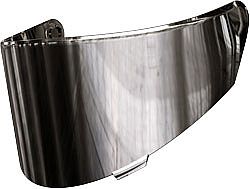
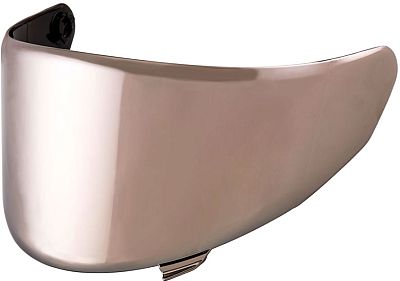
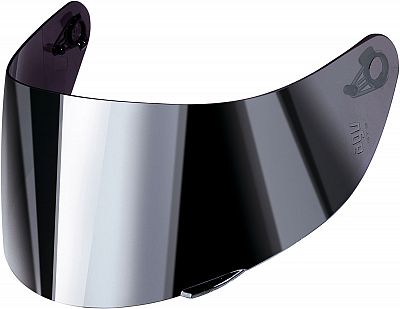
Mirrored (iridium) visors: Maximum style and glare protection
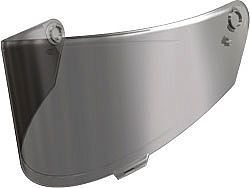
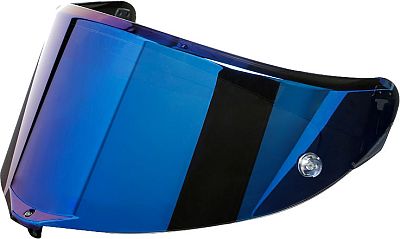
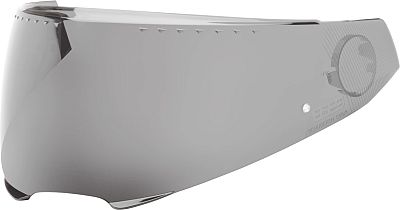
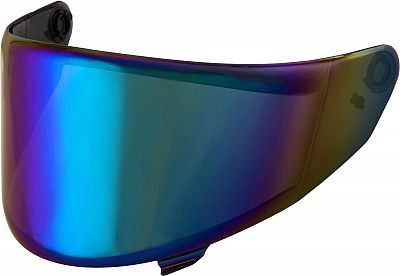
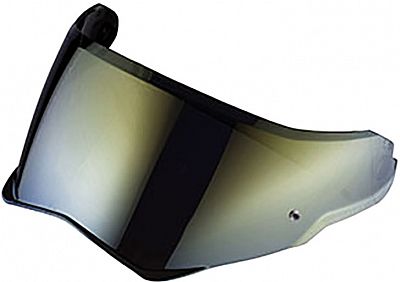
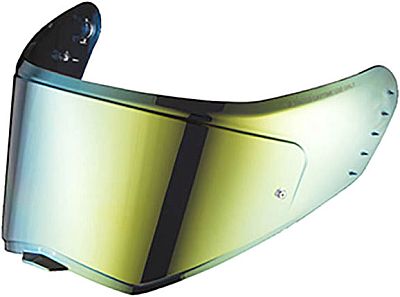
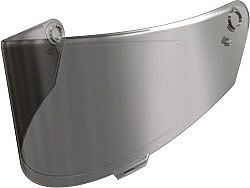
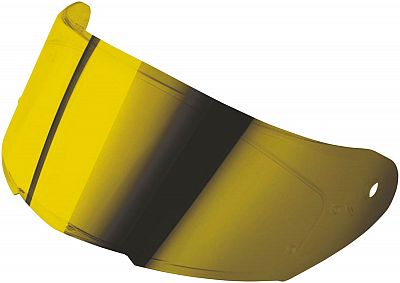
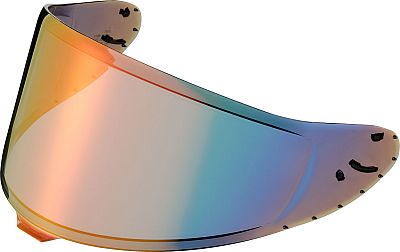
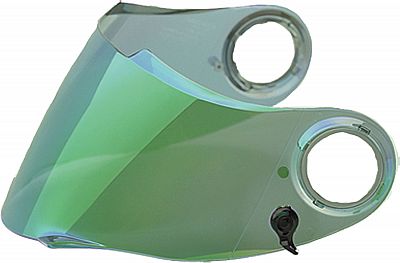
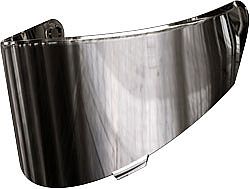
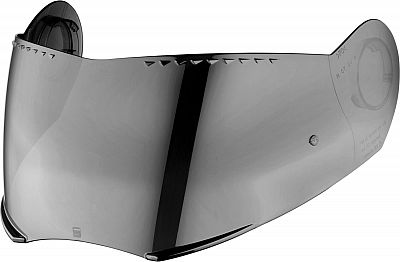
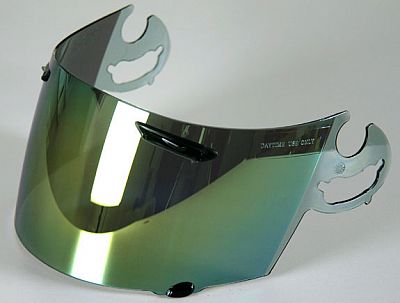
- Description: Visors with an iridium coating not only offer the strongest glare protection, but also a distinctive, aggressive look. They are available in many different colors such as silver, gold, blue, or rainbow colors and are a popular way to customize your helmet.
- Legal notice: Just like heavily tinted visors, mirrored visors are designed and approved for use in daylight only.
Self-tinting (photochromic) visors: The high-tech solution
- Description: This is the “all-in-one” solution. Photochromic visors automatically adjust their tint to the intensity of UV radiation. In strong sunlight, they darken within seconds, and when the light fades or you enter a tunnel, they lighten again. This combines the advantages of a clear and a tinted visor without the need for manual adjustment.
The ultimate solution against fogging: Pinlock® explained
Every motorcyclist knows the problem: in cool or damp conditions, the visor fogs up from the inside. By far the most effective solution is the Pinlock® system.
| Topic | Explanation |
|---|---|
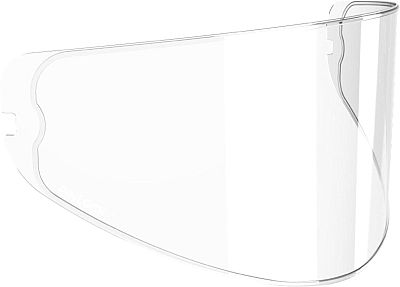
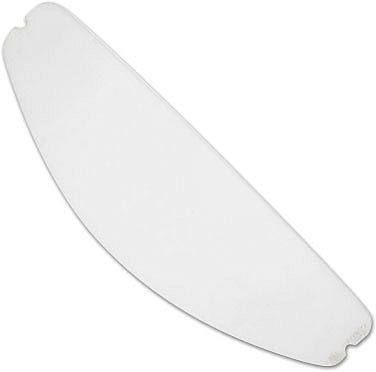
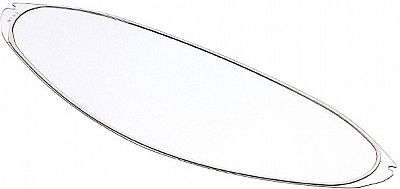
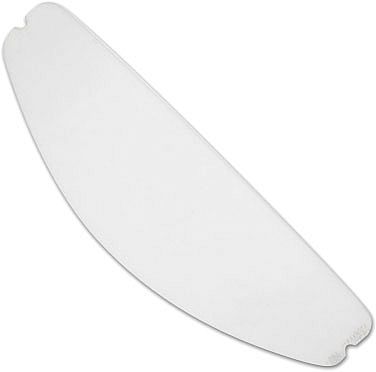
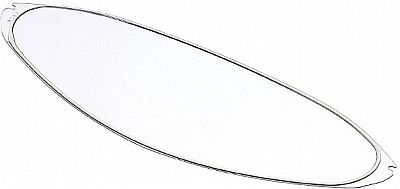
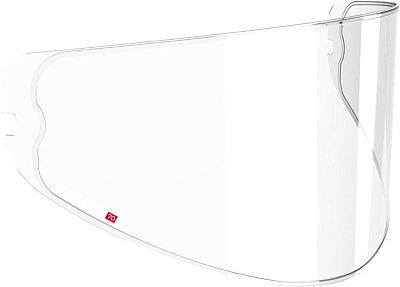
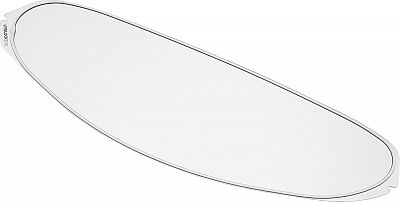
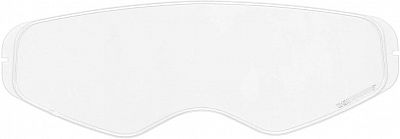
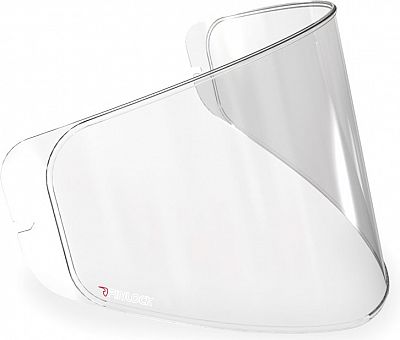
| How it works | A Pinlock® inner visor is attached to two small pins on the inside of the main visor. An insulating layer of air is created between the two visors, which works like double glazing on a window. This layer prevents temperature equalization and thus the condensation of moist breath on the cold visor. |
| Preparation | A visor that is “Pinlock ready” has the two pins required to attach the inner visor. The Pinlock® visor itself must be purchased separately. |
| The complete package | If a visor or helmet is marked “Pinlock included,” the appropriate Pinlock® lens is already included in the scope of delivery and only needs to be installed. |
| The conclusion | Investing in a Pinlock® system is a huge safety gain and by far the best anti-fog solution on the market. |
Buying advice: How to find the right visor for your helmet
Buying a new visor is easy—if you follow the most important rule.
Compatibility: Why not every visor fits
- This is the most important point: Visors are almost always manufacturer and model specific! A visor for a Shoei NXR2 will not fit a Schuberth C5. Even within the same brand, visors often only fit a specific model series. So you need to know the exact name of your helmet model. This can usually be found on a sticker on the back of the helmet, on the test mark on the chin strap, or on the original packaging. In our shop, you can filter specifically for your helmet model to only see compatible visors.
Changing the visor: A simple 3-step guide
- With almost all modern helmets, changing the visor is child's play and can be done without tools:
- Open the visor completely: Flip the visor to the uppermost position.
- Activate the release mechanism: There are usually small levers or buttons on the sides. Press these to release the lock.
- Remove the visor & insert a new visor: Carefully pull off the old visor. Place the new visor in the holder and press it firmly until it clicks into place.
Features you should look out for
- Scratch resistance: A hard coating on the outside (“anti-scratch”) protects against minor scratches caused by dust or insects and significantly increases the service life.
- UV protection: High-quality polycarbonate visors offer very high protection against harmful UVA and UVB radiation.
Care & cleaning: For a long service life and perfect visibility
A scratched or dirty visor is a safety hazard. With the right care, your vision will remain clear.
The right cleaning method
The coatings on visors are sensitive. Never use aggressive glass cleaners, abrasive cleaners, or dry paper towels!
The best method: Lukewarm water with a few drops of mild dishwashing detergent and a soft microfiber cloth. Clean gently without applying pressure.
The trick for removing stubborn insects
Soak the insect remains before cleaning. Simply place a wet cloth or kitchen paper on the visor for a few minutes. The remains can then be wiped off easily and without scratching.
FAQ: Frequently asked questions about motorcycle helmet visors
1. What can I do about a fogged-up visor?
The most effective method is a Pinlock® inner visor. Alternatively, anti-fog sprays or opening the visor and helmet vents can help.
2. Is it permitted to ride with a mirrored or heavily tinted visor?
In Germany, visors with a tint of up to 65% are only permitted for use in daylight. Riding at night or in poor visibility is prohibited.
3. How often should a visor be replaced?
There is no fixed rule. A visor should be replaced immediately if it has deep scratches (especially in the field of vision), as these scatter light and cause glare at night. Otherwise, replace it after 2-3 years, as the material can become brittle due to UV radiation. This is easily recognizable by microcracks on the edges of the visor.
4. Can scratches be removed from a visor?
No. Attempting to polish out scratches usually destroys the scratch-resistant coating and only makes the problem worse. If scratches are a problem, the only solution is to replace the visor.
5. Which visor is best for nighttime riding?
Only a clear, clean, and scratch-free visor. Any tinting reduces visibility in the dark and is extremely dangerous.
6. What does “tear-off” preparation mean?
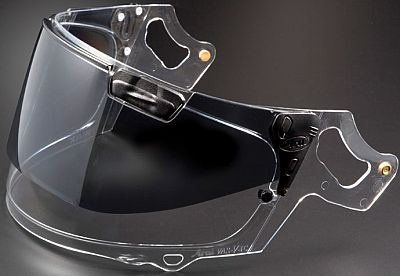
These are small pins on the outside of the visor. They are used in racing to attach tear-off films. As soon as the top film is dirty, it can simply be torn off to restore clear vision.
7. My helmet has an integrated sun visor.
Do I still need a tinted visor? No. The sun visor fulfills the function of a tinted visor and you remain flexible, as you can also ride at night with the clear main visor.
8. How do I clean a Pinlock® lens?
Very carefully! Remove it from the main visor and clean it only with lukewarm water and a very soft cloth. The inside is extremely sensitive.
9. Do Shoei visors also fit Schuberth helmets?
No. Visors and their mechanisms are model-specific and cannot be exchanged between different manufacturers.
10. Are there visors with extended UV protection?
Yes, almost all high-quality polycarbonate visors filter over 99% of harmful UV rays and thus offer full protection for the eyes.
Conclusion: Improve your vision, comfort, and style
The visor is an inexpensive yet extremely effective upgrade for your helmet. A new, scratch-free visor increases your safety, a Pinlock® lens makes riding possible in any weather, and a tinted or mirrored visor gives your helmet a completely new look. It is important to ensure that the visor is compatible with your helmet model.
Browse our huge selection now and find the perfect visor for your helmet.
Table of contents