































Protectors
























































































Filter & sort
Sortierung
Motorcycle Protective Gear: Your Ultimate Guide to Maximum Safety from Head to Toe
We all love theThe feeling of freedom and adventure that motorcycling gives us. But true freedom only begins when you feel safe. While helmets and clothing are the obvious protective shields, the real heroes usually do their work behind the scenes: protectors. They are the invisible armor that stands between a bruise and a serious injury in the decisive moment. They are the result of years of research and the essence of modern safety technology.
But what exactly distinguishes a Level 1 protector from a Level 2 protector? What is the secret behind intelligent materials such as D3O® and SAS-TEC®? And which protector is right for your back, shoulders, or knees? In this ultimate guide, we leave no question unanswered. Wetake you deep into the world of protectors, explain the physics of safety, and help you take your protective gear to the next level. Because when it comes to your safety, there can be no compromises.

The physics of safety: How does a motorcycle protector work?
To make the right choice, it is important to understand what a protector actually does at the crucial moment. It is a fascinating interplay of materials science and physics.
The core task
Energy absorption and distribution
Imagine a sharp impact, for example, with your knee on a curb. Without protection, the entire impact energy would be concentrated on a tiny point—with devastating consequences for your bone. A protector works like a shield: It absorbs this concentrated energy and distributes it across its entire surface. This drastically reduces the force that hits a single point on your body is drastically reduced. At the same time, the material itself absorbs and converts some of the impact energy into heat. The better a protector fulfills these two tasks, the higher its protective effect.
The protection levels explained
What do Level 1 and Level 2 mean?
The European standard EN 1621 defines exactly how much protection a protector must provide. The most important distinction you should look for when purchasing is between Level 1 and Level 2.
| Protection level | Residual force (average) | Residual force (single impact) | Suitability & properties |
|---|---|---|---|
| Level 1 | Less than 18 kN | Less than 24 kN | The proven standard for most motorcycle jackets and pants. Offers good protection, is often thinner, lighter, and more flexible. Ideal for everyday and touring use. |
| Level 2 | Less than 9 kN | Less than 12 kN | The premium protection class. Absorbs on average twice as much impact energy as a Level 1 protector. Slightly thicker and stiffer, but the first choice for the racetrack, off-road use and for any safety-conscious rider. |
Protector technology
The magic in the material (D3O® vs. SAS-TEC®)
Modern protectors are much more than just hard plastic. The revolution lies in intelligent materials that are soft and flexible during normal movements but harden in a fraction of a second in the event of a sudden impact.
D3O® Protectors:
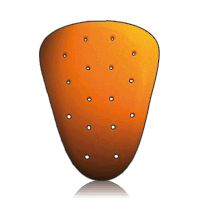
Recognizable by their distinctive orange color, D3O® is extremely flexible and adapts perfectly to the shape of the body, offering unmatched comfort. Upon impact, the molecules lock together to form a highly effective protective shield.
SAS-TEC® protectors:
These mostly green or yellow protectors made of viscoelastic soft foam are also very flexible and known for their excellent multiple impact properties. Even after an impact, they return to their original shape and continue to provide protection (as long as they are not visibly damaged).nbsp;
Protection for the upper body: back, chest, shoulders, and elbows
The upper body houses your vital organs and your spine. Maximum protection is essential here.

The back protector
The most important upgrade for your jacket
Many motorcycle jackets are only supplied with a simple foam insert. Replacing this with a certified back protector is the most important and effective safety upgrade you can make.
Types of back protectors:
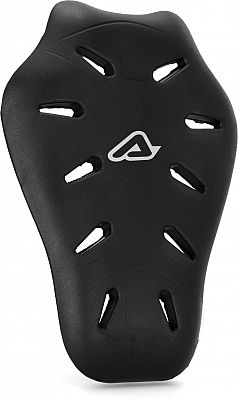
Retrofit protectors: These are simply inserted into the designated pocket in the back of your jacket. Be sure to choose the right size for your jacket.
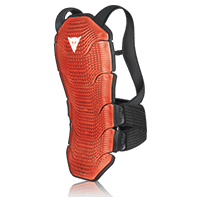
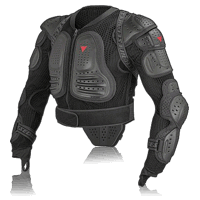
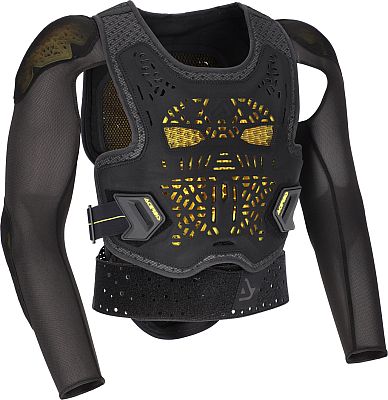
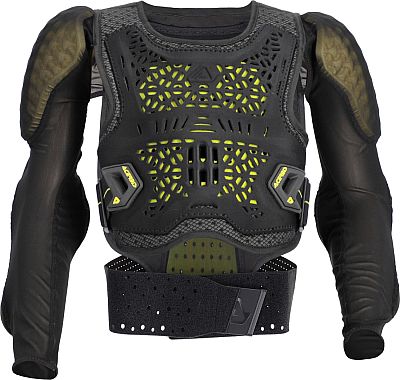
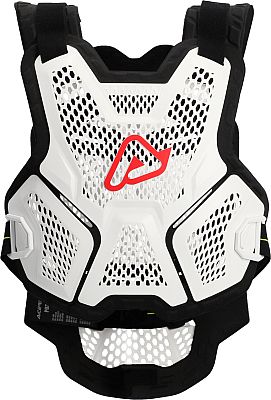
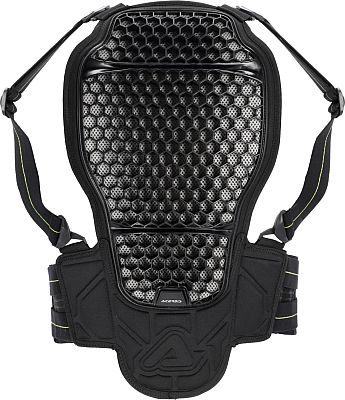
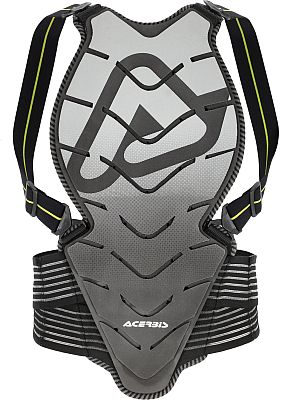
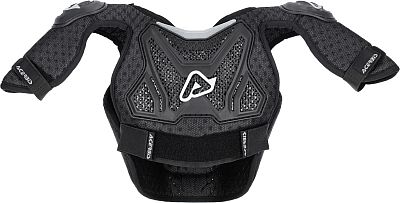
Strapped protectors (“turtle”): These are worn directly on the body like a backpack with straps. Advantage: The protector always sits in exactly the right position, regardless of the jacket. Disadvantage: Somewhat more cumbersome to put on. They often offer a larger protective area.
The chest protector
Your protective shield at the front
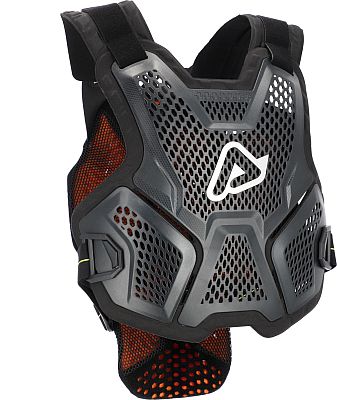
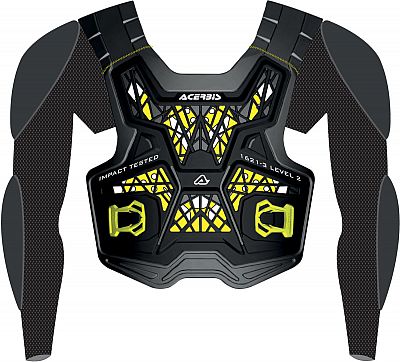
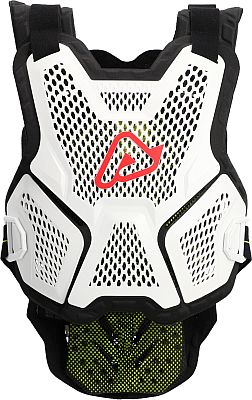
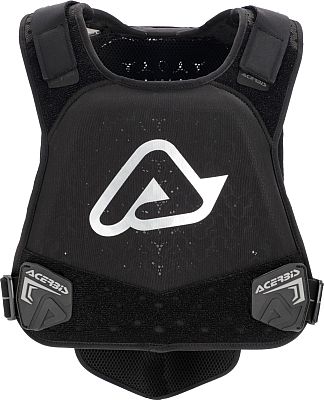
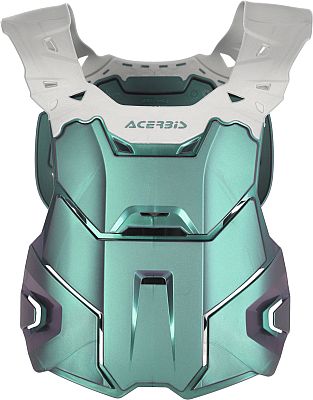
The chest protector is often neglected, but can protect vital organs in a head-on collision, e.g. with the handlebars or the tank. Many sports jackets offer the option of adding two-piece chest protectors in specially designed inner pockets.A small investment with a huge impact.
Shoulder & elbow protectors
The indispensable standard
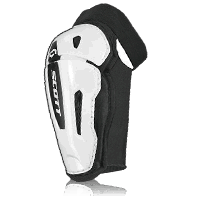
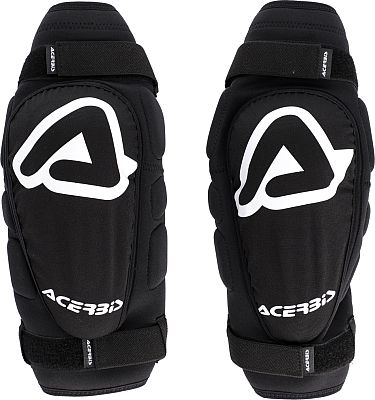
These are installed as standard in almost every motorcycle jacketIt is worth taking a look at the protection level. Many jackets come with Level 1 protectors. Upgrading to Level 2 or to more comfortable, flexible protectors from D3O® or SAS-TEC® can significantly improve both safety and comfort.
The complete solution: protective jackets, shirts and vests
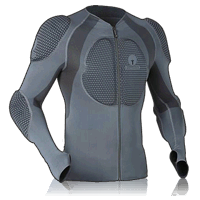
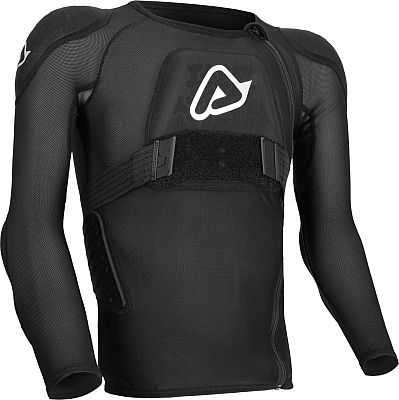
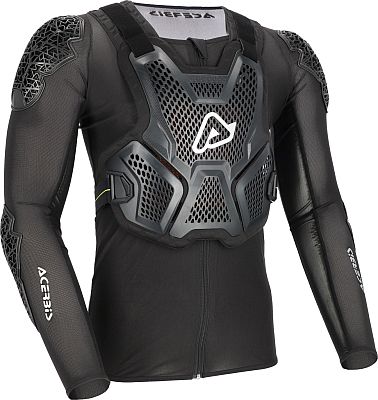
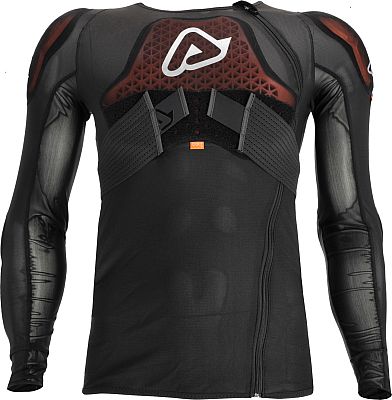
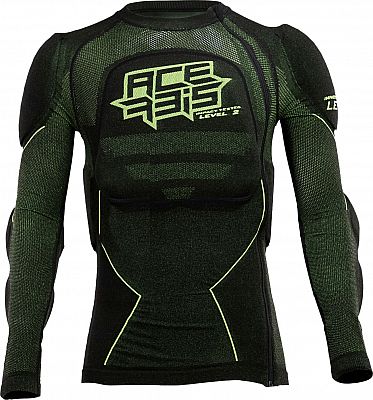
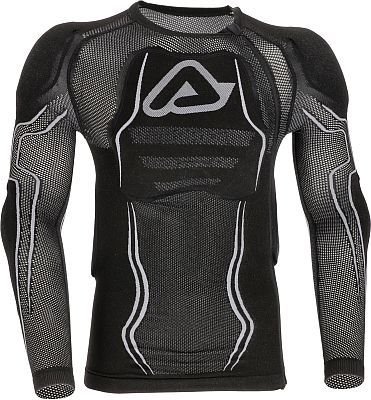
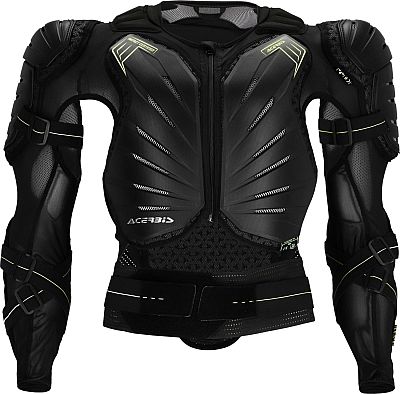
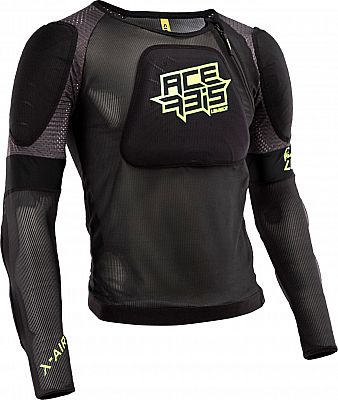
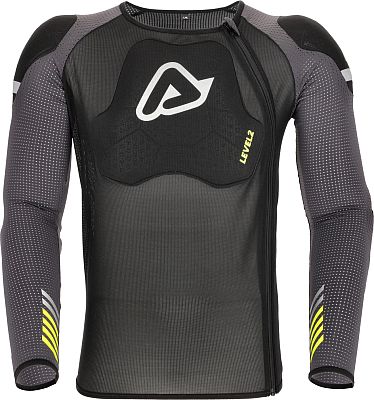
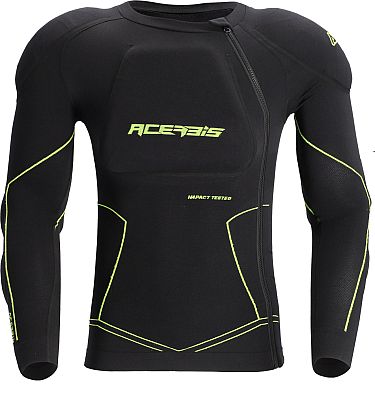
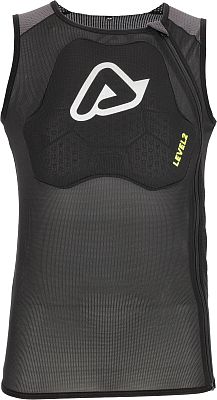
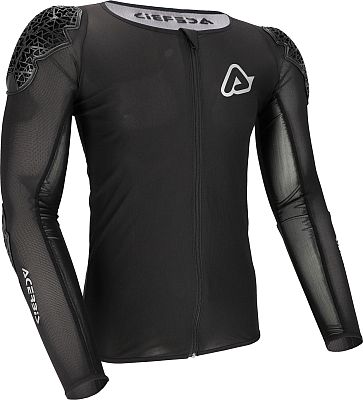
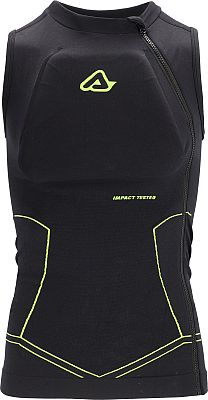
A protective jacket or shirt is the smartest solution for urban bikers. It is a breathable mesh jacket with all the important protectors (back, shoulders, elbows, and often the chest) are already integrated. You can wear any jacket, hoodie, or shirt over it, so you're inconspicuous but still fully protected when you're out and about.
Protection for the legs: hips, knees, and shins
The lower half of the body is also extremely vulnerable in a fall. Modern motorcycle pants offer comprehensive protection solutions for this.
Hip protectors
The inconspicuous guardian angel
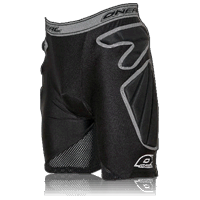
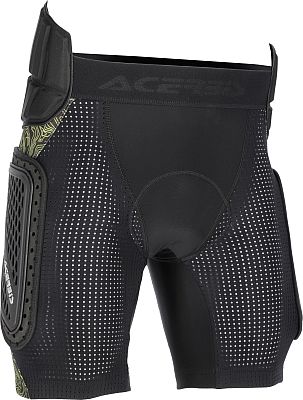
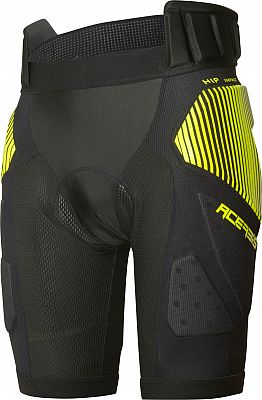
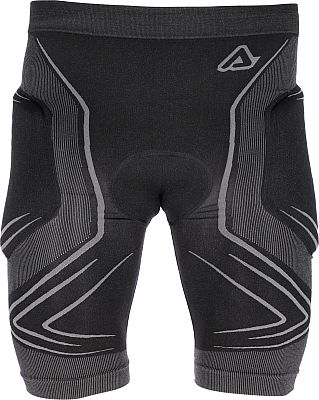
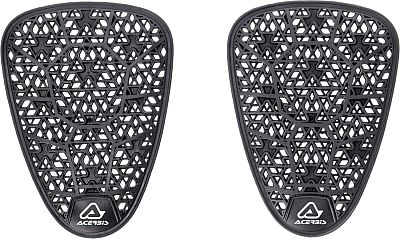
The hips are particularly exposed in sideways skids. Unfortunately, many motorcycle jeans or pants only come with pockets for hip protectors, but the protectors themselves have to be purchased separately. They are usually thin, flexible, and barely noticeable—an absolute must for every responsible biker.
Knee & shin protectors
Protection for complex joints
Integrated protectors
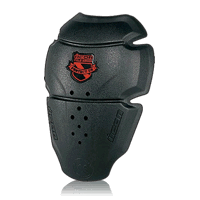
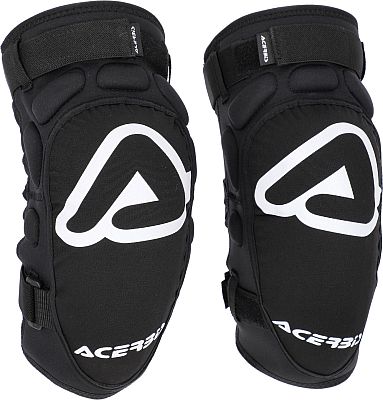
Standard in all good motorcycle pants. The right positioning is important here. Many pants offer height-adjustable pockets so that the protector sits exactly in the middle of your knee when you are sitting on the motorcycle.
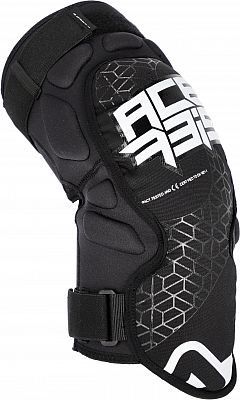
Separate knee pads/orthoses
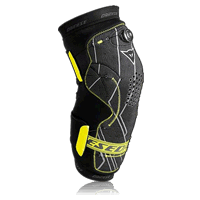
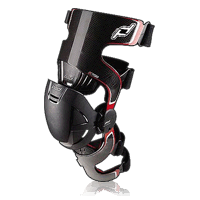
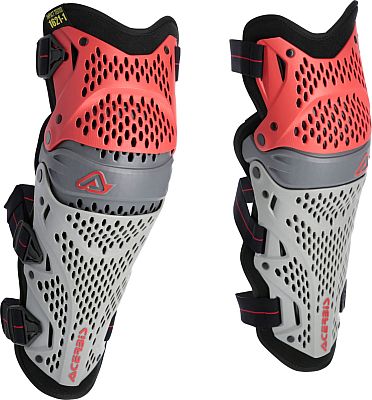
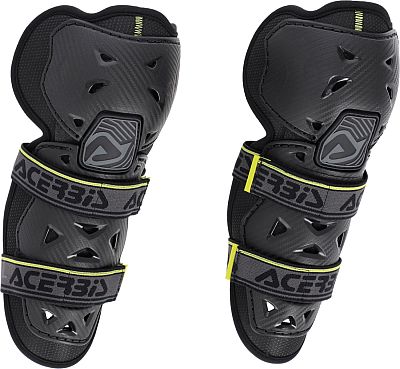
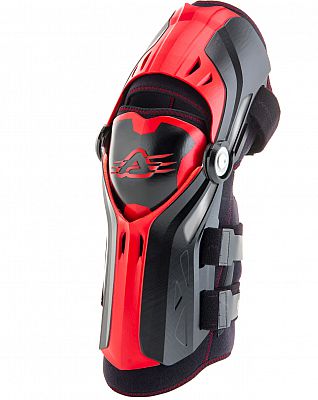
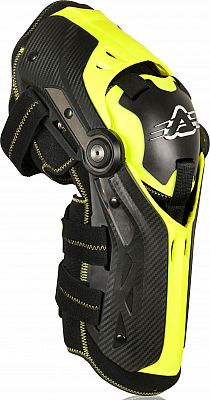
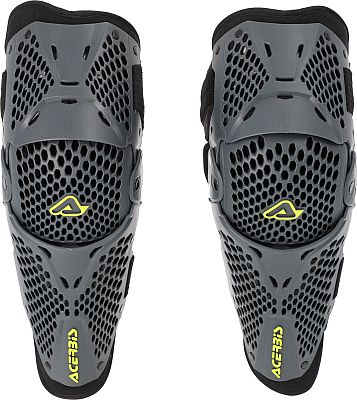
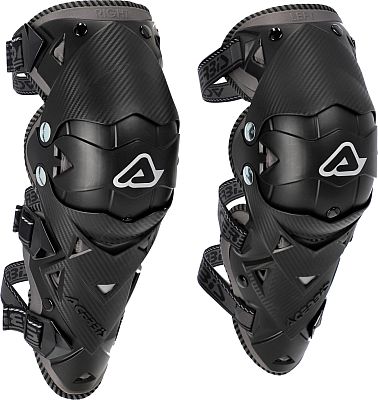
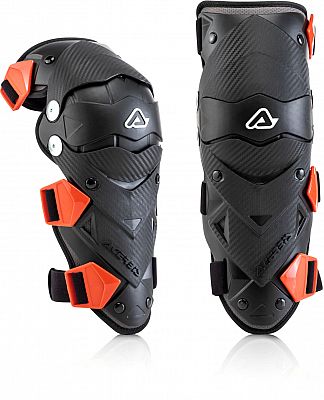
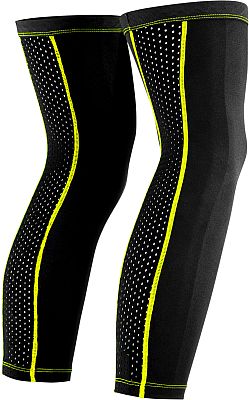
For ambitious off-road or racetrack use, there are separate protectors that are worn under the pants. Knee braces offer the highest level of protection, as they not only protect against impacts but also against dangerous twisting of the knee joint.
Knee sliders
The tool for the race track
Knee sliders are not purely protective parts, but rather functional and wear parts. They are attached to leather suits with Velcro and provide the rider with tactile feedback in extreme lean angles when the knee touches the asphalt.

Special protectors & airbag systems: The premier class of safety
Neck Brace (neck protection)
Protection for the cervical spine
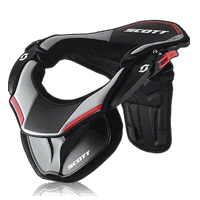
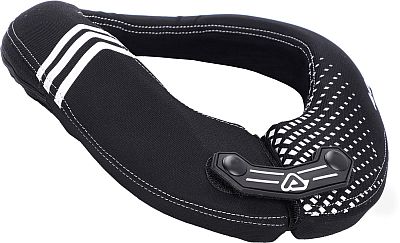
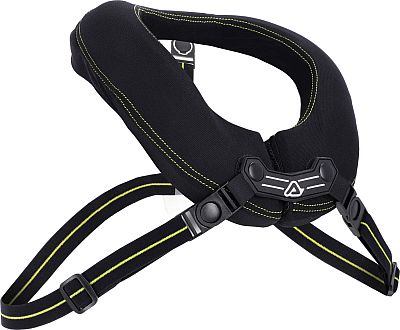
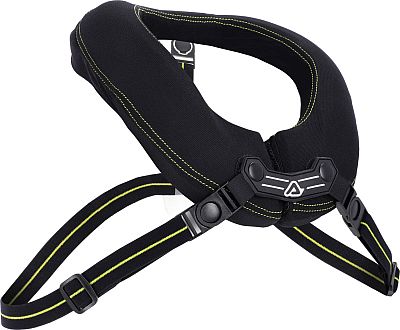
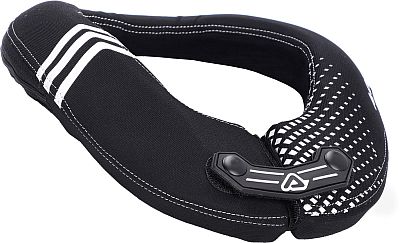
A neck brace is a system that is mainly used in motocross and racing. It is worn around the neck and supported by the upper body. In the event of a fall, it prevents hyperextension of the head and directs the impact energy away from the sensitive neck to the stable upper body.
Airbag vests & systems
The revolution in passive safety
Airbag technology is the biggest leap forward in motorcycle safety since the invention of the helmet. Worn as a vest over or under the jacket, complex sensors and algorithms detect a fall within milliseconds. A gas cartridge then inflates an air cushion that surrounds and protects the entire upper body—chest, back, shoulders, and often the hips— before the impact occurs.
FAQ: Frequently asked questions about motorcycle protectors
1. Are protectors mandatory when riding a motorcycle?
No, with the exception of helmets, there is no legal requirement to wear protectors in Germany. However, it is strongly recommended by all experts and insurance companies.
2. Which is better, Level 1 or Level 2?
Level 2 offers significantly higher safety as it can absorb almost twice as much impact energy. If your budget and comfort allow, upgrading to Level 2 is always the better choice.
3. How should protectors fit?
A protector must cover the body part to be protected exactly and must not be able to slip. A knee protector that hangs off the shin is useless. Clothing must therefore fit snugly enough to keep the protectors in place.
4. What is D3O®? D3O® is a “smart” material. It is soft and flexible in its normal state, but hardens instantly upon impact and absorbs the energy. This makes for very comfortable and unobtrusive protectors.
5. Can I retrofit protectors in any jacket/pants?
You can only retrofit protectors if the clothing has appropriate protector pockets. This is always the case with certified motorcycle clothing.
6. How often should protectors be replaced?
After a serious fall, protectors must always be replaced, even if they appear undamaged, as their internal structure may have been weakened. Even without a fall, soft foam protectors age and should be replaced after approx. 5-7 years.
7. Are hard shell protectors better than soft ones?
Not necessarily. Modern, soft protectors (e.g. from D3O® or SAS-TEC®) often achieve better shock absorption values (level 2) than simple hard shells and are significantly more comfortable.
8. What is the difference between a back protector and a protective vest?
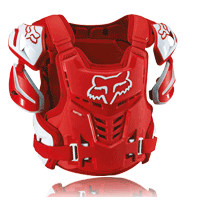
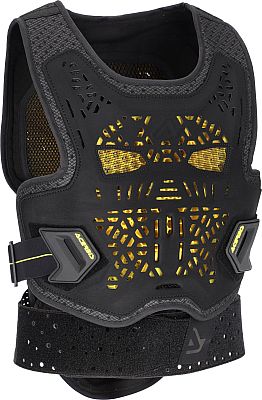
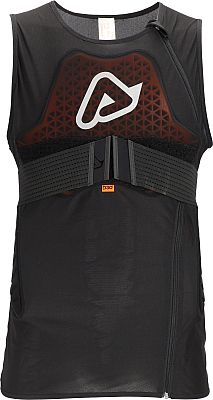
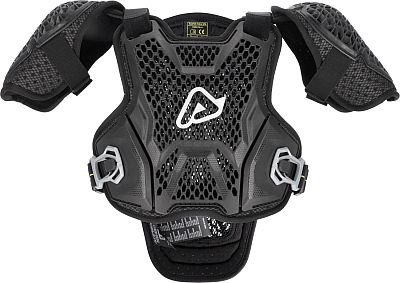
A back protector only protects the spine. A protective vest often also includes a chest protector and sometimes rib protection.
9. Do protectors from one manufacturer fit into the jacket of another?
Sometimes, but not always. The pockets for back, shoulder, and elbow protectors are not standardized. It is best to measure the old protector pocket or choose a retrofit protector from the same manufacturer.
10. Does a back protector protect me from paraplegia?
It significantly reduces the risk of serious spinal injuries by distributing the impact energy. However, it cannot provide a 100% guarantee against any type of injury. Nevertheless, it is the best insurance you can have for your back.
Conclusion: Your armor for every adventure
Modern protective gear is a technological marvel. It is comfortable, breathable, barely noticeable, and can save your life in an emergency.decide the difference between life and injury. Don't see your protectors as a necessary evil, but as a smart investment in yourself and in countless more years of riding enjoyment. Upgrading your standard equipment from Level 1 to Level 2 protectors is one of the most effective and inexpensive safety upgrades you can make.that you can make.
Browse through our huge selection of protectors now and put together your own personal high-tech armor.
Table of contents