


































Cleaner















































































































Filter & sort
Sortierung
Motorcycle cleaners and maintenance products: the ultimate guide to preserving value, protecting your bike, and achieving a perfect shine
Dirt after riding in the rain, insects after a fast summer ride, fine brake dust on the rims—your motorcycle is alive and shows the traces of your adventures. But these traces are more than just a visual blemish. They affect the paintwork, metal, and sensitive technology of your motorcycle. Proper cleaning and care is therefore not an optional hobby for cleaning freaks, but the absolutely crucial basis for maintaining the value, functionality, and safety of your motorcycle and equipment. It is an expression of respect for the machine and a guarantee of long-lasting riding pleasure.
Welcome to your professional maintenance garage. Here you will find not only “cleaning products,” but also highly specialized chemical aids that are precisely tailored to the sensitive surfaces and high demands of motorcycles and high-tech clothing. From powerful but mild motorcycle cleaners and essential chain spray to nourishing leather balm. In this ultimate guide, we take you through the science of perfect maintenance. We explain why dishwashing liquid has no place on paintwork, which products you need for which application, and give you detailed instructions so that your motorcycle and equipment not only look good, but also last longer.

The basics: proper motorcycle cleaning
Regular and thorough washing is the basis of all maintenance measures. It removes harmful dirt and prepares the surfaces for subsequent preservation.
Why a special motorcycle cleaner is indispensable
Aggressive household cleaning agents (dishwashing detergents, all-purpose cleaners) are toxic to your engine. They contain grease solvents that not only remove dirt, but can also wash away any protective wax coating and important lubricating grease from bearings and hinges. In addition, they can attack unpainted aluminum parts, plastics, and rubber, making them brittle. A special engine cleaner is acid-free, material-friendly, and formulated to powerfully remove dirt without damaging sensitive surfaces.
The perfect hand wash: step by step to a shiny result
Preparation: The motorcycle should be parked in the shade and the engine should have cooled down.
Rough pre-cleaning: Rinse the entire motorcycle with a soft water jet (never use high pressure!) to remove loose dirt and dust.
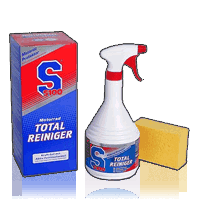
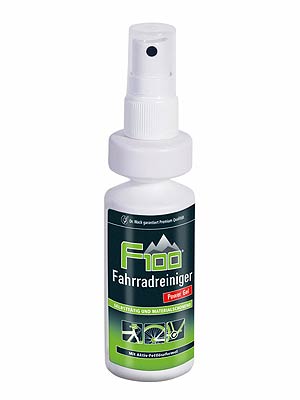
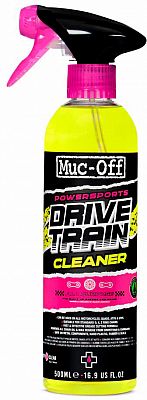
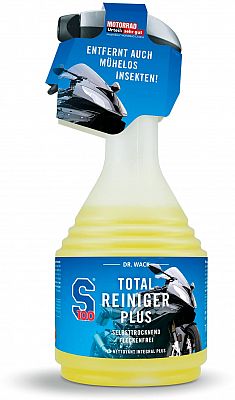
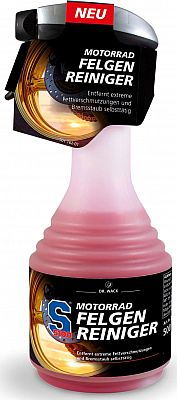
Spraying: Spray the dry or slightly damp motorcycle completely with a high-quality complete motorcycle cleaner. For particularly stubborn stains, such as rims or the rear swing arm, a special cleaner may be necessary.
Leave to soak in: Leave the cleaner to soak in for a few minutes (follow the manufacturer's instructions), but never allow it to dry in direct sunlight.
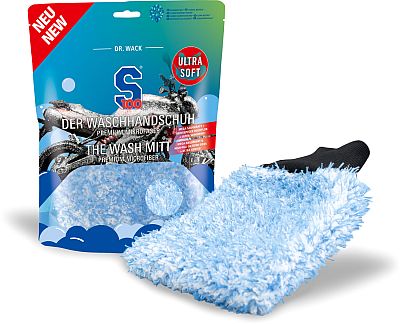
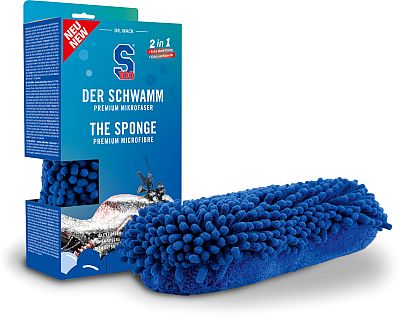
Manual cleaning: Rub the cleaner in from top to bottom with a soft wash mitt or sponge. Use separate, special brushes for hard-to-reach areas and rims.
Rinsing: Rinse the motorcycle thoroughly with clean, clear water until all traces of cleaning agent have been removed.
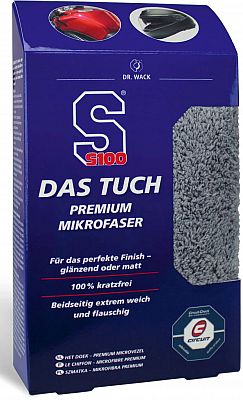
Drying: Dry the motorcycle with a soft, absorbent microfiber cloth or leather cloth to prevent water spots and limescale deposits.
Product example: Revit Textil Wash-in impregnation
Organic textile impregnating agent to restore water-repellent properties.
The heart of the drive: Essential chain maintenance
The drive chain is one of the hardest working parts of your motorcycle. Without proper maintenance, the entire, expensive chain set will wear out in record time. Maintenance consists of two crucial steps.
Step 1: Cleaning
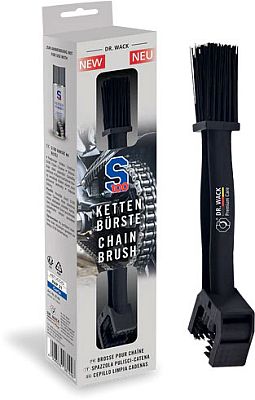
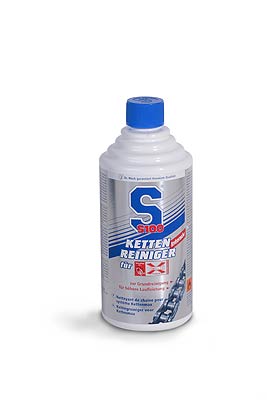
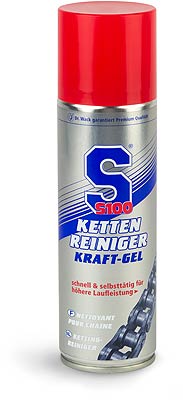
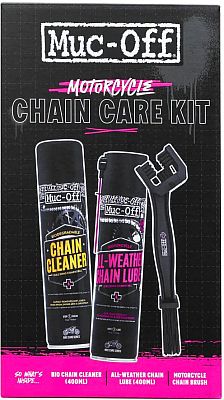
First, the dirt must be removed. Spraying new chain spray on a dirty chain is the biggest mistake you can make. The dirt and sand mix with the fresh grease to form an aggressive abrasive paste, which significantly accelerates wear. Therefore, clean the chain thoroughly every 1,000 to 2,000 kilometers with a special chain cleaner and a chain brush.
Step 2: Lubrication
The protective film for your chain After cleaning (and a short drying time), the chain must be lubricated again.
When & how? It is best to always do this after riding, when the chain is still warm. The spray is then thinner and penetrates better into the fine hinges. Spray the chain spray sparingly on the inside of the chain while slowly turning the rear wheel. Due to centrifugal force, it will spread outwards by itself while riding.
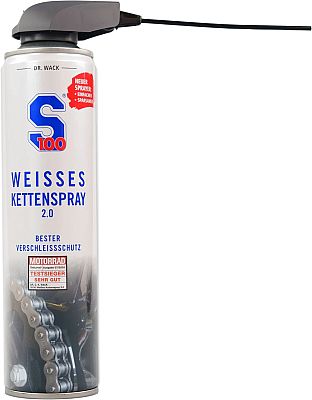
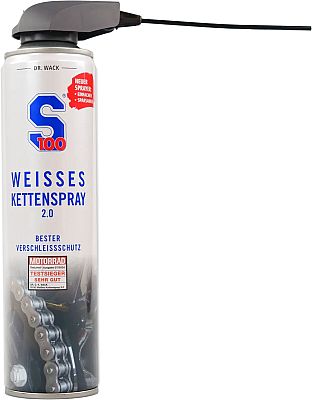
Product example: S100 2.0 White Chain Spray
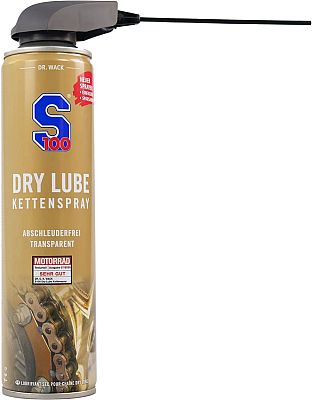
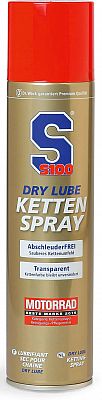
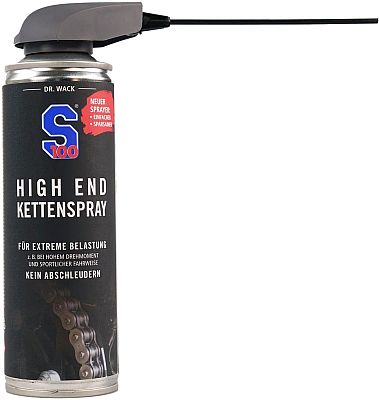
The S100 2.0 White Chain Spray is an absolute classic. It offers excellent adhesion and lubrication properties and is easy to apply thanks to its white color.& nbsp;
Your second skin: the right care for your clothing
Your high-tech equipment needs high-tech care to maintain its protective function and value.
Leather clothing: nourish, protect, keep supple
Leather is a natural product. Without maintenance, it dries out in the sun, wind, and rain, becomes hard and brittle, and loses its protective properties.
Cleaning: After each ride, remove dirt and insect remains with a damp cloth.
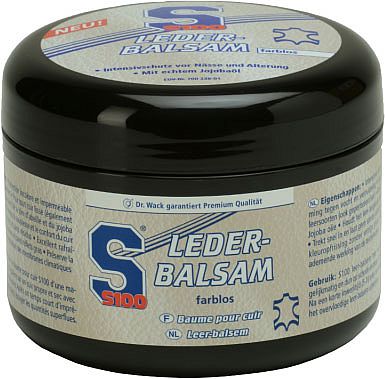
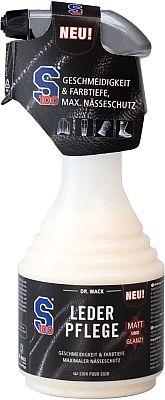
Maintenance: Treat the leather regularly (at least 2-3 times per season) with a special leather balm. This will restore the oils and nutrients the leather needs to remain soft and strong.
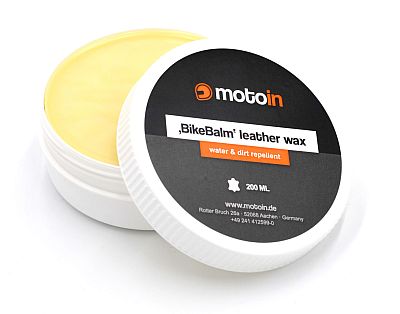
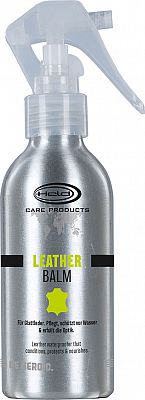
Product example: motoin BikeBalm leather balm
Motoin BikeBalm leather balm, based on beeswax, is a nourishing care product that penetrates deep into the leather and protects it.
Textile clothing: maintain breathability, renew moisture protection
The climate membrane in your textile jacket is a marvel. But its pores can become clogged with dirt and sweat.
Cleaning: Wash your textile clothing regularly with a special functional detergent. This cleans the membrane without clogging the pores and restores its full breathability. Normal detergents and fabric softeners are taboo!
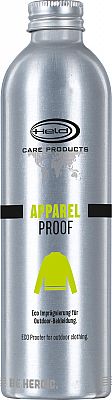
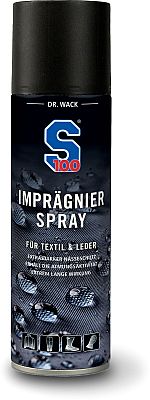
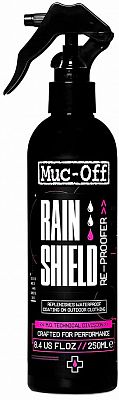
Impregnation: The water-repellent outer layer of your jacket loses its effectiveness over time. A spray-on impregnating agent restores this beading effect and prevents the outer fabric from absorbing water.
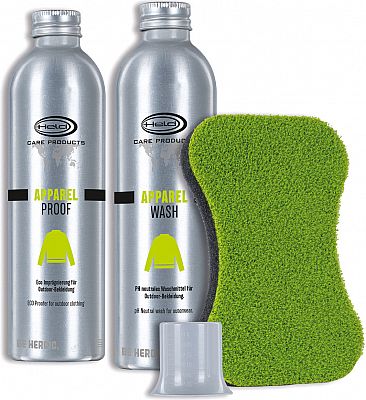
Product example: Held Storm Care textile cleaning set
The Held Storm Care textile cleaning set contains everything you need for professional cleaning and impregnation of your textile clothing.
Helmet & visor: maintenance for clear vision
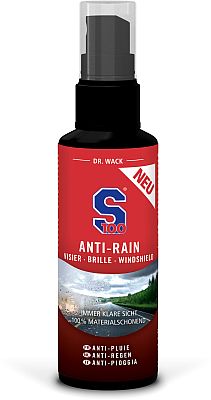
Your visor is an extremely sensitive surface, often with a scratch-resistant or anti-fog coating.
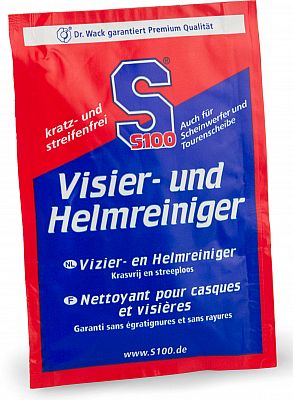
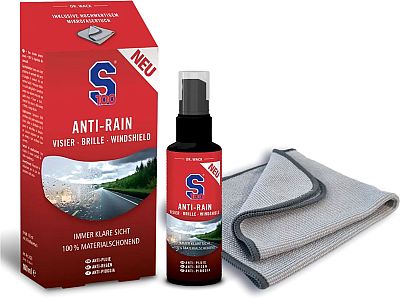
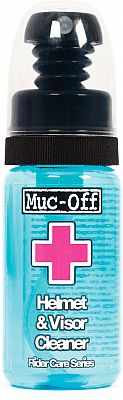
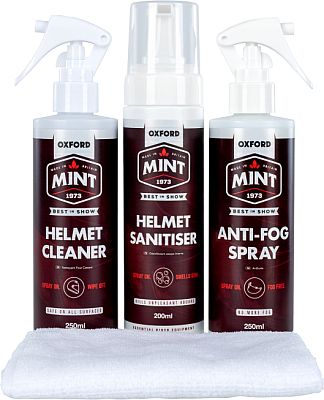
Cleaning: Never use aggressive glass cleaners or dry paper towels! Moisten soft insect remains with a damp microfiber cloth and then wipe them away carefully. Special visor and helmet cleaners are the safest choice, as they do not damage the coatings and material of the helmet shell.
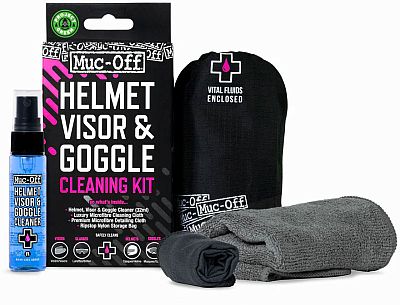
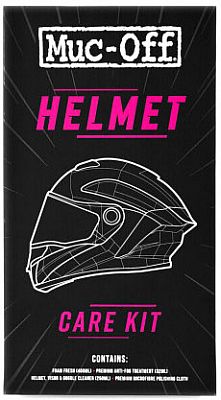
Product example: Muc-Off visor and helmet cleaning kit
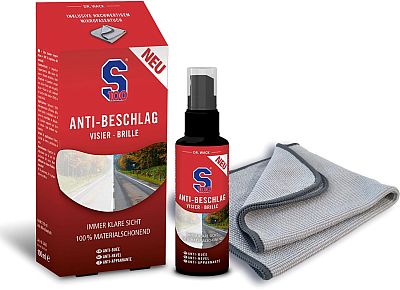
The Muc-Off visor and helmet cleaning kit is a complete set with a mild cleaner, an anti-fog agent, and a microfiber cloth for a perfect, streak-free view.
FAQ: Frequently asked questions about cleaning and care products
1. Can I wash my motorcycle with a high-pressure cleaner?
This is strongly discouraged! The hard water jet can force water into wheel bearings, swing arm bearings, and electrical connectors. It can also bend sensitive cooling fins and damage stickers.
2. How often should I clean my motorcycle?
That depends on how you use it. Coarse dirt, insect remains, and especially salt in winter should be removed as soon as possible, as these can damage the paintwork and metal.
3. What is the difference between chain spray for on-road and off-road use?
Chain spray for road use is designed for maximum adhesion so that it does not spray off at high speeds. Off-road chain spray is often thinner and has lower adhesion, so that sand and dust stick less strongly.
4. Can I wash my textile jacket with regular detergent?
No. Regular detergent and especially fabric softener can clog the pores of the climate membrane and permanently impair its breathability.
5. How do I remove scratches from my visor?
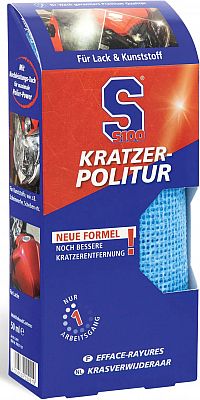
Fine micro-scratches can sometimes be removed with special acrylic polishes. Deeper scratches, especially in the field of vision, pose a safety risk. In that case, the only solution is to replace the visor.
6. Do I need to impregnate my leather suit?
Yes, regular treatment with a leather impregnation spray makes the surface more water-repellent and prevents the leather from quickly becoming saturated in the rain.
7. How do I store maintenance products correctly?
In a cool, dry, and frost-free place, out of the reach of children.
8. What should I do if the paintwork is dull?
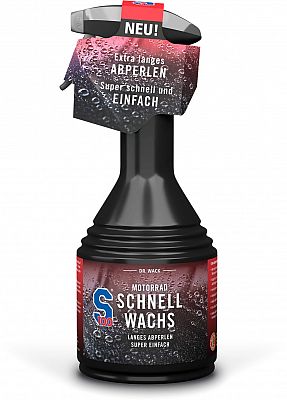
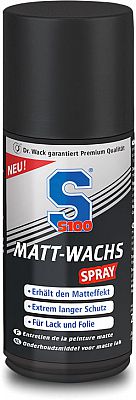
Never use normal polishes on dull paintwork! These contain abrasive particles that polish the dull surface and give it a greasy shine. There are special cleaning agents and waxes that have been specially developed for dull paintwork.
9. How often should I clean the chain?
Thorough cleaning is recommended every 1,000 to 2,000 kilometers, or when the chain is very dirty.
10. My helmet smells unpleasant. What can I do?
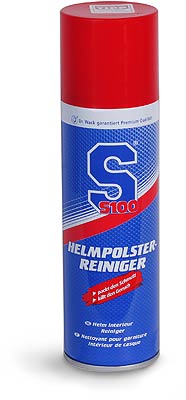
With many helmets, the inner lining can be removed and washed by hand. For quick help in between, there are special cleaning sprays for helmet linings that have an antibacterial effect and neutralize odors.
Conclusion: maintenance is performance, maintenance is value retention
Proper and regular maintenance of your motorcycle and equipment is one of the most rewarding activities you can do as a motorcyclist. It is not only meditative, but also a direct investment in your safety, your comfort, and the value of your machine. With the right specialized products, you can ensure that every part—from the chain to the climate membrane—performs exactly as it was designed to.
Give your passion the shine it deserves.
Table of contents