















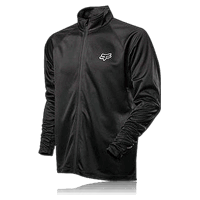
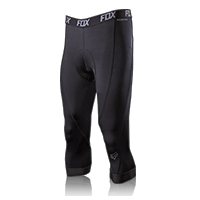
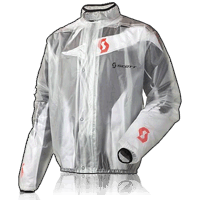
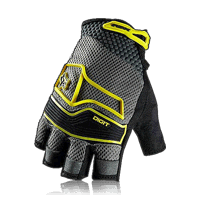
















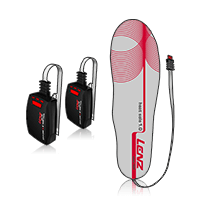
Thermals




























































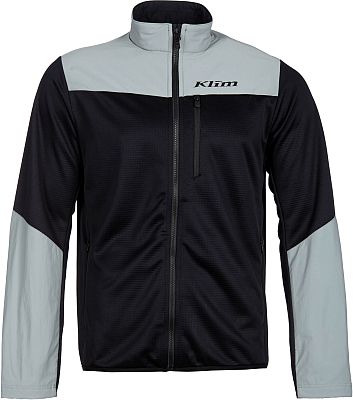


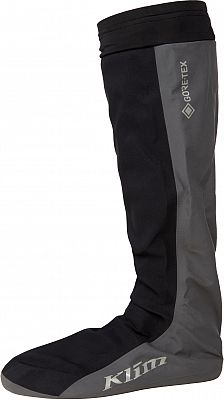

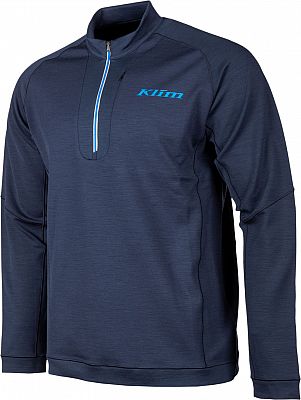


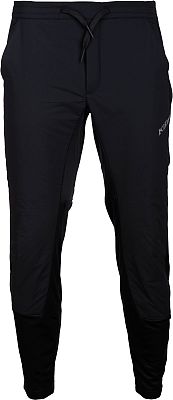














































Filter & sort
Sortierung
Functional clothing: Your guide to the invisible layer for maximum comfort and performance
Your expensive motorcycle jacket is waterproof, your leather suit is extremely safe—but do you still feel clammy after a short time, freeze in the cold, or stick to your own skin in the heat? Then you are missing the crucial foundation, the invisible first layer that determines your well-being and concentration on the bike: the right functional clothing. It is the often underestimated hero of your equipment, working tirelessly directly on your skin to regulate your body temperature.
Modern functional clothing is a high-tech science in itself. It is your personal climate management system, keeping you warm when it's cold, cool when it's hot, and above all, dry. From moisture-wicking base layer shirts to windproof balaclavas to perfectly fitting functional socks– every piece has a specific mission. In this ultimate guide, we unlock the secret of the onion principle, guide you through the different materials and technologies, and show you how to get the most comfort out of every one of your tours with the right basic equipment.

The secret to comfort: Why functional clothing is crucial
Many bikers make the mistake of wearing a simple cotton T-shirt under their expensive gear. This is a sure-fire way to feel uncomfortable and get cold. Here's why special functional underwear makes all the difference.
Enemy No. 1: Sweat on the skin
Your body sweats to cool itself down – this is a natural process. A cotton shirt absorbs this sweat like a sponge and stores it directly on your skin. As soon as you stop at a traffic light or the wind picks up, this moisture creates what is known as evaporative cooling. Your body cools down abruptly, you start to feel cold, your muscles cramp up, and your concentration wanes.
The superpower: Active moisture transport
This is where functional clothing shows off its superpower. Special synthetic fibers (such as polyester and polyamide) or natural fibers such as merino wool do not absorb moisture. Instead, they absorb sweat from your skin and actively and quickly transfer it to the next layer of clothing, where it can evaporate. The result: your skin stays significantly drier, evaporative cooling is prevented, and your body temperature remains stable.
The onion principle: your modular system for all weather conditions
The smartest way to dress for motorcycling is to use the layering principle. Functional clothing always forms the first and often the second layer.
| Layer | Function & purpose | Example material |
|---|---|---|
| 1. Base layer | The foundation. Lies directly on the skin. Main task: Wicks moisture away from the body to keep you dry. | Synthetic (polyester, polypropylene), merino wool, silk. |
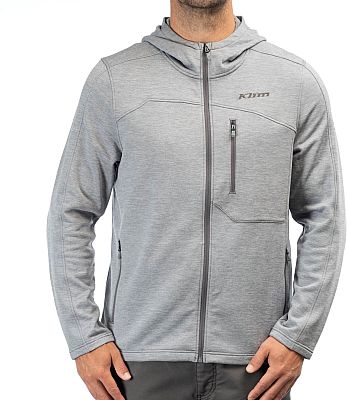
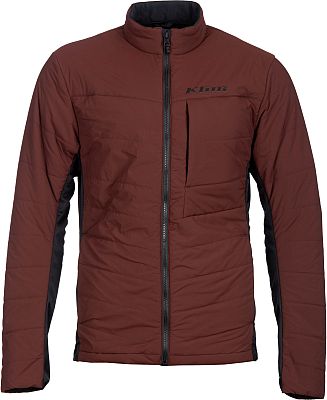
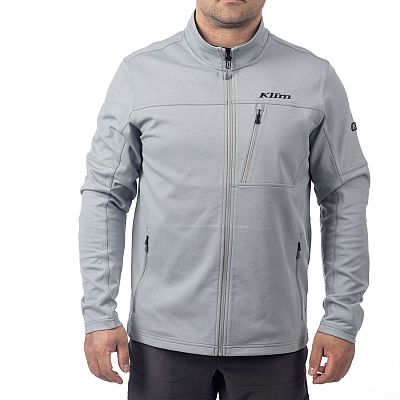
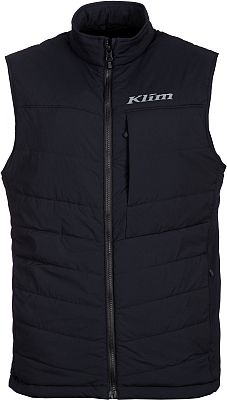
| 2. Midlayer | The insulation layer. Worn over the base layer. Main function: Retains heat and blocks cold from outside. | Fleece, softshell, thin down or synthetic fiber jackets. |
| 3. Shell layer | The protective shield. Your actual motorcycle jacket. Main function: weather protection (wind, rain) and abrasion protection. | Leather, textile (Cordura®) with or without climate membrane. |
Your guide to functional clothing: From head to toe
Baselayer: Shirts & pants – your second skin
Summer baselayer: cooling and comfort
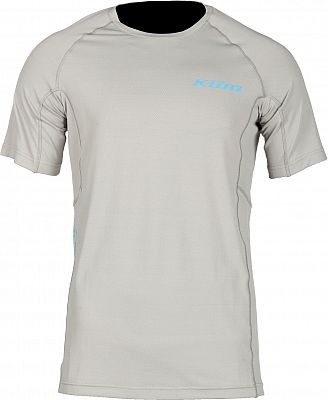
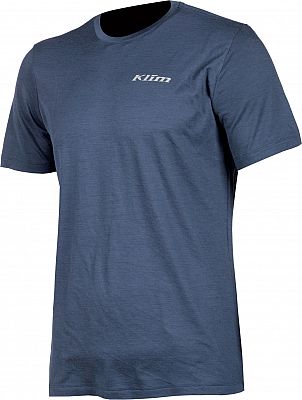
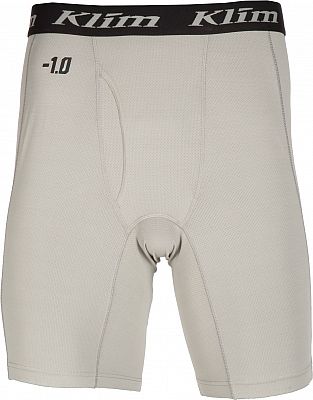
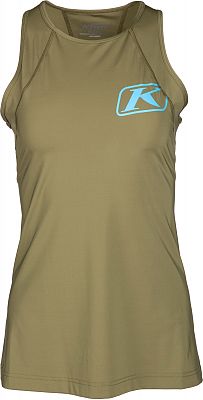
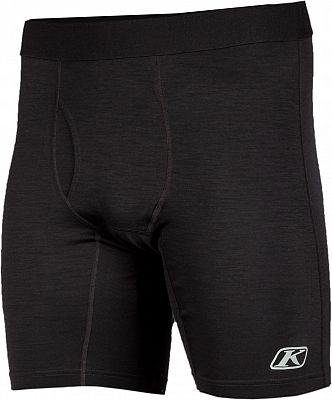
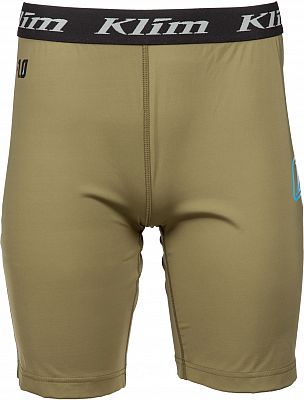
In summer, it's all about staying cool and dry. Thin, sleeveless or short-sleeved shirts and short underwear made from moisture-wicking fibers are ideal here. They prevent the lining of your jacket or pants from sticking uncomfortably to your skin.
Winter base layers: warmth without bulk
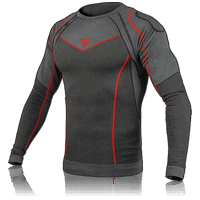
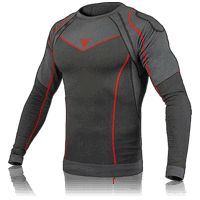
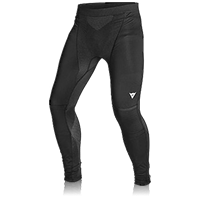
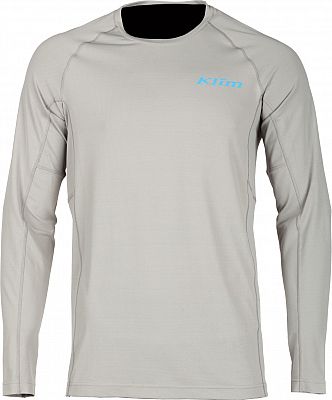
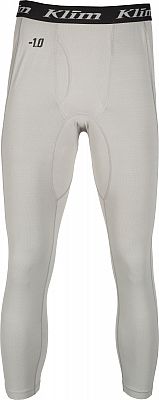
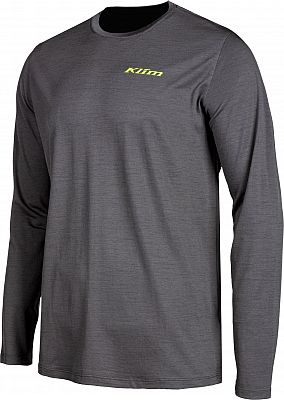
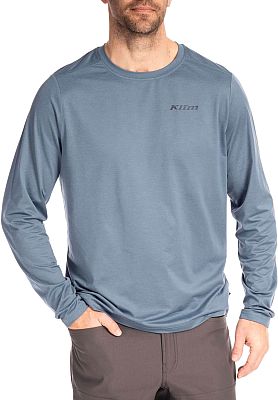
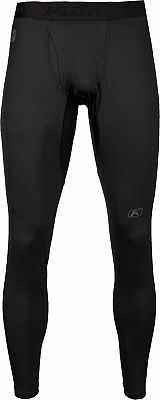
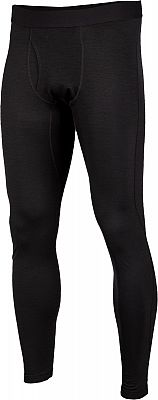
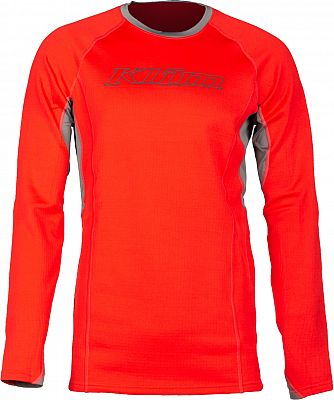
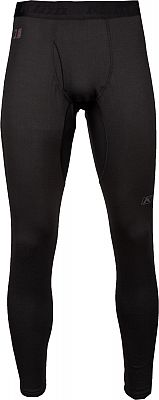
In winter, the base layer has to fulfill two tasks: wick away moisture AND insulate. Long-sleeved shirts and long underwear made from materials such as merino wool or special thermal synthetic fibers are the first choice here.
The all-rounder: The undersuit
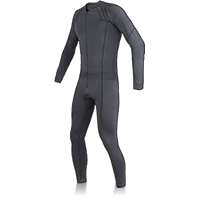
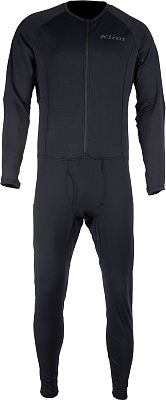
Specially designed to be worn under tight leather suits, a one-piece undersuit makes getting dressed and undressed much easier. Its smooth material glides effortlessly under the leather and prevents uncomfortable “sticking” to the skin.
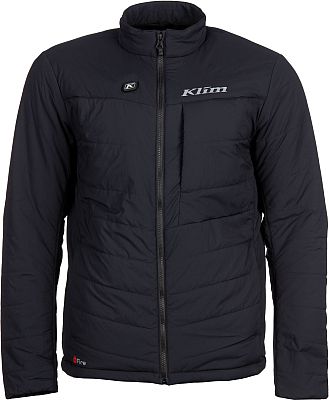
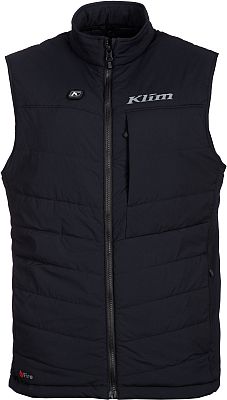
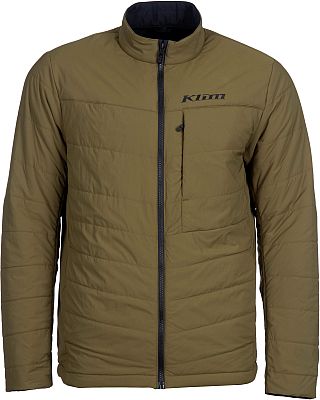
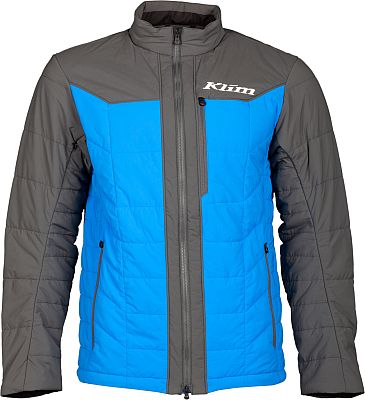
Midlayer: Your flexible heating system
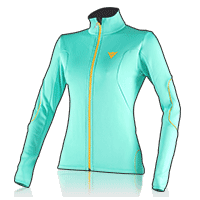
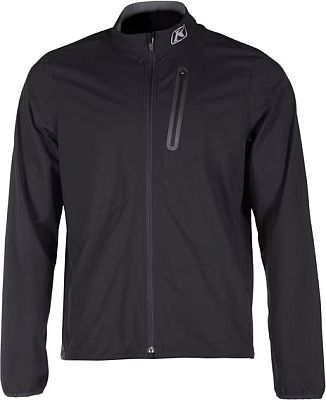
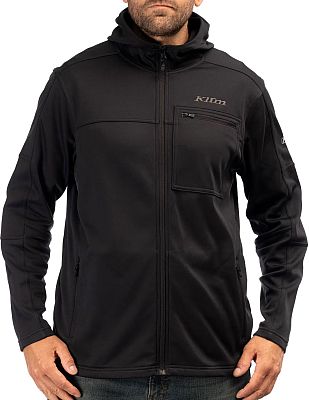
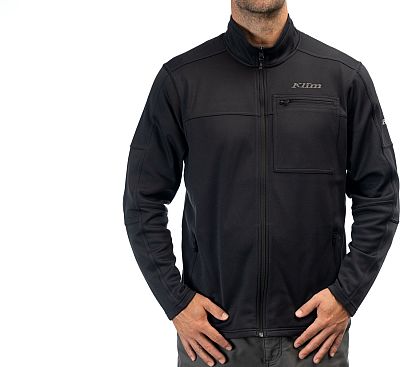
Description: The midlayer is your variable insulation layer. You wear it on cool mornings and pack it away when the midday sun shines. A good midlayer jacket is thin, lightweight, warm, and has a small pack size.
Neck & Headwear: Closing the gap in the system
The sensitive area between your helmet and jacket collar is often a cold bridge. The right accessory can make a significant difference in comfort.
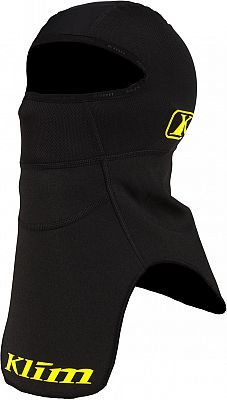
The balaclava: Complete protection
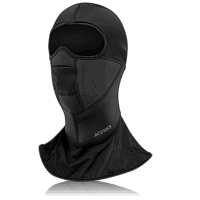
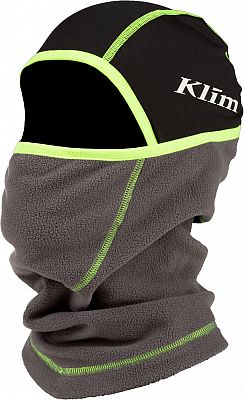
A balaclava not only protects your neck, but also your face and head from the cold wind. It prevents your helmet from becoming uncomfortably cold and keeps your head warm. It also has hygienic benefits, as it absorbs sweat and protects the helmet padding.
The multifunctional scarf (tube scarf): The flexible all-rounder
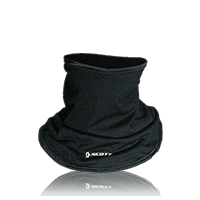
A tube scarf is probably the most versatile accessory of all. It can be worn as a neckerchief, headband, hat, or makeshift balaclava. It is the perfect, lightweight companion for any trip.
Functional socks: The basis for warm and dry feet
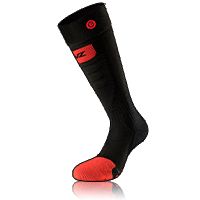
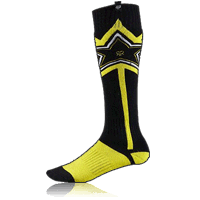
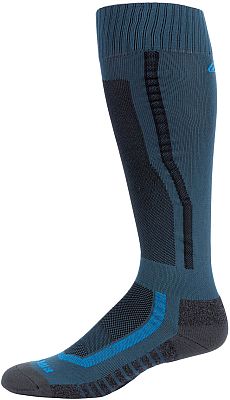
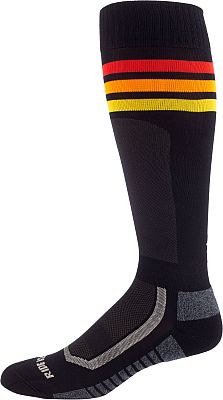
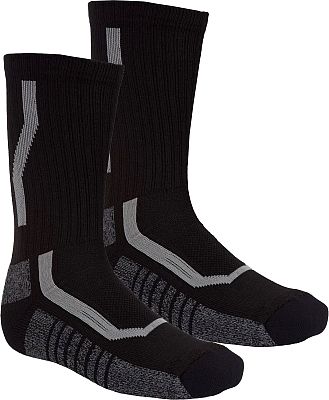
Description: What applies to the upper body also applies to the feet. Cotton socks soak up sweat and inevitably lead to cold and wet feet. High-quality functional socks transport moisture away from the foot and keep them dry. Special padding at pressure points (shin, ankle, heel) increases comfort in tight motorcycle boots.
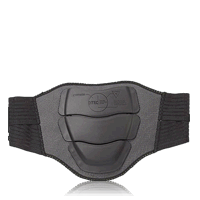
The kidney belt: protection, support, and warmth
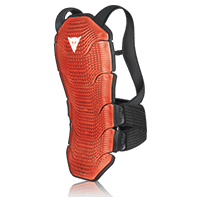
Description: The kidney belt is an often underestimated classic. It fulfills three important functions: it protects the kidneys and lower back from cooling down due to the wind, it supports the lumbar spine on long journeys, and it can offer slight protection against bruising in the event of a fall.

FAQ: Frequently asked questions about functional clothing
1. Why not wear cotton on a motorcycle?
Cotton absorbs sweat and retains it. The moisture on the skin causes rapid cooling due to the wind chill (evaporative cooling). This is uncomfortable and dangerous.
2. What is the difference between functional underwear for summer and winter?
Summer functional underwear is very thin and designed for maximum moisture transport and ventilation.Winter functional underwear is thicker (e.g., made of thermal fabrics or merino wool) and has an additional insulating function to keep the body warm.
3. Which is better: merino wool or synthetic?
That's a philosophical question. Synthetics dry extremely quickly and are very robust. Merino wool offers unmatched natural climate control, keeps you warm even when wet, and is odor-neutral. Merino is often the better choice for multi-day tours.
4. How do you wash functional clothing properly?
On a gentle cycle at 30°C or 40°C with a special functional detergent. Never use fabric softener! It clogs the pores of the fabric and destroys its moisture-wicking properties.
5. Do I really need a balaclava?
It is one of the greatest comfort gains on cold days. It prevents your head from getting cold, protects your face from icy winds, and keeps your helmet padding clean and fresh for longer.
6. Is a multifunctional scarf sufficient for neck protection?
For most conditions in the transitional period, yes. For real winter use in sub-zero temperatures, a windproof balaclava offers significantly better protection.
7. What is the purpose of an undersuit under a leather suit?
It makes it much easier to put on and take off the tight leather suit, as the smooth material does not rub against the skin. It also ensures better climate management under the leather.
8. How tight should functional underwear fit?
It must fit close to the body in order to effectively absorb and wick sweat away from the skin. It should feel like a second skin, but not restrict blood circulation.
9. Do you wear anything under the base layer?
No, the base layer is the first layer and is worn directly on the skin (over normal underwear if necessary).
10. My kidney belt always slips up. What am I doing wrong?
It is probably too loose. A kidney belt must fit relatively tightly around the waist (above the pelvic bone) in order to provide support and stay in place.
Conclusion: The smart foundation for every ride
Your outer protective clothing can only play to its strengths if the foundation is right. Functional clothing is this foundation. It is the invisible, but crucial layer that determines your comfort, your concentration, and ultimately your safety on the motorcycle. With the right layering system made from clever materials, you are prepared for any weather and can concentrate fully on what matters: the adventure on two wheels.
Equip yourself properly from the inside out and experience a whole new level of riding comfort.
Table of contents