
































Pants















































































































Filter & sort
Sortierung
Motorcycle pants: Your ultimate guide to leather, textile, and jeans
Your legs work extremely hard on a motorcycle. They keep you on the footrests, give you a feel for the bike in corners, and are often the areas that have the longest contact with the asphalt in the event of a fall. Normal jeans from your wardrobe offer no protection whatsoever and would tear in a fraction of a second in the event of a slide. Genuine motorcycle pants are therefore not an option, but an absolutely essential foundation for your safety and comfort. They are your armor for the lower body, packed with abrasion-resistant materials and impact-absorbing protectors.
But today, the world of motorcycle pants is more diverse than ever before. Are you looking for the uncompromising safety of leather pants for sporty cornering? The unbeatable all-weather suitability of textile pants for long journeys? Or the casual look of motorcycle jeans that no one in the office will recognize as protective gear? In this ultimate guide, we take you through all the different materials. We explain the key advantages and disadvantages, present the best models for every purpose, and help you find the pants that are perfect for you and your bike.

The basic decision: Which material for which rider?
Choosing the right material is the first and most important step on the way to finding the perfect pants. Each material has its own specific superpowers.
| Criterion | Leather Pants | Textile Pants | Motorcycle Jeans |
|---|---|---|---|
| Abrasion Protection | Unmatched. Offers the highest resistance during long slides on asphalt. | Very good. Modern textiles like Cordura® are extremely durable, though usually not quite at the level of leather. | Very good. High-performance fibers such as Aramid (Kevlar®) or XTM-Fiber® provide abrasion protection often comparable to textile. |
| Weather Protection | Limited. Only wind-resistant. Not waterproof and absorbs water when it rains. | Excellent. Often available with integrated waterproof climate membranes (Gore-Tex, etc.). | Limited. Usually only water-repellent, but there are also models with membranes. |
| Climate Comfort | Good in dry conditions. Perforated models are ideal for summer. Less suitable in cold and wet weather. | Excellent & Flexible. Thanks to membranes, thermal liners, and ventilation openings, suitable for all seasons. | Good. More breathable than leather, but without ventilation openings, warmer than mesh textile pants in hot weather. |
| Fit & Style | Sporty & Tight. Fits like a second skin. Clear racing look. | Comfortable & Functional. Usually cut looser for greater freedom of movement and comfort on long tours. | Casual & Everyday. Looks and feels like regular jeans. Perfect for urban use. |
| Care | Demanding. Requires regular cleaning and maintenance with leather grease. | Easy-care. Usually machine washable (without protectors). | Easy-care. Washable like regular jeans (follow manufacturer’s instructions). |
The different types of pants in detail
Now that you have a rough idea of the material, let's dive deeper into the specific worlds.
Leatherpants: The choice of sports riders

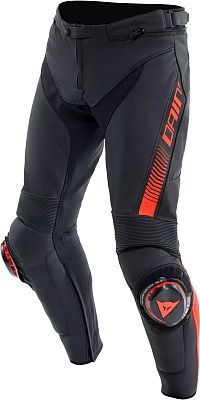
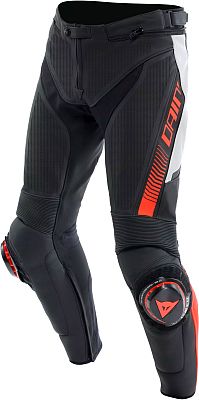
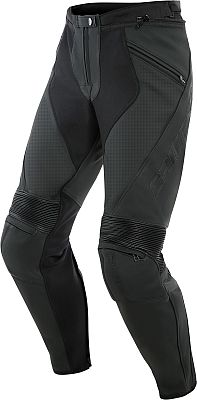
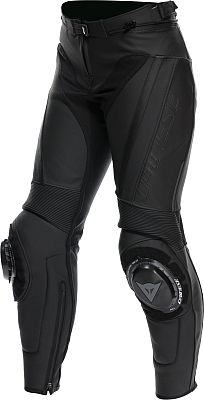
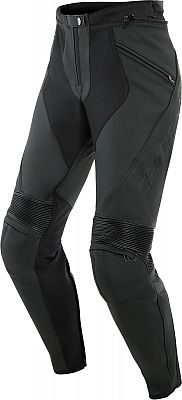
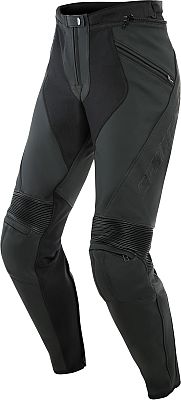
Description: Leather pants are the direct link to the racetrack. Their DNA is pure performance. The skin-tight fit, pre-shaped knee areas, and extremely high abrasion resistance make them the first choice for anyone who enjoys a sporty riding style. They form the lower half of the classic leather suit and are usually connected to the matching jacket with a long zipper.
Features: Knee protectors and often hip protectors are standard. Replaceable knee sliders are the trademark for racetrack use. Stretch inserts in the back of the knees and in the crotch provide the necessary mobility for “hanging off.”hanging off."
Product example: Alpinestars Missile V3 leather pants
These pants are a prime example of modern sports pants. They are compatible with the Tech-Air® airbag system and offer maximum safety with their race-proven protectors and sliders.
Textile pants: The unbeatable all-rounder

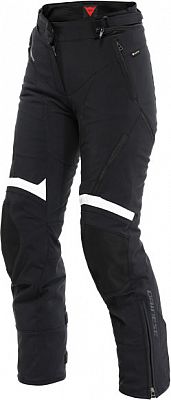
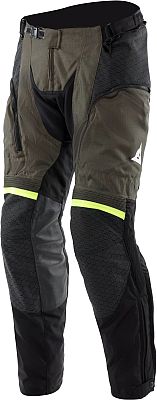
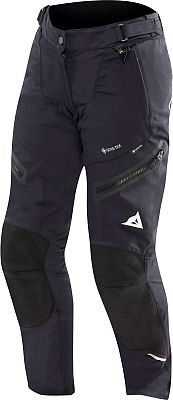
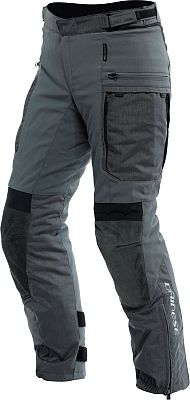
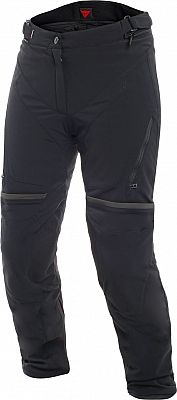
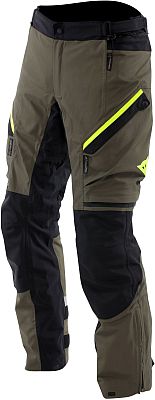
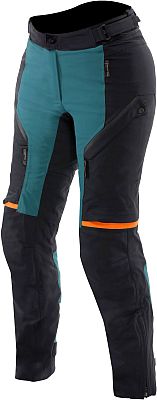
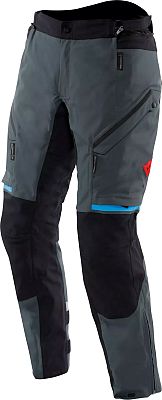
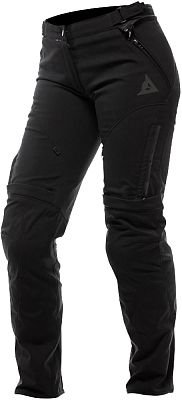
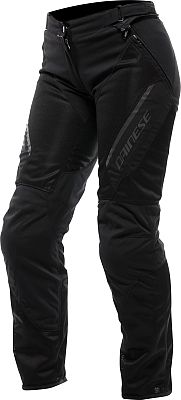
Description: Textile pants are the epitome of versatility. They are the faithful companion for world travelers, daily commuters, and weekend tourers. Their greatest strength is their ability to adapt to any weather conditions. Thanks to a removable thermal lining and waterproof climate membrane, they cover a huge temperature range.
Features: Large ventilation openings for summer, lots of practical pockets, a long connecting zipper, and a robust construction are its hallmarks.
Product examples:
For the big trip: Held Arese Gore-Tex textile pants
These are an example of high-end touring pants with the proven Gore-Tex membrane, which guarantees waterproofness and breathability.
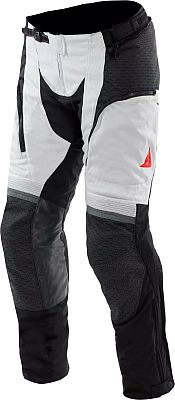
For hot summers: IXS Tourster BigAir 1.0 textile pants
These pants are designed for airflow. Their huge mesh inserts allow the wind to pass through unhindered and ensure maximum cooling without compromising on the safety of the protectors.
Motorcycle jeans: protection with an everyday look

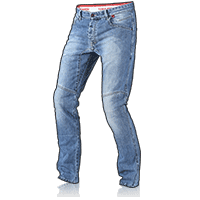
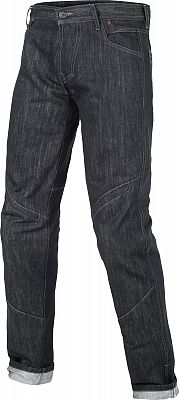
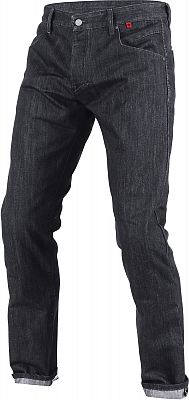
Description: Motorcycle jeans are a revolution for urban bikers. From the outside, they look like fashionable jeans, but inside (or integrated directly into the fabric) is invisible armor made of high-tech fibers such as aramid (e.g., Kevlar®). They are the perfect solution for commuting to work, going to college, or meeting friends without having to change clothes.
Features: In addition to the abrasion-resistant material, they are always equipped with pockets for knee and hip protectors. The knee protectors are often accessible from the outside and height-adjustable to allow for perfect positioning.
Product example: John Doe Taylor Mono Jeans
This is a perfect example of modern “single-layer” jeans. Here, the protective XTM Fiber® is woven directly into the denim. The result is lightweight, comfortable jeans that still achieve the high AA protection rating.
Buying advice: How to find your perfect pants
Understanding protection classes: What do A, AA, and AAA mean?
The European standard EN 17092 is your guide to safety.
Class A: Basic protection. Suitable for urban traffic.
Class AA: High protection. The standard for good touring textile pants and high-quality motorcycle jeans.
Class AAA: Highest protection. The level of racing leather pants.
The fit: The key to safety and comfort
Leather pants: Must fit extremely tightly! They will stretch and adapt to your body.
Textile pants: Should fit snugly so that the protectors don't slip. But make sure you have enough room for functional or thermal underwear.
Motorcycle jeans: Should fit like your favorite jeans – comfortable, but not too baggy. It is important to test them in the riding position: the legs must be long enough to cover your ankles when you are on the bike.
Protectors: Gear up where it counts!
All good motorcycle pants should have CE-certified knee and hip protectors or at least offer the option of retrofitting them. Upgrading to flexible Level 2 protectors (e.g. from D3O® or SAS-TEC®) not only increases safety, but often also improves comfort.
FAQ: Frequently asked questions about motorcycle pants
1. Which is better, leather or textile pants?
Leather is unbeatable for maximum protection when riding sportily. Textile is superior for versatility and weather protection when touring and in everyday use.
2. How safe are motorcycle jeans?
High-quality, certified motorcycle jeans (class AA) with aramid fibers offer very high abrasion protection comparable to that of good textile pants. They are many times safer than normal jeans.
3. Do motorcycle pants have to be tight-fitting?
Yes, especially around the joints. This is the only way to ensure that the protectors remain in place in the event of a fall and can provide protection.
4. What should you wear under motorcycle pants?
Special functional underwear is best. It wicks away sweat and prevents the lining from sticking to the skin. Thermal underwear is ideal in winter.
5. Are all textile pants waterproof?
No. Only models with an explicitly labeled climate membrane (e.g., Gore-Tex, Drystar). Pure summer or mesh pants are not waterproof.
6. My knee protectors don't fit properly. What can I do? Look for pants with height-adjustable protector pockets. This allows you to adjust the position of the protectors perfectly to your leg length.
7. How important is a connecting zipper?
Very important. It securely connects the pants to the jacket and prevents the jacket from riding up in a fall, leaving your lower back unprotected.
8. Can I wash my textile pants in the washing machine?
Yes, most textile pants can be washed on a gentle cycle. Important: Always remove all protectors beforehand and use a special functional detergent.
9. Are there also pants for women? Yes, absolutely. All major manufacturers offer a wide range of pants with a special women's cut that is tailored to the female anatomy.
10. What is the difference between “normal” and “single-layer” jeans?
In normal motorcycle jeans, the protective aramid layer is sewn in as an additional inner lining. In modern single-layer jeans, the protective fibers are woven directly into the denim yarn, making the pants lighter and more comfortable to wear.
Conclusion: The right protection for your legs
Choosing your motorcycle pants is one of the most important decisions you will make for your safety and comfort. Take the time to analyze your riding style and your needs. Whether you choose the unshakeable safety of leather, the unlimited adaptability of textile or the inconspicuous style of aramid jeans – with us, you will find pants that not only protect you, but also fit you and your adventures perfectly.
Find the perfect base layer for your lower body now.
Table of contents